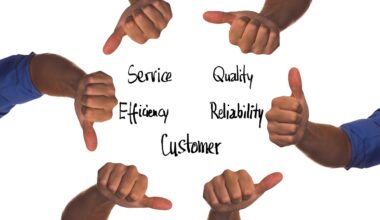

Evaluating Customer Loyalty Programs Amid Price Modifications
Price changes can significantly impact customer loyalty, often creating uncertainty in consumer behavior. In this context, businesses must assess their pricing strategies judiciously. A strategic price adjustment can either bolster or hinder customer relationships. Understanding how customers perceive value is crucial, as price increases may lead to decreased satisfaction. However, if companies maintain transparency and communicate the reasons behind price changes, loyal customers may be more accepting. Additionally, businesses can introduce loyalty programs that reward staying loyal even amidst fluctuations. This strengthens the relationship and may mitigate negative reactions to price hikes. Surveys indicate a direct correlation between customer loyalty and reward structures. Here are effective strategies:
- Focus on transparency in pricing.
- Emphasize the benefits of loyalty programs.
- Engage customers with personalized communication.
By utilizing such approaches, businesses can cultivate loyalty, turning a potentially detrimental price change into an opportunity for engagement and retention. Navigating price adjustments requires careful consideration, ensuring that customer loyalty remains intact while maintaining profitability.
Understanding customer loyalty is integral to a brand’s long-term success. As prices fluctuate, customers tend to reassess their brand affinities. Price increases can lead to decreased engagement if not addressed properly. Consequently, it’s essential for businesses to measure the effects of price changes on their customer base. One critical aspect is monitoring customer sentiments before and after price adjustments. By gathering insights through surveys or focus groups, companies can identify potential churn and areas needing improvement. Key indicators of loyalty may include:
- Repeat purchase rates.
- Customer satisfaction and feedback.
- Engagement levels with loyalty programs.
Moreover, providing incentives either through discounts or enhanced loyalty rewards can strengthen the customer relationship during difficult transitions. Brands that successfully communicate the value of their offerings, even post-price rise, are more likely to retain existing customers. Effective communication strategies might include emails or targeted promotions to reaffirm the customer’s choice, reinforcing trust in the brand. Ultimately, the objective remains to balance profitability with customer satisfaction, ensuring a loyal clientele even amidst necessary price modifications.
The Role of Communication in Price Changes
Effective communication is vital during price changes to maintain customer loyalty and trust. Clear messaging allows customers to understand the rationale behind any adjustments, fostering goodwill. Marketers must articulate the value improvements justifying price increases. If customers believe they are receiving superior value, they are less likely to react negatively to price changes. Additionally, leveraging multiple communication channels enhances reach and effectiveness; social media, emails, and direct mail can relay crucial updates to stakeholders. This multi-faceted approach ensures that customers receive information promptly, minimizing any confusion. Honest messaging should cover various aspects, including:
- Reasons for price changes.
- Benefits customers will continue to receive.
- Commitment to quality service.
Moreover, combining interpersonal channels with digital platforms heightens engagement opportunities. Personalizing messages demonstrates respect for individual customers and encourages loyalty. Brands should frame messages positively, promoting ongoing value. Furthermore, consistently reinforcing loyalty programs can offset negative responses to pricing. By implementing these strategies, brands can ease customer concerns related to price hikes, preserving valuable relationships. Remember that communication is not just about the change itself but about maintaining trust.
Loyalty programs play an essential part in retaining customers, particularly during times of price changes. By offering structured rewards and incentives, businesses can enhance customer engagement even when prices fluctuate. Programs that center around meaningful engagements allow customers to feel valued despite potential dissatisfaction stemming from price increases. It’s not just about maintaining customer loyalty but deepening it through enriched experiences. Companies should offer tier-based loyalty programs, ensuring that customers feel appreciated at all levels. Key features of successful programs include:
- Earning points based on purchases.
- Exclusive member discounts and promotions.
- Personalized offers based on shopping behavior.
Implementing a robust loyalty program encourages customers to maintain their relationship with the brand, creating a win-win scenario even if prices shift. Furthermore, acknowledging and celebrating milestones, like anniversaries or birthdays, increases emotional ties, leading to better retention rates. By focusing on delivering exceptional value, brands can become more resilient to price sensitivities. With well-designed loyalty initiatives, businesses not only retain but also increase customer lifetime value efficiently, even in turbulent financial waters.
Analyzing Customer Feedback Post Price Changes
Once price changes are initiated, analyzing customer feedback becomes critical for brands. Understanding consumer sentiment gives insights into how price alterations impact loyalty. Customer surveys and reviews provide valuable data. Companies gain insights that help shape future strategies and reveal loyalty trends. Inviting feedback directly through various channels ensures that businesses capture responses effectively. In particular, questions should target the price change’s impact, focusing on specific areas like:
- Purchase intent post-change.
- Overall satisfaction with the brand.
- Likelihood of recommending the brand.
These targeted queries yield actionable insights. Gathering and analyzing this data enables brands to make informed decisions moving forward. The importance of responding to feedback cannot be overstated, as it demonstrates commitment to customer opinions. Brands that act on insights can adjust their strategies, offering targeted solutions. Furthermore, consistently checking in with customers builds trust, reinforcing loyalty. Stakeholder engagements can also help brands explore solution pathways. This ongoing dialogue emphasizes a commitment to community, especially when economic conditions fluctuate. Adapting promptly sets brands apart, illustrating responsiveness to customer needs and preferences.
Another critical factor in maintaining customer loyalty during price fluctuations is understanding customer demographics. Different segments respond uniquely to pricing changes based on their values and expectations. Millennial and Gen Z shoppers, for instance, may be more price-sensitive compared to older consumers. Thus, marketing strategies should reflect these differences to optimize customer retention. Tailoring loyalty programs to specific demographics enhances effectiveness. For example, offering eco-friendly product options could resonate deeply with environmentally conscious buyers. Identifying and analyzing segments leads to improved personalization within programs. Elements such as:
- Targeted rewards based on age group.
- Customized communication styles and channels.
- Exclusive experiences or promotions tailored to the segment.
Businesses that implement demographic insights into their pricing communication strategies can result in greater acceptance of price changes. Engaging customers on a personal level fosters loyalty, encouraging them to stick with the brand during challenging times. Adapting programs and strategies to align with demographic needs promotes sustained engagement, enhancing relationships. Brands that embrace consumer diversity showcase their commitment to servicing broader communities, further solidifying loyalty.
Conclusion: Integrating Strategies for Enhanced Loyalty
In conclusion, navigating price changes without losing customer loyalty involves integrating multiple strategies that are customer-centric. Companies must prioritize communication, emphasizing transparency and clarity about pricing adjustments. Active listening to customer feedback proves invaluable in refining loyalty initiatives further. Enterprises that embrace the versatile needs of their customer base can foster deeper connections. Adapting loyalty programs to reflect demographics illustrates attentiveness to consumer expectations, enhancing loyalty. Additionally, it is crucial to implement exceptional value propositions while focusing on transparency. These components create a supportive environment that nurtures customer trust amidst necessary price modifications. By recognizing the deep associations customers possess with brands, companies can effectively counterbalance potential negativity associated with price changes. Tracking customer behavior can ensure the sensitivity towards pricing is addressed directly, leading to improved retention strategies. With these integrated approaches, businesses can not only survive price changes but thrive as platforms for customer engagement. Ultimately, evaluating customer loyalty programs becomes an ongoing process, requiring continual refinement for effectiveness. By embracing a comprehensive strategy, brands can flourish during both stable and challenging market conditions, securing devoted customer bases.
As the landscape of consumer behavior shifts, integrating feedback loops and analyzing customer interactions becomes paramount. Brands can discover innovative ways to elevate their loyalty offerings, ensuring they remain relevant and appealing to their customer base. Making data-driven decisions will showcase how price changes resonate within the market. Being flexible in strategy adjustments based on customer feedback can lead to enhanced loyalty programs. Therefore, it is imperative that organizations foster a culture of adaptability and responsiveness, demonstrating appreciation for their customers’ voices. By doing so, they will cultivate invaluable customer relationships that stand the test of time amidst price changes.