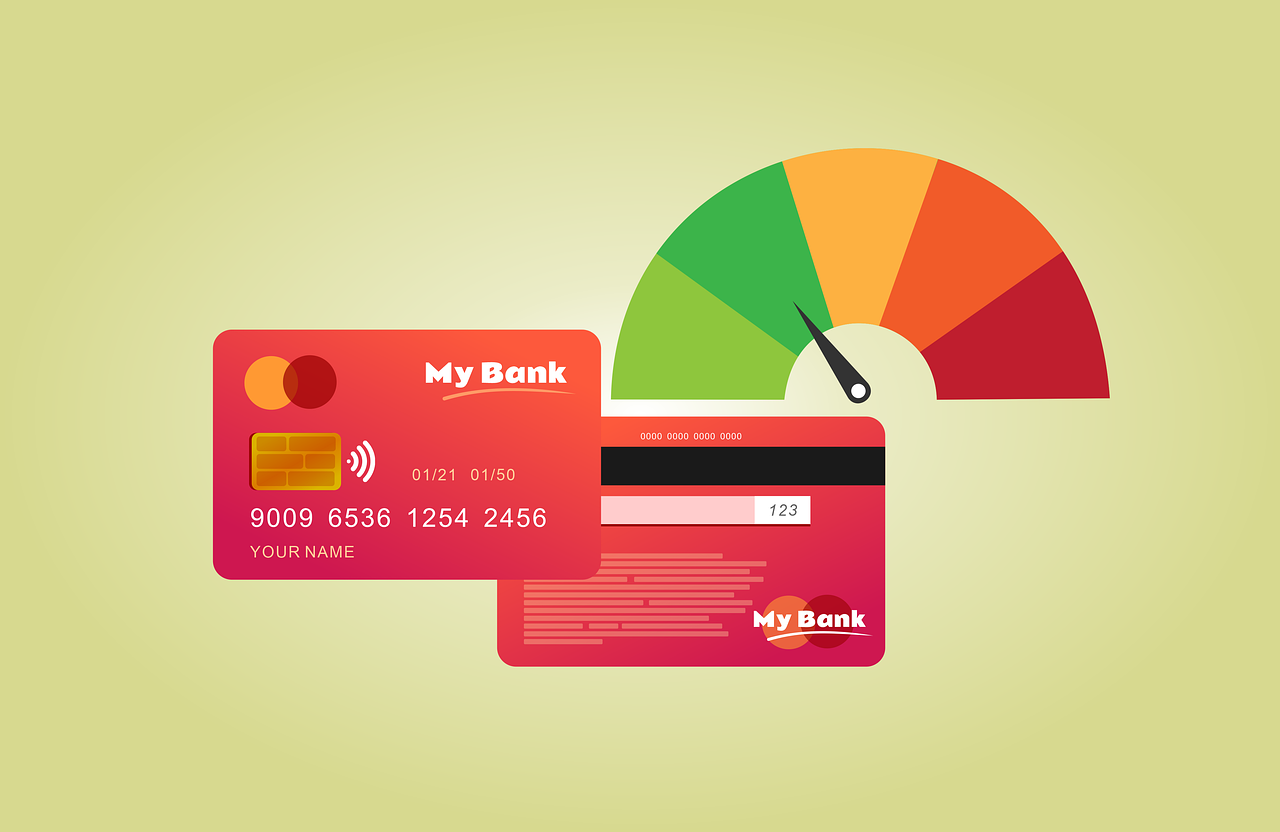

The Role of Credit Scoring Models in Banking Risk Assessment
In modern banking, effective credit risk assessment is paramount for financial institutions striving for sustainability and growth. Credit scoring models play a critical role in determining the likelihood of a borrower defaulting on a loan. These models analyze various factors, including credit history, income levels, and debt-to-income ratios, to assess risk accurately. Banks leverage these scores to make informed lending decisions. A robust credit score is essential for potential borrowers, as it influences not only their application approval but also the loan terms and interest rates offered. The integration of technology into these scoring systems helps institutions refine their risk assessments. Algorithms process large datasets that yield faster, more accurate insights into borrower behavior. Consequently, banks can tailor their risk management strategies effectively, ensuring they remain competitive in a challenging market. Furthermore, as the economic landscape shifts, so do the methods for evaluating creditworthiness. Continuous updates to scoring models are necessary to accommodate changing credit patterns, ensuring they reflect current risks accurately. This adaptability ultimately protects banks from substantial losses by bolstering sound decision-making processes.
Understanding Credit Scoring Systems
Credit scoring systems categorize borrowers based on their creditworthiness, employing a mix of quantitative and qualitative data. Typically, the scoring range varies, with FICO and VantageScore being the most prominent examples utilized by lenders. Each model employs different algorithms to factor in aspects such as payment history, credit utilization, and length of credit accounts. Lenders often assess these scores to determine the risk associated with extending credit to applicants. Low scores may signal heightened risk, leading banks to deny loan requests or impose restrictive terms. Conversely, higher scores enhance an applicant’s chances of securing favorable rates. As borrowing behavior evolves, the need for dynamic credit scoring methods becomes clear. Policymakers and financial institutions are increasingly pushing for more inclusive models that account for additional data, such as rent or utility payment histories. Such innovations can benefit underbanked demographics, providing them opportunities to access credit. By diversifying the data points included in scoring systems, banks can better serve a wider range of customers. Ultimately, these changes could promote financial inclusion while still maintaining robust risk assessment frameworks for lenders.
The historical development of credit scoring models reveals a significant evolution in risk assessment methods. Initially, lenders relied on personal relationships and subjective assessments to determine creditworthiness. This often led to inconsistencies and biases in lending decisions. The introduction of statistical models in the 1950s marked a turning point, as banks began employing numerical scores to quantify risk objectively. As technology advanced, these models became increasingly sophisticated, utilizing machine learning and artificial intelligence to enhance predictive accuracy. Today’s credit scoring models incorporate vast amounts of consumer behavior data, allowing financial institutions to understand risk on a deeper level. However, the reliance on these models also raises critical concerns regarding privacy and data security. As banks collect more information to feed into their algorithms, safeguarding customer data becomes crucial. Additionally, regulatory bodies must ensure that these models do not inadvertently perpetuate discrimination. Striking a balance between leveraging data for more precise risk assessments while protecting consumer rights is essential. Therefore, ongoing dialogue between financial institutions, regulators, and stakeholders remains vital as the industry navigates this complex landscape.
Challenges and Limitations of Scoring Models
Despite their utility, credit scoring models are not without challenges and limitations. A major concern is that they may not adequately reflect the financial situation of certain segments of the population, particularly those with limited credit histories. For example, there are many young adults and newly immigranted individuals who may not have established credit scores yet. Traditional scoring models often overlook these groups, denying them access to credit and financial opportunities. Additionally, reliance on outdated or biased data can skew risk assessments, leading to flawed lending decisions. Consequently, some banks may deny loans based on erroneous assumptions rather than an accurate representation of an applicant’s repayment ability. Moreover, as economic conditions fluctuate, the scoring models must adapt accordingly; static models can quickly become irrelevant as they fail to capture evolving risks. Raising awareness about these shortcomings is vital for stakeholders aiming to implement more inclusive financial practices. To address these issues, banks need to invest in innovative scoring methodologies that harness alternative data sources, hoping to provide a fairer evaluation of borrowers without compromising risk management standards.
To mitigate the challenges associated with traditional credit scoring, several innovative practices are being explored within the banking sector. One prominent example is the use of alternative data in credit assessments. This involves analyzing data outside conventional parameters, such as social media activity or online payment behaviors. These additional data points can help provide a more comprehensive view of an individual’s financial reliability, especially for those with little or no credit history. Implementing machine learning algorithms further enhances the accuracy of credit assessments by recognizing patterns that human analysts may overlook. Additionally, many financial institutions are adopting models that incorporate real-time data insights, allowing them to react swiftly to changing borrower circumstances. This responsiveness ensures that credit assessments remain relevant and reflective of an applicant’s current situation. Moreover, collaborative efforts between banks and fintech companies are fostering innovative solutions that leverage technology to improve the credit evaluation process. By embracing these advancements, banks stand to enhance their risk assessment capabilities, enabling them to extend credit to a broader segment of the population while safeguarding their financial interests. This forward-thinking approach is essential for sustainable lending practices.
Future Trends in Credit Scoring
As the landscape of credit scoring continues to evolve, several key trends are anticipated to shape the future of risk assessment in banking. One of the most promising developments is the increased use of artificial intelligence and machine learning technologies. These tools enable financial institutions to analyze vast datasets quickly, uncovering insights that enhance predictive modeling. By employing advanced analytics, banks can adapt their lending criteria to reflect real-time market conditions, thereby improving their risk evaluation processes. Another trend is a growing focus on consumer consent and transparency, driven by regulatory scrutiny. Consumers are becoming increasingly aware of how their credit scores influence their financial futures. As a result, banks must prioritize educating customers about their credit scores, its calculation process, and the factors that influence them. Additionally, the movement towards financial inclusion will likely gain momentum, with many banks seeking to address the needs of underbanked individuals by utilizing alternative data sources. This shift represents a vital step toward providing equitable access to credit and fostering economic mobility across different demographics, ultimately benefiting both borrowers and lenders.
The integration of ethical considerations into credit scoring practices marks a significant trend that reflects growing demand for social responsibility in banking. Public sentiment is increasingly favoring transparency in decision-making processes, urging banks to ensure that their scoring models uphold fairness and equity. Implementation of ethical frameworks can help mitigate biases that may unintentionally emanate from historic data or flawed algorithms. By establishing clear guidelines governing model usage and data collection, banks can reassure consumers and make them feel valued throughout their financial journeys. Furthermore, the dialogue surrounding ethical credit scoring often intersects with discussions surrounding consumer education. Providing consumers with easily digestible information, guidance on improving their credit scores, and avenues to challenge inaccuracies fosters an environment of trust between banks and borrowers. Emphasizing ethical practices not only enhances customer loyalty but can also serve as a competitive advantage within the financial landscape. In conclusion, as the banking sector continues to evolve in response to technological changes, the principles of ethics, fairness, and inclusivity will undoubtedly play a pivotal role in establishing sustainable credit management practices.