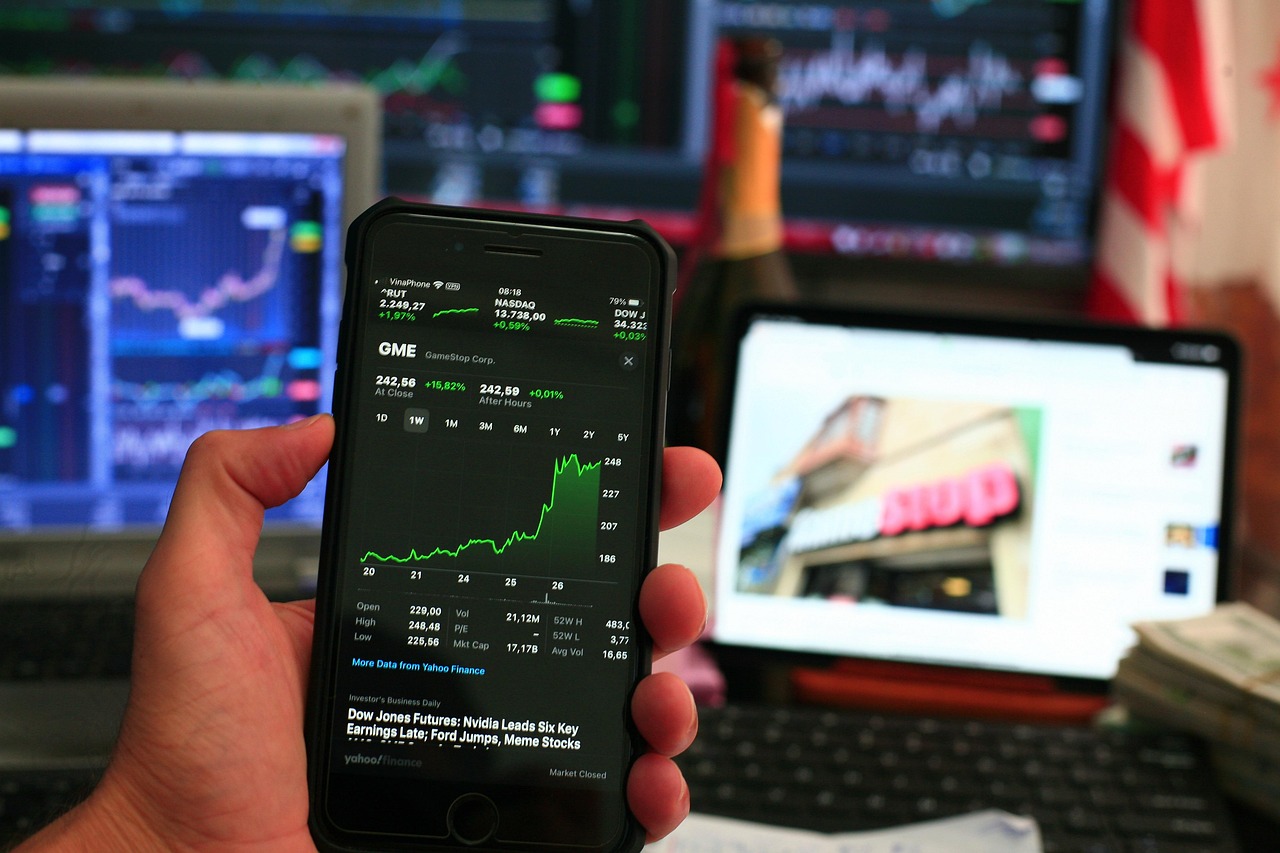

Noise Trading and Behavioral Finance: Explaining Market Inefficiencies
Behavioral finance is increasingly recognized as a critical framework that explains various market anomalies. One of the key concepts within this field is that of noise trading. Noise traders, unlike traditional rational investors, are influenced by psychological factors and can lead to market distortions. They contribute to price fluctuations that are not justified by fundamental values, resulting in inefficiencies in the market. As they engage in trading based on emotions, biases, and heuristics, their actions can create trends that deviate from the expected market behavior. Traditional finance theory assumes that all market participants act rationally, which does not always align with real-world trading activities. Consequently, understanding noise trading provides insights on why and how market anomalies occur. This article will delve deeper into noise trading and illustrate its impact on behavioral finance and market inefficiencies. Moreover, it will shed light on the implications of these market imperfections for investors and financial professionals, highlighting the necessity for a comprehensive approach that incorporates both rational and behavioral perspectives in market analysis.
The Role of Noise Traders
Noise traders play a pivotal role in market dynamics, accounting for a significant portion of trading volumes. Their activities often reflect irrational behavior, fueled by emotions such as fear and greed. This irrationality stands in stark contrast to the motivations of informed or rational investors who base their decisions on available data and analyses. Since noise traders react to market sentiment, news, or social media trends rather than fundamental values, they introduce an element of randomness into the market. This randomness can lead to unpredictable price movements and create opportunities for arbitrage by informed traders. As noise trading increases, so too does the volatility of markets, which can either exacerbate existing anomalies or create new ones. Consequently, a better understanding of the behaviors exhibited by noise traders can assist investors in navigating potential market inefficiencies. By recognizing the potential impacts of noise trading, investors can design strategies that shield their portfolios from the adverse effects of behavioral biases. Hence, understanding the role of noise traders is essential for better market foresight and improved decision-making.
The consequences of noise trading extend beyond simple price volatility; they can also influence long-term value creation in the market. For instance, when noise traders predominantly drive asset prices, they often lead to bubbles and subsequent crashes. This phenomenon reflects the disconnect between market prices and intrinsic values, illuminating the challenges that arise from irrational trading behavior. Additionally, noise traders may also engage in herd behavior, causing asset prices to deviate from fundamental valuations due to collective sentiment. This herd mentality can result in a rush to buy or sell, exacerbating market swings and leading to significant inefficiencies. Investors who are aware of these dynamics can position themselves strategically by taking advantage of the price discrepancies generated by noise traders. Understanding the implications of excessive noise trading, therefore, becomes essential for identifying potential investment opportunities. Moreover, it allows for constructing robust risk management strategies that can mitigate the negative impacts of behavioral biases on portfolio performance. An awareness of noise trading can ultimately enhance the decision-making process within the broader context of behavioral finance.
Market Inefficiencies and Investor Behavior
Market inefficiencies offer unique challenges and opportunities for investors, often stemming from noise trading and uninformed decision-making. These inefficiencies can manifest through various market anomalies, such as post-earnings announcement drift and momentum effects. Behavioral biases, including overconfidence and loss aversion, can further entrench these inefficiencies, causing investors to deviate from rational investment strategies. For example, overconfident investors may overestimate their ability to predict market movements and consequently take on excessive risk. In contrast, loss-averse investors typically sell winning assets prematurely while holding onto losing investments. Such behavior perpetuates cycles of inefficiencies that can skew market outcomes. An understanding of how noise trading contributes to these market anomalies is crucial for investors aiming to harness behavioral finance in their strategies. By recognizing the interconnectedness of noise trading and behavioral biases, investors can better equip themselves to navigate the complexities of market inefficiencies. Ultimately, this awareness can result in more informed trading decisions and optimal portfolio management practices, which strive to mitigate the adverse impacts of irrational behavior in financial markets.
Market anomalies such as the January effect or the overreaction hypothesis exemplify the tension between traditional finance and behavioral finance theories. These anomalies challenge the Efficient Market Hypothesis (EMH), which posits that all available information is reflected in asset prices. In reality, the presence of noise traders disrupts this equilibrium, creating situations where prices can diverge significantly from their true values. Behavioral finance recognizes that human emotions and cognitive limitations can lead to systematic mispricing in financial markets. Consequently, many investors are actively exploring the implications of these anomalies, seeking to develop strategies that capitalize on predictable patterns linked to noise trading. Positioning oneself correctly in response to these market anomalies can result in realized gains, as savvy investors exploit inefficiencies by trading against predominant market sentiments or trends. Additionally, integrating behavioral finance insights into traditional valuation approaches enhances an investor’s ability to identify mispriced assets and unearth potential opportunities. Ultimately, navigating market anomalies requires a more nuanced understanding of both rational and irrational behaviors among market participants.
Strategies for Investors
In light of the effects of noise trading and market inefficiencies, investors can adopt several strategies that leverage behavioral finance insights. One effective approach involves contrarian investing, where investors take positions that oppose prevailing market sentiment. By recognizing that noise traders often overreact to news or trends, contrarian investors can capitalize on mispriced assets when they are underappreciated or overhyped. Utilizing quantitative tools to analyze historical price trends and behavioral patterns can also be valuable in identifying anomalies. Furthermore, maintaining a diversified portfolio can help mitigate risk associated with irrational price swings caused by noise trading. Investors may also benefit from continuous education on behavioral biases that can skew judgment, enabling them to make more informed decisions. While noise trading introduces complexities into market dynamics, it also presents opportunities for those who are willing to embrace these insights. By applying behavioral finance principles to their investment strategies, investors can enhance their ability to identify value and reduce exposure to irrational market behavior. Such strategies may ultimately lead to improved financial outcomes and greater portfolio stability.
As we explore the intricate relationship between noise trading and behavioral finance, it is imperative to consider their implications for regulatory measures. Regulatory agencies often seek to ensure market integrity, maintain fair pricing, and protect investors from potential market manipulation. However, the influence of noise traders can complicate these efforts, as their unpredictable behaviors can create challenges for regulators in developing effective monitoring systems. As behavioral finance continues to gain prominence, regulators may need to adapt their frameworks to account for the psychological factors influencing trading decisions. Encouraging best practices, fostering a culture of transparency, and promoting financial literacy can empower investors to make sound choices in the face of noise trading. Ultimately, collaboration among regulators, investors, and financial professionals is vital to developing strategies that preserve market stability and minimize the impact of behavioral biases. As understanding of noise trading evolves, there is potential for more resilient and efficient financial markets that function in a manner that is cognizant of behavioral influences. This dynamic interplay presents both challenges and opportunities for the future of finance.
Conclusion
In conclusion, noise trading is a central theme within the realm of behavioral finance, offering valuable insights into market inefficiencies. By acknowledging the impacts of both psychological factors and irrational behaviors, investors can better navigate the complexities of financial markets. Noise traders contribute to price distortions and anomalies, underscoring the necessity for a multifaceted approach in investment strategies. Investors who harness the lessons of behavioral finance can thrive even amidst market inefficiencies, recognizing the potential for both risks and opportunities. Properly understanding noise trading dynamics not only leads to improved financial decision-making but also enhances risk management strategies within portfolios. As the field of behavioral finance continues to evolve, it holds the key to unlocking new perspectives in investment approaches. By synthesizing rational analyses with insights gained from behavioral patterns, market participants can achieve greater success in their financial endeavors. The journey towards a comprehensive understanding of noise trading and its implications promises to reshape the landscape of investing for years to come.