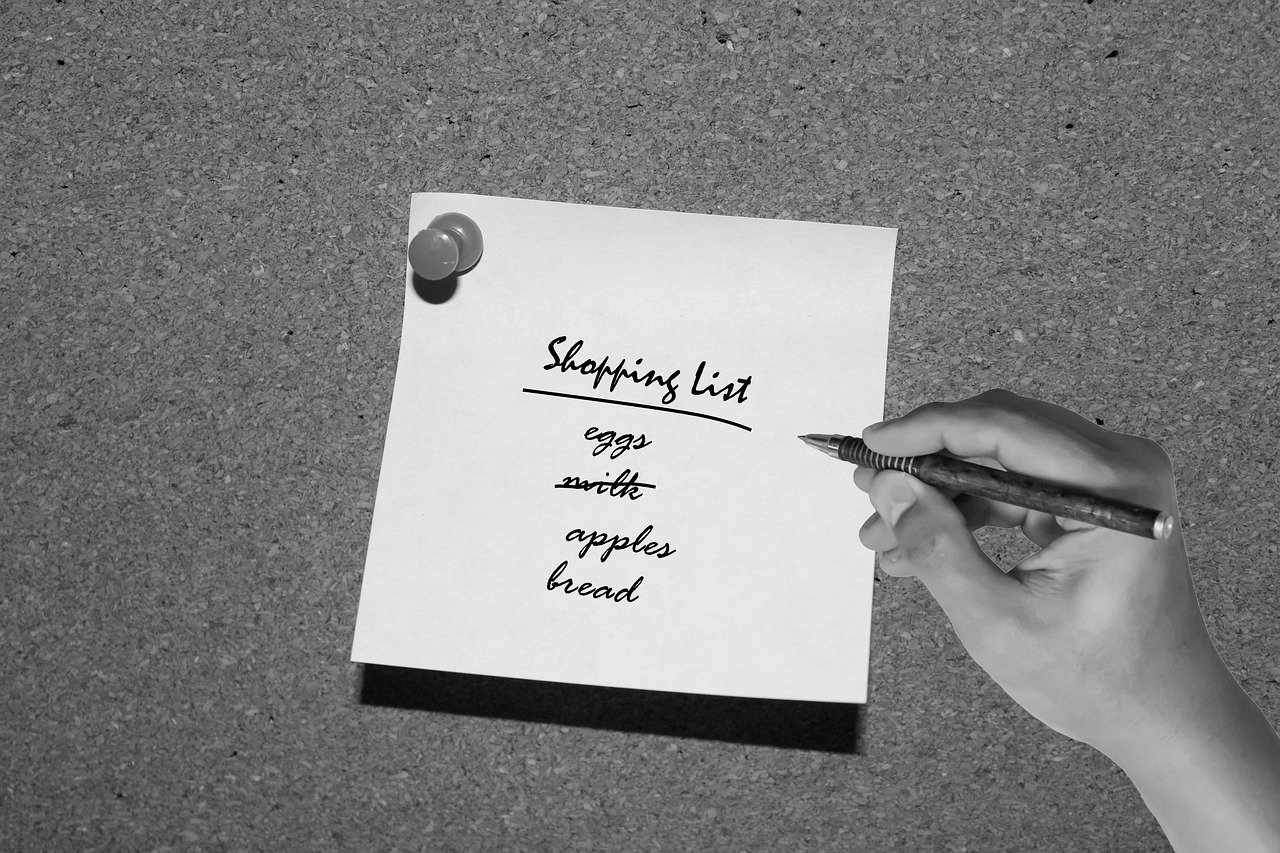

How to Create a Budget-Friendly Grocery List
Creating a budget-friendly grocery list is essential for anyone wanting to save money and eat healthily. To start, assess your current financial situation and determine how much you can realistically allocate to groceries each week. Next, conduct an inventory of the items you already have in your pantry and fridge. This will prevent you from purchasing unnecessary duplicates, thus saving money. A great way to form a list is to plan meals for the week; this helps ensure you buy only what you need. Pay attention to sales and promotional offers at local grocery stores, as these can significantly reduce costs. Another tactic is to avoid shopping while hungry—this can lead to impulse purchases. Consider incorporating seasonal produce into your meals as they are usually cheaper and fresher. Use coupons strategically, but ensure the items you buy are things you would use regardless of the coupon. Finally, use a dedicated grocery list template or app. Following these tips will help create a smart shopping list that meets your budget constraints effectively. Taking the time to prepare your list can reap long-term financial benefits that strengthen your overall budgeting goals.
To maximize savings, focus on purchasing staples that provide excellent nutritional value. Nutrient-dense items such as beans, rice, and whole grains should form the backbone of your grocery list. Not only are they affordable, but they also provide plenty of meal options. When shopping for protein, look for budget-friendly sources like eggs, canned tuna, or chickpeas. Adopting a flexible mindset with meal ideas can lead to discovering new and affordable dishes. Always check the unit price of items, as larger quantities might cost less overall, saving money in the long run. Implementing a “no waste” approach by utilizing leftovers in your upcoming meals ensures every dollar spent translates into nourishment. Additionally, exploring local farmers’ markets can lead to significant savings as prices can be lower, and fresh produce is often available. If convenience is essential, consider creating a plan that includes shopping from discount grocery stores or warehouse clubs that may offer bulk options without a premium price. Building a list with these strategies minimizes unnecessary spending while maximizing healthiness of food choices. Such practices reflect frugal living to help you meet goals and eat well while remaining financially responsible.
Organize Your Grocery List
An organized grocery list can streamline your shopping experience and keep extra costs at bay. To achieve this, categorize the list by different sections of the store: produce, dairy, grains, protein, and other staples. This method allows you to move through the store efficiently and reduce the likelihood of forgetting needed items. Stick to the list while shopping, as even small unplanned purchases can accumulate expenses quickly. Utilize your grocery store’s layout to structure your list effectively. Note that aisles often have similar products together; this organization can lend itself to a quicker trip. If you include items in their general order of appearance in the store, you will not backtrack and waste time. Consider incorporating store-specific deals and promotions into your list, which can help you save even more money. Staying disciplined about your plan means grocery runs become predictable and manageable. Also, don’t hesitate to review previous lists or receipts to analyze past spending habits and identify areas for improvement. An organized approach can transform mundane grocery trips into strategic opportunities to save and stay on a budget.
Taking advantage of technology is another effective way to enhance your budget-friendly grocery list. Various apps allow you to store lists, compare prices, and even find coupons automatically. Some mobile applications enable scanning of items to gauge pricing from different stores, which can lead to smarter choices. Link any loyalty programs you have to the app as well. This can provide extra discounts while tracking expenses. Another beneficial practice is collaborating with a friend or family member. Sharing a grocery list fosters accountability and opens doors for buying in bulk, reducing individual expenses even more. Additionally, participating in community-supported agriculture (CSA) programs can help procure fresh, local produce at competitive prices while supporting local farmers. The more you engage with various strategies and tools, the better you become equipped in creating a cost-effective grocery list. Make sure to keep your list updated actively so variations in family needs or dietary preferences are reflected accordingly. Connecting technology with responsible budgeting practices makes grocery shopping more manageable and efficient while keeping your overall spending in check.
Mindful Spending in Grocery Shopping
Practicing mindful spending acts as a powerful tool in managing your grocery budget and creating a sustainable grocery list. Start by asking yourself questions like, “Do I really need this?” or “How will this fit into my meal plan?” This approach encourages focus on essentials rather than impulsive buys. Implementing a shopping schedule can also aid in controlling spending; try to restrict outings to once a week to avoid temptation. Another helpful consideration is identifying store brands or generic products that may offer the same quality as name brands but at lower prices. Also, explore coupons for items already on your list to reduce overall spending without compromising quality. Importantly, prepare yourself mentally for potentially overwhelming shopping experiences—especially during sales or stock clearance events. Setting a clear shopping goal will enable you to stay focused. Never be afraid to ask store personnel for the best times to shop when discounts are prevalent. Don’t forget about tracking your spending; this can illuminate spending patterns over time, helping you adjust to a smaller budget without losing your shopping effectiveness. Being mindful can positively influence overall grocery budgeting, supporting financial wellness.
As you refine your budgeting strategy for grocery shopping, evaluate your success regularly. Take time each month to review how well you adhered to your budget and whether adjustments are necessary. This could involve assessing your spending habits and contemplating any impulsive purchases that occurred during your shopping trips. Keeping track of your grocery expenses can yield valuable insights and reveal which strategies are most effective. If certain areas result in more overspending than anticipated, it may require more planning or different choices in product selections. You may consider having distinct budgeting categories, such as produce, protein, or snacks, to maintain control. This effort allows for further transparency in your grocery budget management. Create a spreadsheet or simply jot down monthly totals to identify trends easily. As your needs or lifestyle shifts over time, adjust your grocery strategies accordingly. Periodic evaluations can bolster accountability and ultimately lead to improved budgeting outcomes while ensuring dietary needs are sufficiently met. It’s never too late to fine-tune your approach to grocery budgeting as part of a broader commitment to frugal living and financial responsibility.
Final Thoughts on Budgeting for Groceries
Creating a budget-friendly grocery list encompasses more than just numbers; it’s about making conscious choices that prioritize health and savings. Embrace creativity in meal planning and cooking to maximize ingredients while minimizing waste. By engaging with these principles naturally, you establish a lifestyle that welcomes frugal living without sacrificing quality. Remain adaptable and open to altering plans based on available deals and current food offerings. Share tips with friends and family, creating a supportive environment that cultivates healthy habits collectively. Lastly, remember that every small change can lead to significant savings over time. While grocery shopping may sometimes feel overwhelming, consistent application of these budgeting tips transforms it into a structured, enjoyable experience. Over time, you’ll likely see improvements not only in your financial health but also in your culinary repertoire as you experiment with new ingredients and dishes. Engage the budgeting journey with enthusiasm, approaching each grocery trip with a mindset that prioritizes both productivity and creativity to enhance your overall frugality. The journey begins with a plan, but the real reward lies in the lifestyle you create through disciplined budgeting and mindful consumption.