
Using QR Codes Effectively in Mobile Payment Marketing
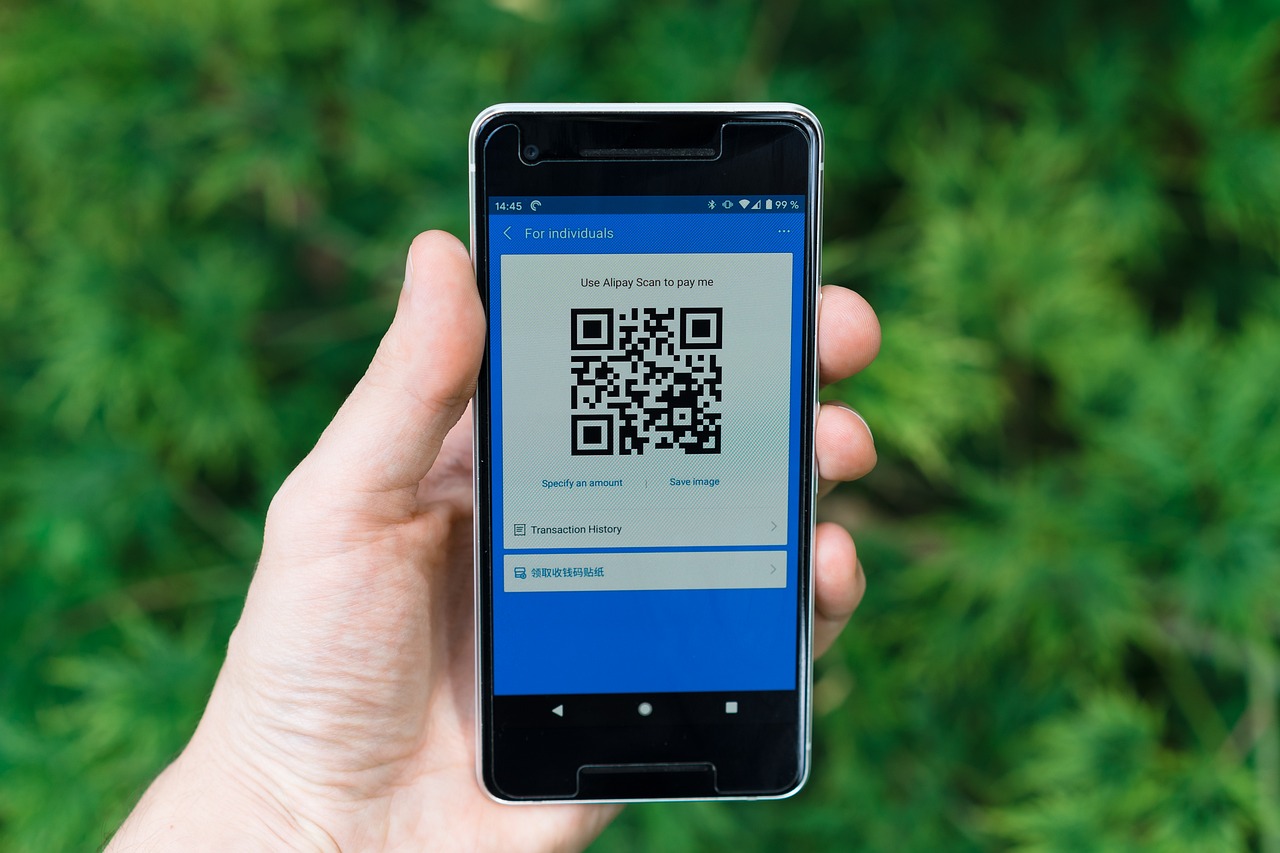
QR codes have transformed the landscape of mobile payment marketing. They provide a simple and efficient way for consumers to make payments through their smartphones. Using a QR code, customers can scan the code with their camera, linking them directly to a payment platform. This seamless process encourages higher transaction rates. Retailers can enhance user experience by integrating QR codes at physical store locations, on websites, and within promotional materials. Strategically placed QR codes can boost customer engagement and facilitate instant transactions. Furthermore, businesses can install QR codes for loyalty programs, allowing customers to earn points seamlessly. These codes can also streamline purchasing processes and reduce checkout times, significantly improving customer satisfaction. However, businesses must ensure that these QR codes direct consumers to a secure payment platform. Incorporating QR codes can result in decreased operational costs. Store owners can reduce reliance on traditional point-of-sale systems, as mobile payment options allow buyers to enjoy a more versatile purchasing method. Furthermore, QR codes can be tailored to reflect branding, enhancing visibility and brand recognition. The potential in mobile payment marketing through QR codes is immense, providing value for both businesses and customers alike.
Consumer awareness and education play crucial roles in the effectiveness of QR codes. It’s essential for businesses to inform their customers about how to use these codes for payments. Utilizing social media platforms, email marketing, and in-store signage can drive awareness of QR code payment options. Visual demonstrations and engaging content can help bridge the knowledge gap. Businesses can create video tutorials explaining QR code usage, ensuring customers feel confident using this technology. Furthermore, offering a small incentive for customers to try QR payments could effectively encourage adoption. Incentives could include discounts, freebies, or loyalty points, making the transaction experience more appealing. Another critical aspect is safety and security; consumers must trust that their payment information is handled responsibly. This can be achieved by ensuring that QR codes link to trusted payment processors and providing information about security measures. Customer reviews and testimonials can help build this trust. Keeping communication channels open for customer inquiries may also foster confidence. In the ever-evolving mobile payment landscape, educating customers about QR codes and their benefits can significantly influence their purchase decisions and embrace this innovative payment method.
Optimizing QR Code Placement
Effective placement of QR codes is vital for maximizing their impact in mobile payment marketing. Consider strategic locations to capture consumers’ attention and encourage usage. High-traffic areas, prominent displays, and interactive kiosks can attract potential customers. Placing QR codes on product packaging or promotional flyers can enhance discoverability, leading to increased engagement. Additionally, businesses should consider the accessibility of QR codes. Ensure that the codes are large enough for easy scanning, even from a distance. Furthermore, integrating QR codes within user-friendly mobile applications can streamline the payment experience. A unique design can make QR codes visually appealing, aligning them with brand aesthetics and increasing their effectiveness. Another approach is to incorporate QR codes into advertisements or promotional campaigns, making it easier for customers to access offers directly. This can also include utilizing platforms like social media to share QR codes, expanding the reach to potential customers. The effectiveness of QR codes improves significantly when placed strategically. Reviewing analytics on QR code scans and conversions will provide valuable insights that can refine future marketing efforts.
Integrating QR codes with customer loyalty programs enhances engagement and boosts retention rates. Customers appreciate programs that reward their loyalty and simplify the process. By incorporating QR codes, businesses can offer an efficient way for customers to track their points and redeem rewards. This digital method can eliminate unnecessary paperwork, creating a more streamlined experience. QR codes provide businesses with valuable data insights, allowing them to analyze purchasing behavior and preferences. This data can help tailor marketing strategies, ultimately increasing engagement. Moreover, customizing loyalty programs with QR codes fosters a sense of exclusivity for members. Personalized offers sent via notifications when scanning codes can stimulate further spending. Incorporating refreshing gamification elements through QR codes can add excitement to loyalty programs. Customers may engage further when there are rewards for specific actions like referrals. Additionally, easy-to-access QR codes can encourage social sharing, enhancing brand visibility. Through this connection, businesses can form lasting relationships with their customers. Consequently, integrating QR codes within loyalty frameworks can yield improved customer interactions and increased sales.
Measuring QR Code Effectiveness
To ensure success, measuring the effectiveness of QR codes in mobile payment marketing is essential. Businesses should utilize analytics tools to track performance metrics. Metrics such as scan rates, conversion rates, and time spent on linked pages can provide insights into consumer engagement. Tracking the context surrounding scans, whether online or in-store, can also help determine the most effective placements. Regularly evaluating these metrics allows businesses to identify trends and patterns that inform future marketing strategies. A/B testing different designs, placements, and promotional offers through QR codes can yield valuable data, enhancing future campaigns. Customer feedback can further enrich assessment efforts, providing insights into user experiences and attitudes. Gathering data through surveys can assist in understanding factors driving or hindering QR code adoption among customers. Fostering a responsive marketing strategy helps align QR code initiatives with consumer preferences effectively. This continuous assessment process helps businesses unlock their mobile payment marketing potential and refine their use of QR codes. Ultimately, measuring performance establishes a strong foundation for leveraging mobile payment technologies in conjunction with evolving market demands.
As the mobile payment industry evolves, the potential applications of QR codes are expanding. Innovative businesses are finding new ways to leverage QR codes, integrating them into various marketing strategies. For instance, events and promotions can employ QR codes for ticket purchases, making entry seamless and contactless. This strategy is especially beneficial in an increasingly health-conscious world. Furthermore, QR codes on digital platforms such as emails or social media can drive online sales and bolster eCommerce activities. Associating QR codes with social media platforms could encourage curious customers to learn more about brands. Additionally, display advertising can utilize QR codes to redirect potential customers straight to a brand’s website or product page. Collaborating with influencers and posting QR codes in their content can amplify reach and attract new customers. Even remote transactions can benefit from QR codes by integrating them into delivery services. Through the integration of QR codes, brands are better positioned to adapt to shifting consumer preferences while remaining competitive. Businesses must continue exploring fresh and dynamic strategies involving QR codes to engage their audiences and elevate their mobile payment marketing approaches.
Future Trends in QR Code Utilization
Looking ahead, several trends may shape the future of QR code utilization in mobile payment marketing. Increasingly, contactless payment methods are becoming the norm, signifying a shift in consumer preferences. Businesses might further innovate by combining QR codes with augmented reality (AR) to create immersive experiences. For example, scanning a QR code could lead customers to a dynamic AR experience showcasing products in unique ways. Additionally, gamification through QR codes is likely to gain traction as brands seek methods to engage consumers more entertainingly. Another trend worth noting is the enhancement of security measures related to QR codes, ensuring customer data is protected during transactions. As awareness of privacy concerns grows, providing assurances regarding payment security can help maintain customer trust. Moreover, advancements in technology could create opportunities for dynamic QR codes that can change based on the profile of the user, personalizing offers further. Ultimately, businesses that stay at the forefront of QR code innovations will likely dominate the market. As QR codes continue to evolve, their integration into mobile payment marketing will play a critical role in shaping future customer experiences.
In conclusion, successfully implementing QR codes in mobile payment marketing is essential for modern businesses. Their numerous advantages, such as convenience, enhanced customer engagement, and valuable insights, make them a powerful tool. Companies must focus on educating customers about QR code usage, optimizing placement strategies, and measuring effectiveness. As technology progresses, continuous adaptation to changing consumer needs and trends will be vital for maintaining competitiveness. Innovation is the key; businesses must remain open to new possibilities presented by QR codes. By integrating these codes into loyalty programs, promotional campaigns, and even AR experiences, brands can elevate their mobile payment strategies to new heights. Additionally, fostering trust through security measures and customer feedback will further enhance the QR code experience. In the rapidly evolving landscape of mobile payments, it’s imperative to embrace this technology holistically. Ultimately, businesses that effectively leverage QR codes in their mobile payment marketing will see significant returns on investment, ensuring long-term success. As consumer preferences shift, brands must adapt by utilizing QR codes creatively and strategically within their marketing frameworks, contributing to a seamless and engaging consumer experience.