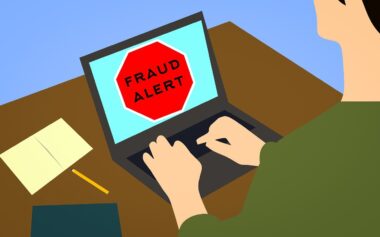

Tips for Senior Investors to Avoid Frauds
As a senior investor, it is crucial to stay aware of potential scams that specifically target older adults. The reality is that scammers often perceive seniors as vulnerable, leading to an increase in fraudulent schemes aimed at exploiting their savings and assets. One of the most effective ways to protect your investments is through vigilance. Always conduct thorough research before making any investment decisions. Utilize reputable financial news sources and consult with trusted financial advisors who can provide reliable information. Additionally, be sure to understand the details of any investment opportunity. Never invest solely based on unsolicited advice or pressure tactics. It is also wise to ensure that the financial professionals you are dealing with are properly licensed and registered. Be suspicious of high-pressure sales tactics, as legitimate investors will allow time for you to consider their proposals. Make it a habit to review your investment portfolio regularly, keeping an eye out for unfamiliar transactions. Regular scrutiny can help you identify potential fraudulent activities before they escalate. Always remember: if it seems too good to be true, it probably is.
Understanding common warning signs of investment scams is essential for seniors. Fraudulent schemes can often appear legitimate at first glance, making it challenging to differentiate between genuine opportunities and scams. To help you navigate this minefield, familiarize yourself with red flags that may indicate a scam. Look out for unsolicited communications from unknown sources claiming to offer investment opportunities. Always be cautious before sharing personal information or financial details, even over phone calls or online. Additionally, be wary of promises that guarantee high returns with little risk; such offers are extremely rare. Scammers often create a sense of urgency, pressuring you to invest quickly without adequate time for research. Take your time and investigate any claims thoroughly. Educating yourself about various types of scams, including Ponzi schemes and pyramid schemes, is also highly beneficial. Seek knowledge from credible resources, government websites, and community workshops dedicated to fraud prevention. Joining local senior organizations or groups can also provide additional information and support. Engaging with your peers can help share experiences and insights on how to avoid becoming a victim of financial fraud.
Always Verify the Source
One of the most effective defenses against investment scams is verifying the source of any investment opportunity. Seek out independent and reputable sources to confirm the legitimacy of an investment or financial advisor. Check credentials and confirm that financial professionals are registered with recognized regulatory authorities, such as the Securities and Exchange Commission (SEC) or the Financial Industry Regulatory Authority (FINRA). Websites like these provide helpful tools for verifying the legitimacy of brokers and advisors. Additionally, doing a simple online search for reviews, testimonials, or any news articles can illuminate previous dealings. Transparency is crucial; if someone is unwilling to offer clear information or answer your questions thoroughly, be cautious. Trustworthy advisors will readily provide documentation and details regarding their credentials, business practices, and past client success stories. Furthermore, consider checking with local consumer protection agencies, as they may have important information regarding complaints or legal actions taken against specific individuals or firms. Awareness and due diligence in verifying the source is an integral part of safeguarding your investments from scams.
Understanding the investment landscape is also vital for senior investors. Before engaging in any investment opportunity, develop a clear understanding of what you are investing in. Take your time to read through all documentation, including terms and conditions, fee structures, and potential risks associated with the investment. Reliable investments come with transparency regarding how your money will be managed. Be aware of the different types of investments available, such as stocks, bonds, mutual funds, and real estate, as each has its own risk factors. Familiarize yourself with how each investment type works and its historical performance. This knowledge can significantly increase your confidence in making informed decisions about your portfolio. Additionally, engage with trusted financial professionals who can help clarify complex terms or concepts that seem confusing. Consider seeking individualized financial advice tailored to your unique circumstances, needs, and goals. Make sure your investment strategy aligns with your overall financial plan, retirement timeline, and risk tolerance. Taking an active role in understanding your investments will help you make better choices and avoid scams.
Educate Yourself About Scams
Continuous learning about investment scams is essential in safeguarding your savings. Many scams evolve over time, and old tricks may resurface in new forms. To stay informed, educate yourself by attending workshops and seminars focused on identifying and avoiding investment fraud. Local community centers, libraries, or financial institutions often hold free educational events tailored to seniors. Additionally, reputable websites such as the AARP and the Federal Trade Commission (FTC) provide valuable resources and up-to-date information about common scams targeting seniors. They offer online tools, checklists, and guides that can be incredibly beneficial. Another approach is to connect with peer groups that focus on financial literacy, allowing for shared experiences and advice from others who may have faced similar situations. Read relevant literature, articles, and newsletters to keep abreast of new developments in scams. Knowing what to look out for can help you recognize potential threats and avoid dangerous situations that could compromise your investments. Engaging your mind is a proactive measure to protect yourself while also enhancing your knowledge.
Consulting trusted professionals regularly can significantly enhance your investment security. Establishing a relationship with a financial advisor can provide you with the necessary support to navigate investment opportunities. When selecting an advisor, ensure they have a fiduciary responsibility to act in your best interest. Someone who prioritizes your welfare will guide you through complex decisions and help steer you away from potentially harmful scams. Regular check-ins can also help you stay informed about your investment portfolio and keep you aware of fluctuations in the market. Additionally, participation in regular financial reviews with your advisor allows you to reassess your investment strategy and adjust as necessary. Consider creating a list of questions and concerns to discuss during these appointments to maximize their effectiveness. Furthermore, getting a second opinion from another financial expert is never a bad idea. Understanding diverse perspectives can help you make more confident decisions regarding your investments. A collaborative approach will ensure that your hard-earned money remains safe from fraudulent activities while working toward your financial goals.
Trust Your Instincts
In the investment arena, listening to your instincts can play a crucial role in avoiding scams. If something feels off or raises concerns in your mind, it’s wise to take a step back and analyze the situation more thoroughly. Scammers are skilled at creating a facade of legitimacy, but if you detect anything unusual or overly aggressive about a proposal, don’t hesitate to question it. Trust your gut, as your intuition can serve as an important warning system. Always take time to process the information presented and avoid rushing into decisions under pressure. Consulting with friends or family members about your investment plans can also provide added assurance. Discussing unfamiliar opportunities with trusted loved ones can help uncover any potential issues you may have previously overlooked. Involving knowledgeable peers can also foster open dialogue regarding your investment choices. Seek their opinions and listen to their stories about potential scams. Ultimately, maintaining a healthy level of skepticism will empower you to make choices that protect your financial future while giving you the peace of mind you deserve.
Finally, creating a comprehensive plan for your investments is a proactive strategy to reduce the risk of falling victim to scams. Develop a structured approach that outlines your financial goals, timelines, and acceptable levels of risk. A well-defined strategy can keep you focused, organized, and informed about your investment choices. When opportunities arise, having a plan allows you to compare them against your criteria, making analysis easier. Prioritize diversification within your portfolio to minimize risks. Spread your investments across different assets and market sectors to enhance stability and reduce vulnerability to scams. Additionally, setting aside a portion of your funds in safer, more stable investments can protect your overall financial health. Consider withdrawing profits periodically or reinvesting them into low-risk options to maintain a safety net. Your investment plan should also include regular reviews to stay updated on changes in your financial situation and market conditions. Monitoring your portfolio will reveal how your investments are progressing and alert you to any troubling patterns. Maintaining discipline and following your investment plan can significantly diminish the likelihood of succumbing to fraud.