
How to Train Your Marketing Team on Customer Journey Mapping in B2B
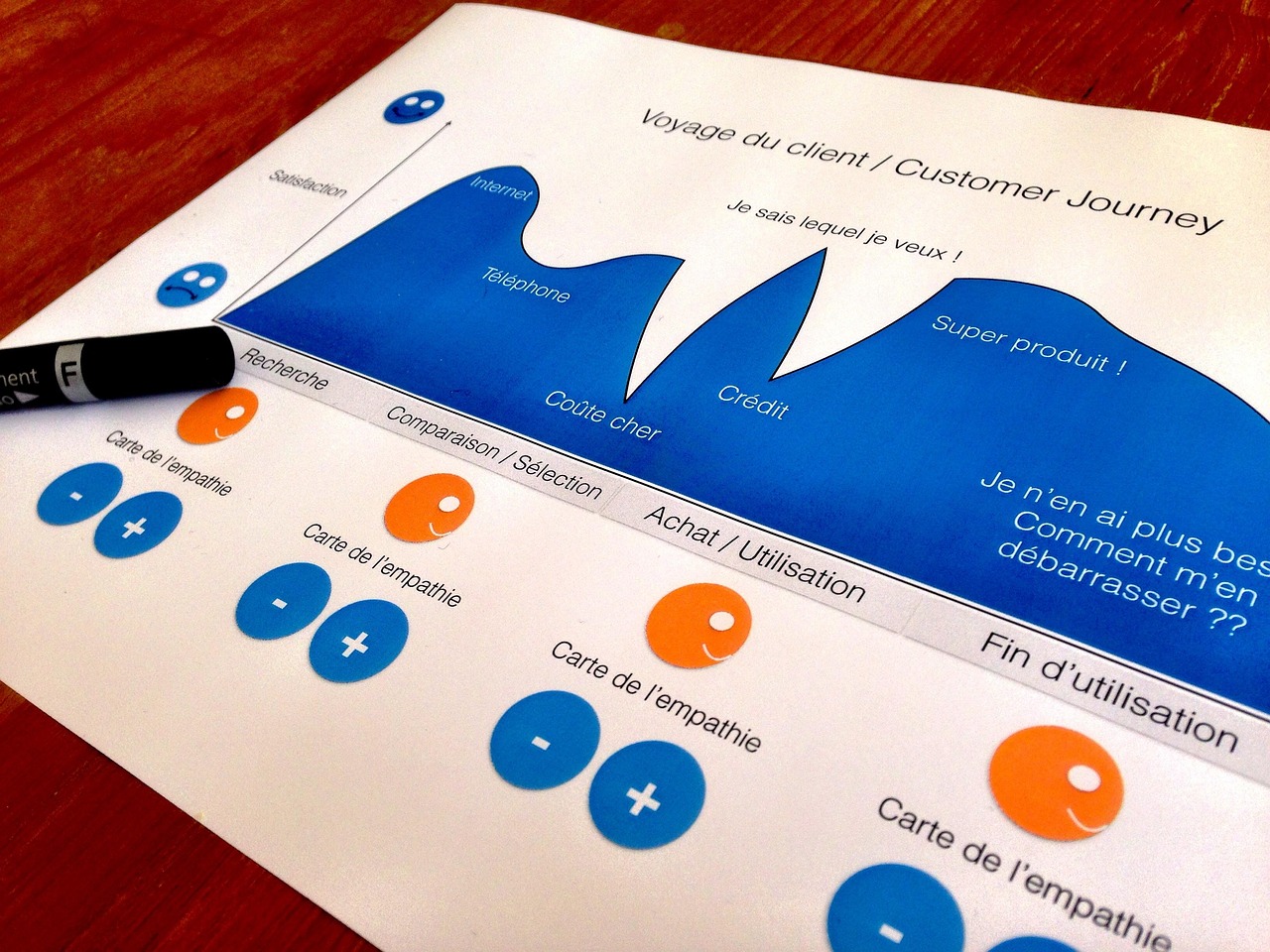
Understanding the customer journey is essential for businesses looking to optimize their B2B marketing efforts. Effective training for the marketing team is critical to ensure they master this complex process. The first step in this training is to provide a clear overview of customer journey mapping and its importance in marketing. Team members should learn how mapping helps identify customer touchpoints, pain points, and essential interactions. A critical aspect of this training involves educating the team about different stages of the customer journey. These stages include awareness, consideration, and decision-making. By understanding these phases, marketers can tailor initiatives to address the specific needs of their customers. This knowledge will also assist marketing professionals in recognizing potential buyer behavior patterns. Clearly defining objectives for each stage in the customer journey can help drive marketing strategies that align with the business goals. This might include strategies designed to enhance customer experience and drive conversion rates. Additionally, knowing how customers transition between stages allows the team to implement timely nurturing strategies, thus improving customer engagement and satisfaction. Overall, proper training on customer journey mapping can significantly influence a B2B company’s success.
Once your marketing team understands the fundamentals of customer journey mapping, the next step is to dive deeper into gathering customer data. This involves collecting qualitative and quantitative data through various channels to create comprehensive customer profiles. Engaging in discussions with sales teams, using surveys, and analyzing CRM records are effective ways to gather this insightful data. Marketers should be trained on how to interpret this data effectively, identifying key insights that can shape the customer journey. Additionally, team members should also learn about segmentation techniques, categorizing customers based on their behaviors or needs. This segmentation helps in crafting personalized experiences during the journey, making marketing efforts more effective. A practical exercise might involve case studies where teams analyze existing customer data and build customer personas. By immersing themselves in real-world scenarios, marketers will feel more equipped to apply theories in practice. As the team becomes more adept in interpreting data, they can refine their mapping initiatives, making them not only comprehensive but also actionable. Ultimately, data-driven customer journey mapping lays the groundwork for impactful marketing strategies, helping teams to better serve customers and meet business objectives.
Additionally, aligning marketing initiatives with sales and customer support teams is crucial in customer journey mapping. It’s essential for all departments within the company to understand and contribute to the customer journey. Regular cross-departmental workshops can foster collaboration, enabling marketing teams to gather valuable insights from sales and support staff. This collective understanding can help in creating a more holistic view of the customer journey. It ensures that the messaging and strategies across all interactions are consistent and coherent. Training sessions should also cover the importance of responding quickly to customer feedback in real-time, as this responsiveness influences customer satisfaction substantially. Assessment of customer touchpoints should be performed regularly, allowing the teams to identify areas that require adjustments. Creating journey maps that visualize the process helps convey ideas clearly and succinctly across departments. It enhances transparency and communicates priorities effectively. Moreover, understanding the interplay between marketing activities and customer experiences helps refine future programs. In doing so, organizations can elevate their customer interactions and ultimately increase loyalty and retention rates.
Utilizing Technology for Effective Mapping
Technology serves as an invaluable ally in customer journey mapping. Training sessions should incorporate how to utilize various digital tools and platforms that streamline data collection and analysis. Applications such as Google Analytics can provide real-time insights into customer behaviors on your website, helping identify which content resonates most effectively with them. Furthermore, customer experience platforms offer interactive dashboards, offering marketers visual representations of the customer journey. By incorporating these tools into training, the team can better learn how to measure the efficacy of different marketing strategies. This approach allows them to pivot quickly and make informed decisions based on ongoing results. Furthermore, they should explore advanced analytics tools capable of tracking customer interactions across multiple channels, thereby allowing for omnichannel mapping. Emphasizing mobile responsiveness within journey mapping is also increasingly essential as mobile usage continues to grow. Understanding the customer journey through various devices scales personalization efforts. By leveraging technology, marketing teams can elevate their understanding of customers immensely, leading to more engaging and targeted marketing campaigns. Ultimately, technology allows for more accurate mapping and enhances the customer experience seamlessly.
Another crucial aspect of effective customer journey mapping is the ongoing evaluation and testing of strategies. Training should emphasize the importance of adopting an agile mindset among the marketing team. By fostering an environment that embraces experimentation, team members can regularly test different approaches and measure outcomes. A/B testing is a great way to compare two versions of a marketing initiative. This can be applied to website landing pages, ads, or email outreach. By analyzing performance metrics, the marketing team can derive valuable insights into customer preferences and behaviors. Regular feedback loops should be established to inform the team of changes in customer sentiment or market dynamics. This could be done through periodic surveys or customer interviews, enabling the team to stay in tune with expectations. Through iterative improvements, marketers can make informed changes in real-time to optimize each stage of the customer journey. The goal is to create a flexible marketing environment that can respond to emerging trends quickly. Encouraging a culture of continuous improvement thus ensures that customer journey mapping remains relevant and effective over time, ultimately positively impacting business performance.
As you train your marketing team, don’t forget to emphasize the importance of empathy in customer journey mapping. Putting yourself in the customers’ shoes is vital for understanding their perspectives and preferences. Empathy maps can be a fantastic tool to help visualize customer experiences and illustrate feelings at each stage. Conducting role-playing sessions allows team members to experience the customer journey firsthand. This deep-rooted understanding aids in identifying potential obstacles and feelings that customers may encounter. It’s also vital to communicate the impact of these emotions on decision-making and loyalty to the brand. Instilling an empathetic approach can enhance how marketing strategies are designed and executed. Marketers who know their customers’ emotions are better equipped to create campaigns that resonate with the target audience. Additionally, empathy guides teams to address pain points proactively, thereby improving customer satisfaction. Encouraging discussions about customer emotions helps foster a customer-centric culture within the organization. By nurturing empathy and recognizing its role in customer journey mapping, teams can enhance relationships, loyalty, and engagement with their customer base significantly.
Conclusion: Continuous Learning and Adaptation
Training your marketing team on customer journey mapping is not a one-time effort; it requires ongoing learning and adaptation. To stay relevant in today’s fast-paced B2B environment, teams must remain updated on industry trends, new tools, and evolving customer expectations. Encourage them to participate in webinars, workshops, and conferences where they can enhance their skills and share best practices. The right training culture promotes retention and encourages knowledge-sharing among team members. Regularly revisiting the customer journey maps ensures they reflect current data and strategies. Teams should be encouraged to collaborate and innovate together, finding new ways to enhance the customer experience. Monitoring the success of implemented strategies is vital and should involve revisiting key performance indicators regularly. Understanding what’s working and what’s not allows for informed strategic pivots. This understanding also promotes a sense of accountability amongst team members, driving them to optimize their impact continually. Overall, continued training and adaptation play a fundamental role in the success of B2B marketing through customer journey mapping efforts. By embracing a forward-thinking approach, organizations can ensure they meet the evolving demands of their customer base effectively.
To support all these training efforts, it’s essential to have a well-structured training plan in place. This plan should outline key objectives, recommended resources, and a timeline for each training phase. Consider incorporating a blend of formal learning methods, such as workshops or online courses, alongside experiential learning opportunities. Mentorship programs can also prove beneficial, where experienced team members guide younger associates through their journey mapping challenges. Assessing the effectiveness of the training program through feedback and evaluation metrics is necessary to optimize the process continually. Other elements might include setting up a knowledge base or shared resource library to facilitate easy access to training materials. Adopting a collaborative approach when creating this library fosters camaraderie and provides diverse perspectives on customer journey mapping. This plan serves as a living document that can be adapted over time, ensuring it’s meaningful and relevant. Ultimately, a comprehensive training plan crystallizes the commitment of the organization to their teams and customers. By investing in continuous learning about customer journey mapping, marketing teams become empowered to innovate and drive significant results for their B2B organizations.