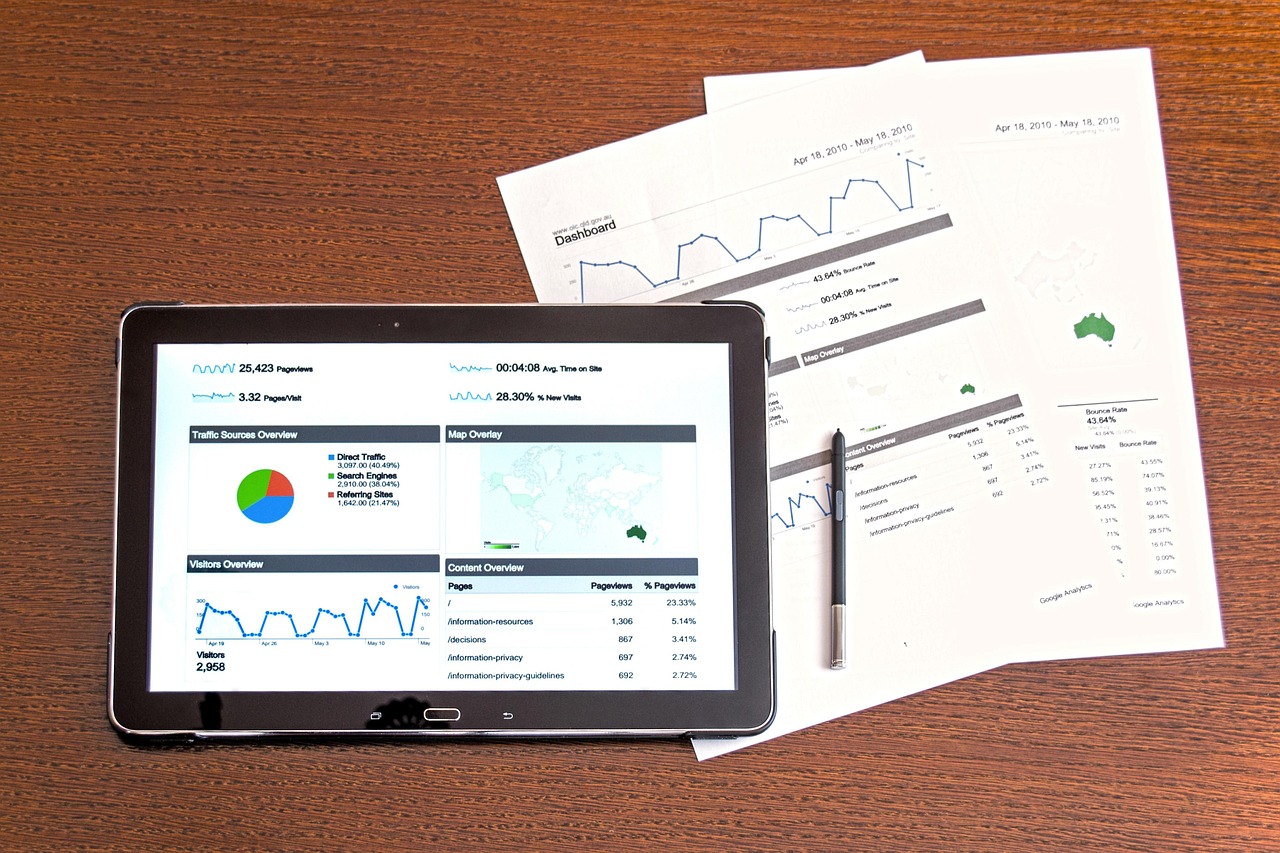

Using Data to Identify Emerging Market Trends
In today’s fast-paced market landscape, businesses increasingly rely on data-driven marketing strategies to understand and respond to consumer needs. By leveraging analytics and insights, organizations can identify new trends before they fully emerge. Data collection methods such as surveys, social media monitoring, and customer relationship management systems play a vital role in gathering actionable insights. Data analysis allows marketers to discern patterns that traditional methods may overlook. For instance, clustering algorithms can help segment audiences based on preferences, leading to tailored marketing campaigns. Brands can utilize platforms like Google Analytics or social listening tools to track online behavior, enabling timely adjustments in strategy. Moreover, the integration of artificial intelligence enhances predictive analytics, ensuring proactive management of marketing efforts. This approach can optimize advertising spend and improve customer targeting. As competitive landscapes evolve, being proactive enables brands to capture market share effectively. Monitoring and analyzing performance metrics is crucial for engaging with consumers meaningfully. Therefore, data-driven marketing becomes essential for achieving long-term success in a dynamic business environment.
To further strengthen data utilization, businesses must prioritize establishing a robust data governance framework. An effective system would ensure data accuracy, privacy, and accessibility across departments. Collaboration among teams, such as marketing and IT, fosters a data-centric culture that promotes innovation. Data visualization tools allow stakeholders to interpret complex data sets easily, transforming them into clear actionable insights. Companies should invest in training employees to utilize such tools effectively while helping them develop analytical skills. Engaging workshops can facilitate a deeper understanding of data interpretation, encouraging a data-driven mindset. Furthermore, ensuring compliance with regulations like GDPR is paramount in maintaining customers’ trust. As organizations become adept at data analytics, they can identify potential market opportunities and consumer pain points. By closely monitoring emerging behaviors, businesses can adjust their offerings accordingly to meet evolving demands. Customer feedback is invaluable during this process, as it provides direct insights into consumer preferences. Overall, building a data governance framework serves as an empowering foundation for sustaining a successful data-driven marketing strategy.
Surveying target audiences regularly forms a critical aspect of understanding market trends. Businesses may consider deploying surveys via digital channels to collect valuable insights efficiently. Questions can focus on emerging preferences, product features, or overall satisfaction levels. Analyzing survey results can yield valuable information that shapes marketing strategies. It’s also beneficial to use open-ended questions, allowing respondents to express thoughts freely. Such qualitative feedback often reveals emerging themes and patterns marketers can leverage to fine-tune products or services. Additionally, combining qualitative and quantitative data sets provides a holistic view of market demands. Another effective technique is A/B testing for marketing campaigns, which compares two versions of content to determine the more effective one. This method minimizes risks by allowing businesses to test ideas at lower costs. Furthermore, aggregating data over time shows trends that are particularly invaluable when forecasting future consumer behaviors. Implementing these practices enables organizations to shift from reactive to proactive marketing strategies, staying ahead of competitors. In summary, continuous survey implementation and active feedback channels remain crucial to anticipating emerging market trends successfully.
Leveraging Social Media Insights
Social media platforms have emerged as vital tools for real-time market analysis and consumer engagement. By closely monitoring social interactions, brands can gauge public sentiment concerning products and industry trends instantly. Leveraging data analytics tools offered by platforms like Facebook and Twitter allows marketers to track engagement metrics such as likes, shares, and comments. This information contributes to a deeper understanding of consumer preferences and trends. Furthermore, sentiment analysis techniques can identify the general feelings surrounding products or brands, offering insights into market positioning. Consumers often express their thoughts in the form of reviews, which can either bolster or hinder brand reputation. Businesses should engage with these critiques constructively, addressing concerns and responding positively to feedback. Utilizing influencer marketing has also proven effective, as influencers can help brands reach wider audiences while validating products. By analyzing influencer metrics, companies can pinpoint the effectiveness of these campaigns. The wealth of qualitative data available from social media necessitates strategic approaches to inform marketing strategies, ultimately fostering brand loyalty and providing continued relevance in the market.
As developed technologies provide more detailed consumer insights, utilizing big data becomes increasingly crucial in marketing strategies. Marketers have access to vast amounts of information, including shopping behavior patterns, browsing histories, and demographic details. By deploying data analytics tools, businesses can sift through these large data sets to hone in on emerging market trends. Furthermore, predictive analytics can enhance decision-making by modeling potential future outcomes based on historical data. These insights allow for the optimization of product offerings and better-targeted promotions. Companies can achieve a competitive edge by accurately forecasting consumer demand and adjusting supply chain operations accordingly. Nonetheless, businesses must invest in data security measures to protect personal information, solidifying customer trust. Regulatory compliance, especially concerning data privacy, is essential for establishing ethical marketing practices. Transparency in how consumer data is gathered and utilized fosters goodwill among audiences, reinforcing brand credibility. Organizations that prioritize responsible data usage not only comply with legal frameworks but also create lasting customer relationships. All in all, harnessing big data through ethical practices becomes foundational for identifying and capitalizing on emerging market trends.
Adapting to Market Fluctuations
In the era of rapid digital transformation, staying agile is essential for brands aiming to survive market fluctuations. Businesses must adopt flexible marketing strategies allowing them to pivot quickly in response to new trends. Agility involves a culture of continuous learning, where employees remain trained in analyzing current market data. Regular assessments of marketing performance inform adjustments to campaigns or messaging effectively. Particularly in disruptions, insightful consumer feedback can lead to essential modifications necessary for maintaining relevance. A/B testing is especially valuable, enabling brands to navigate changes in consumer behavior efficiently. Furthermore, short production cycles allow for experimentation with product variations based on emerging market needs. Embracing a mindset of experimentation also encourages creativity, allowing marketing teams to explore new ideas without rigid limitations. Collaborating with external partners can help facilitate fresh ideas and innovative approaches to reach broader audiences. Brands must also monitor competitor movements closely and analyze their effectiveness in reaching consumers. This constant adaptation to market conditions fosters sustainability, ensuring businesses can thrive amid the obstacles presented by continuous change.
As consumer preferences continue to evolve, it’s important for brands to maintain authentic communication through personalized marketing efforts. Personalization helps create more meaningful connections with target audiences, leading to improved customer loyalty. Leveraging data-driven insights to tailor messages ensures relevance, encouraging engagement. Strategies might include personalized email marketing campaigns based on consumer behavior, interests, and previous purchases. By using data to segment audiences effectively, brands can craft messages that resonate more deeply. Effective communication also involves using multi-channel approaches to reach consumers where they are most active. This omnichannel strategy encourages cohesive messaging across platforms, reinforcing brand identity. Moreover, keeping an eye on emerging technologies such as augmented reality and virtual reality may help enhance marketing efforts by creating immersive experiences. Adaptation to consumer trends also colludes with the ethical obligation of respecting consumer data privacy. Implementing mechanisms that ensure secure data handling promotes a trustworthy environment for consumers. In conclusion, adopting personalized strategies grounded in data helps to forge strong relationships, ultimately capitalizing on emerging market trends.