
Challenges and Solutions in B2B Customer Journey Mapping
In B2B environments, mapping the customer journey presents unique challenges that necessitate a strategic approach. One primary challenge is the complexity of buyer personas, which often include multiple stakeholders, each with distinct needs and behaviors. The need for personalized messaging complicates this further, as the mapping should account for variations in decision-making processes across organizations. Implementing a holistic and well-defined customer journey can be time-consuming and resource-intensive, which is another challenge facing businesses. Additionally, many organizations struggle with data silos that impede visibility into the overall customer experience. This makes it difficult to align marketing, sales, and customer service teams effectively. To overcome these challenges, businesses can utilize technology, such as Customer Relationship Management (CRM) tools, that enable better data integration and visualization. Adopting a customer-centric approach focusing on collaboration among internal teams ensures that all aspects of the customer journey are accurately represented. Moreover, conducting regular audits of the journey can help identify any gaps, ensuring a continuous improvement process that adapts to changing customer expectations.
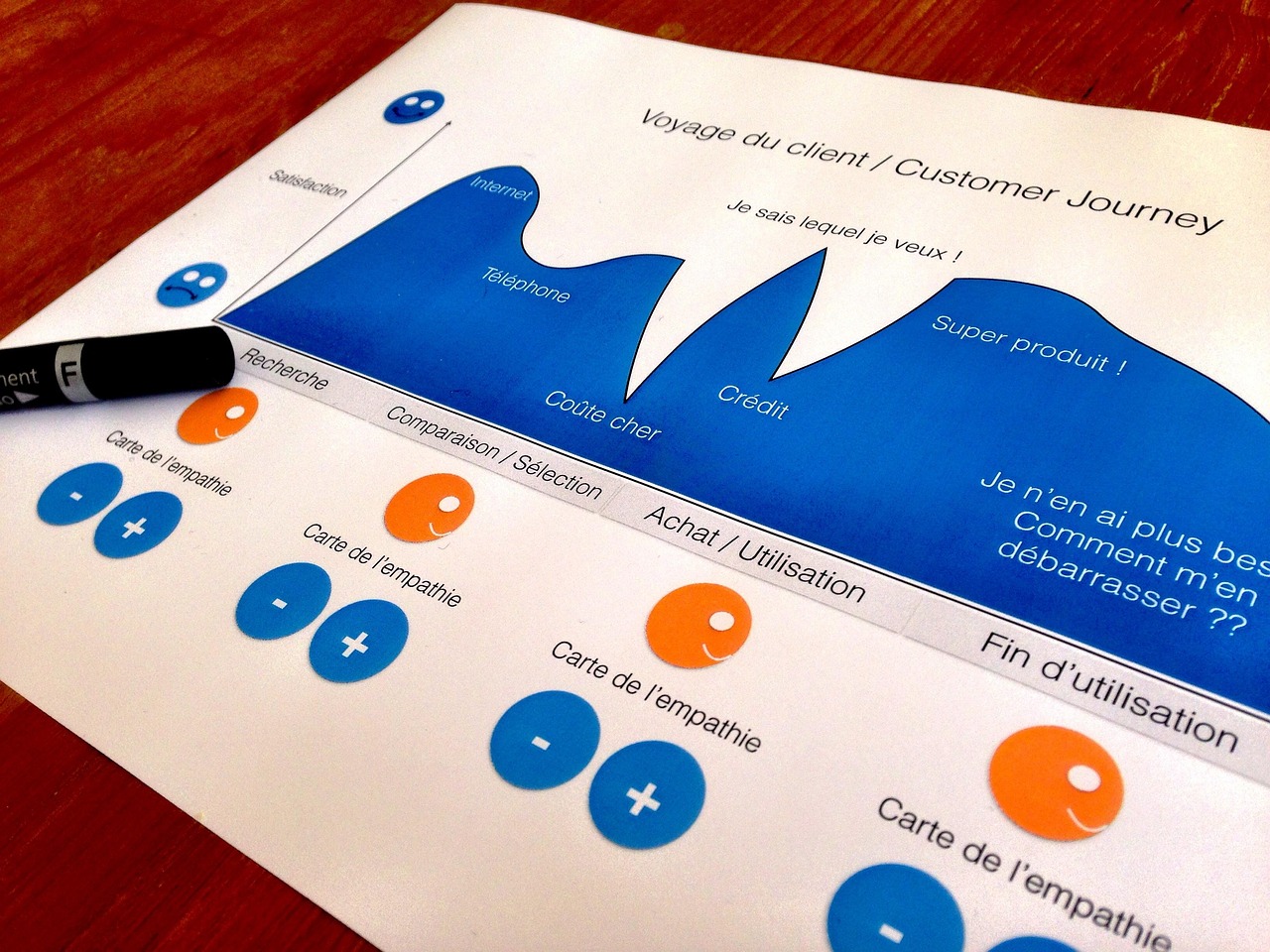
To facilitate effective customer journey mapping, businesses should focus on the development of clear buyer personas. Identifying the various roles within each account and understanding their pain points, preferences, and decision-making processes can enhance the effectiveness of mapping strategies. Engaging with prospects and existing clients through surveys or interviews is an invaluable step in gathering qualitative data, informing persona development. Additionally, integrating quantitative data from analytics tools can provide insights into customer behavior patterns, further refining the mapping. To align teams, adopting shared KPIs related to customer engagement and satisfaction will help create a unified vision that drives collaborative efforts. Another essential aspect is considering touchpoints throughout the journey, which includes areas like social media, email campaigns, web interactions, and sales calls. Companies need to evaluate how customers interact with these touchpoints and the experiences they have at each stage. Utilizing journey mapping frameworks and tools will help visualize customer experiences and identify areas for improvement, simplifying the customer’s experience. Regularly revisiting and adjusting customer journey maps ensures that they remain relevant, addressing evolving customer needs effectively.
Addressing Data Silos
Data silos are a significant barrier to effective B2B customer journey mapping. When vital information is trapped in departmental silos, it hinders the ability to gain a comprehensive view of the customer. Organizations must focus on breaking down these silos by leveraging technologies and platforms that promote data sharing. Setting up centralized databases that compile customer data from various touchpoints enables businesses to get an accurate, complete picture of customer behavior. This strategy improves lead scoring processes, allows targeted communications, and enhances the overall customer experience. Furthermore, adopting collaborative tools that support interdepartmental communication can facilitate better alignment among teams working on the customer journey. Establishing a unified customer experience requires transparency in sharing insights, goals, and strategies across marketing, sales, and customer service teams. Regular training and workshops can help educate staff about the significance of data sharing and how it benefits overall customer experiences. Involving all relevant stakeholders in the mapping process fosters a collective sense of ownership and responsibility for the customer journey and ensures continuous collaboration in optimizing the approach.
Another challenge in B2B customer journey mapping is dealing with the various stages of the sales funnel, which can create confusion. In many cases, potential customers enter the funnel at different stages, and their journey can vary widely. To address this, businesses should adopt a flexible mapping framework that accommodates various entry points and paths through the funnel. Understanding how different types of customers navigate through their unique journeys is crucial for developing effective marketing strategies. Implementing techniques such as A/B testing can provide insights into which messaging resonates with particular personas at different stages. Additionally, tracking engagement metrics throughout the journey allows businesses to make data-driven decisions that enhance the effectiveness of their strategies. Regular reviews of the mapped customer experiences enable teams to identify potential drop-off points and optimize touchpoints accordingly. By embracing adaptability and responsiveness in their mapping efforts, businesses can create a more dynamic approach that not only improves engagement but also increases conversion rates over time. Continuous feedback mechanisms involving customers themselves can offer valuable insights, contributing to a more customer-centric focus in mapping efforts.
Leveraging Technology for Mapping
Embracing technology in customer journey mapping has become essential for B2B companies striving to enhance the experience. Various tools, such as journey mapping software, analytics platforms, and CRM systems, can streamline the process considerably. By utilizing such technologies, businesses can visualize customer interactions better and understand where improvements are needed. Integrating multiple tools allows for a comprehensive analysis of data that is crucial for success in mapping. Investing in customer journey analytics enables companies to gain insights into customer behaviors, preferences, and pain points at various touchpoints, resulting in more informed decision-making. Automating some mapping processes can also save time and resources, allowing teams to focus on strategic initiatives. Moreover, technology can facilitate better communication and collaboration among internal teams, ensuring everyone is aligned in their efforts to enhance the customer experience. Regularly updating technology and adapting to industry advancements is critical, allowing businesses to stay relevant in their mapping strategies. Ultimately, leveraging technology effectively empowers organizations to create seamless customer journeys that are data-driven and tailored for success.
Besides technology, continuous training for employees involved in customer journey mapping is vital. Education on mapping methodologies, customer-centric practices, and the significance of customer experience is essential for improvement. Training programs can help team members understand how their roles contribute to the overall journey and encourage collaboration. Workshops that provide insight into customer expectations and emerging trends are instrumental in keeping teams informed and ready to map accurately. Additionally, involving employees across various departments can lead to more comprehensive mapping, as each individual brings a unique perspective to the table. Establishing mentorship or peer-to-peer learning opportunities enhances internal knowledge sharing and fosters a culture of continuous improvement. The role of leadership is crucial in promoting a customer-first mindset; leaders should emphasize the importance of understanding customer needs and challenges. Open feedback channels encourage employees to share insights about customer experiences, enabling organizations to refine their mapping efforts. By prioritizing training and education, businesses can effectively cultivate a culture of customer-centricity, ensuring they effectively respond to the evolving needs of B2B clients.
Final Thoughts on Journey Mapping
In the ever-evolving landscape of B2B marketing, customer journey mapping must remain a priority for organizations striving to enhance customer experiences. By addressing challenges like data silos, varying sales funnel stages, and the complexities of buyer personas, businesses can significantly improve their customer journey strategies. The integration of technology, continuous training, and a customer-first culture are vital components of successful mapping efforts. Overcoming obstacles requires a holistic approach that encompasses internal collaboration, regular evaluation of customer journeys, and embracing innovations that drive effectiveness. Strategies focusing on personalized messaging at key touchpoints will resonate better with customers, improving engagement rates and fostering loyalty. Ultimately, the customer journey should always be seen as a dynamic and ongoing process, adaptable to changes in market conditions and customer needs. Businesses that commit to understanding and refining their customer journey will position themselves as leaders in their industries, capable of creating exceptional experiences that foster long-term success.
As B2B companies put these strategies into practice, they need to remain agile and ready to adapt to shifting market landscapes. Continuous feedback loops are essential for gathering insights from customers. Implementing tools to track overall customer satisfaction and experience can help organizations fine-tune their approach regularly. To foster innovation in journey mapping, it can be beneficial to involve external experts who can provide additional insights and ideas. Engaging consultants or thought leaders in the space can help identify industry best practices and trends that can be incorporated into the mapping process. Consistently benchmarking performance against competitors will allow companies to gauge their effectiveness relative to others in their market. As B2B environments continue to grow in complexity, companies that prioritize a thoughtfully executed customer journey map will be able to create competitive advantages that set them apart. By ensuring that mapping efforts remain customer-focused and evident in all practices, organizations can cultivate lasting relationships that amplify loyalty and engagement among B2B clients. All these aspects come together, laying the foundation for superior customer experiences that lead to business success.