
How Lifestyle Changes Can Help You Pay Off Debt Faster
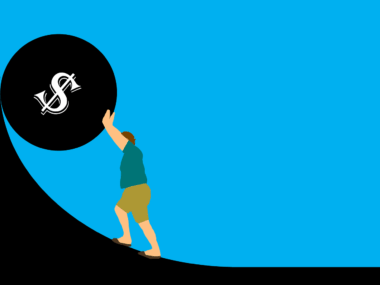
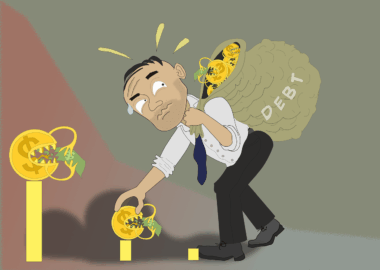
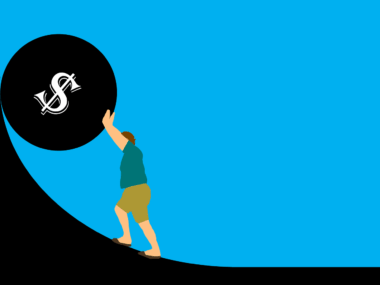
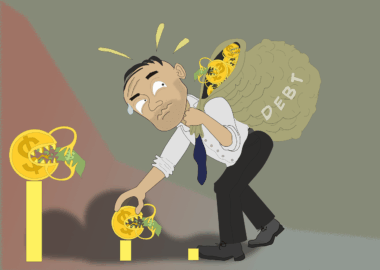
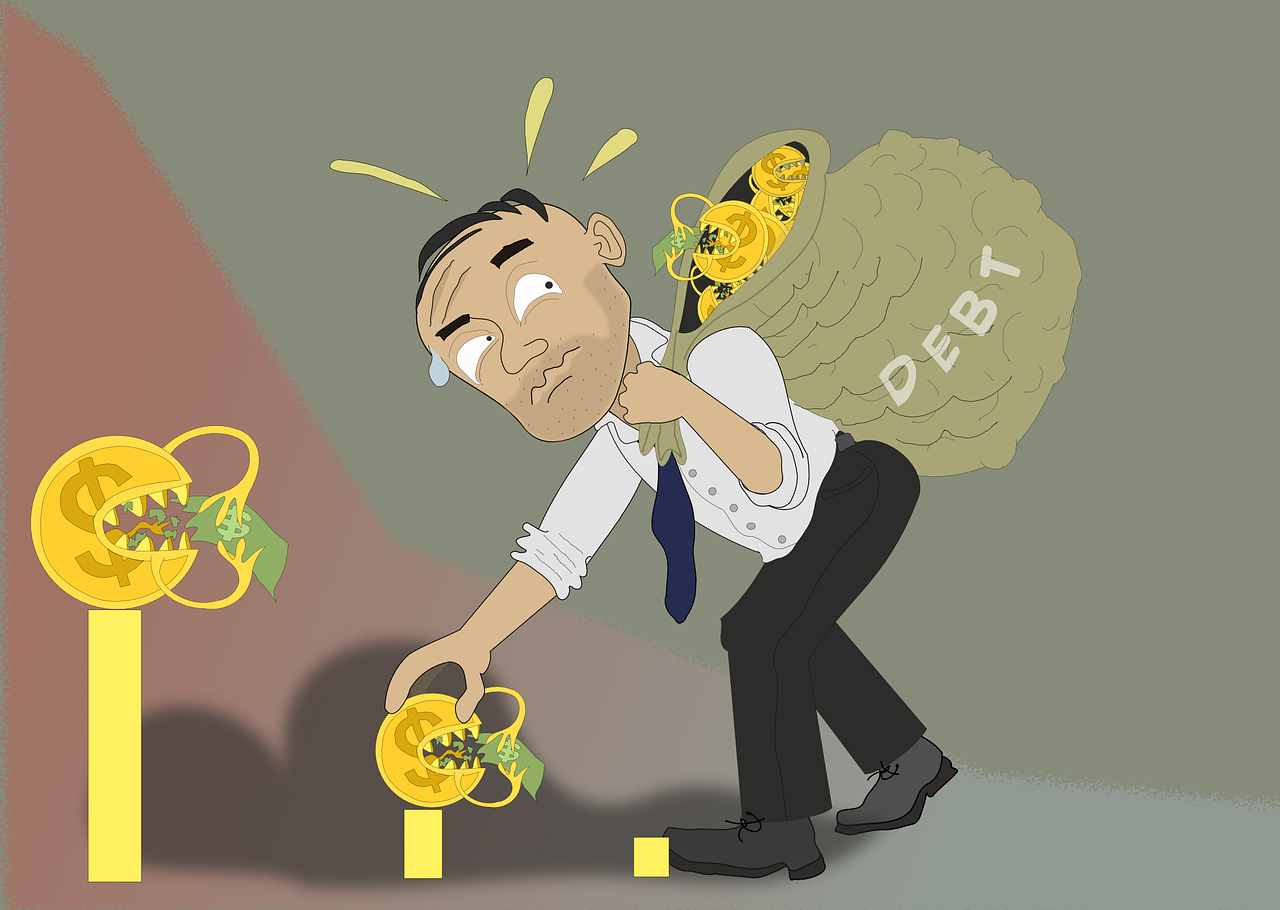
Paying off personal debt can often feel like an uphill battle, especially if you are managing multiple sources of debt. By implementing targeted lifestyle changes, individuals can strategically reduce their debt burdens. One key change is evaluating monthly subscriptions or services that may not be necessary. Identifying these recurring charges allows you to save money that can be redirected toward debt payments. Next, consider adopting a strict budget. Setting up and adhering to a monthly budget can help you visualize your spending and pinpoint unnecessary expenditures. Utilizing budgeting tools or apps can aid in streamlining this process. Additionally, consider exploring income-generating opportunities. Part-time jobs or side gigs can provide that extra cash flow needed to make substantial debt payments. In turn, using windfalls, like tax refunds or bonuses, to tackle the principal amount can expedite the process. Embrace the concept of frugality—cutting unnecessary expenses and focusing on essentials creates a financial buffer that can dramatically alter your debt repayment trajectory.
Another effective lifestyle adjustment is changing your consumption habits. Mindfully purchasing only essential items, adopting a “30-day rule” before making significant purchases, fosters greater financial discipline. Moreover, consider seeking support from financial experts or counselors. Guidance can provide you with personalized strategies tailored to your unique situations. Joining a debt support group can also foster a sense of community and accountability. It is crucial to create a realistic debt repayment plan that outlines specific monthly objectives. Such a structured approach minimizes feeling overwhelmed. Regularly reviewing your progress is vital to maintaining motivation. Celebrate small victories, as each one signifies a step closer to becoming debt-free. Furthermore, practice mindfulness and self-care; managing stress can diminish the likelihood of making impulsive financial decisions. Having the right mindset assists in overcoming the emotional burden of debt. Finally, examine your habits surrounding credit card usage. Paying off balances promptly and avoiding unnecessary use can lead to better credit and reduced debt over time. These proactive lifestyle shifts signify commitment to achieving financial wellness.
Smart Spending Strategies
A change in how you view spending can enhance your journey toward paying off debt. Start by distinguishing between your wants and needs. By prioritizing necessities, you can free up funds essential for debt repayment. Engaging in minimalism can drastically diminish your craving for constant purchases. Consider reducing clutter by selling items you no longer use. The proceeds can directly assist with paying off debts. Group similar expenses together to assess potential savings; for example, consolidate insurance, subscriptions, or utility services. Creating an expense approval system, wherein unplanned purchases require justification, can strengthen your discipline. Additionally, take advantage of community resources such as libraries, free workshops, or local events for entertainment. This approach allows for enjoyment without incurring additional costs. Always search for discounts and cashback opportunities when making necessary purchases. Joining loyalty programs can yield savings that contribute subtitently to your debt reduction efforts. Moreover, embrace home-cooked meals instead of dining out; the savings add up significantly over time. A shift in lifestyle to consider smart spending habits fosters a more manageable financial future.
Furthermore, consider the importance of financial literacy in enhancing your understanding of debt management. Equipping yourself with knowledge about loans, interest rates, and repayment strategies empowers you to make informed decisions. Relatedly, utilize apps and tools to keep track of your debts and repayments, maintaining visibility on your financial obligations. Understanding various repayment methods, such as the snowball or avalanche methods, can aid you in making a conducive payment strategy. Exploring debt consolidation options may also provide relief by combining multiple debts into one manageable payment, often at a lower interest rate. Always evaluate the pros and cons of such integrations. The unique circumstances surrounding each debt will dictate the best solutions for you. Remember to set realistic and attainable financial goals that will keep you motivated along the journey. Regularly revising your goals ensures alignment with changing financial situations or priorities. Seek ongoing education through articles, books, and seminars; remaining informed on best practices is vital. Ultimately, a well-rounded approach that incorporates knowledge will optimize your debt repayment strategy.
Creating a Sustainable Routine
Building sustainable financial habits requires a commitment to consistent routines. It’s essential to establish specific times for reviewing finances, budgeting, and assessing your debt repayment strategies. A weekly check-in can highlight progress and motivate continuous improvement. Additionally, automate as much of your savings and payments as possible. Setting up automatic transfers to savings or direct debit payments can prevent missed payments and promote savings discipline. This reduces the temptation to spend funds that should go toward debt repayment. Encouraging family or friends to participate in financial discussions can foster accountability. Positive peer influence drives motivation while also sharing tips and strategies. Consider minimal changes such as “no-spend days” or “financial fasts” to give yourself a break from unnecessary spending. Over time, these habits equip you with the tools needed to make positive changes to your lifestyle and promote debt repayment. Measurement of these changes is also critical. Keep a record of your progress and ensure that your journey to financial freedom remains enjoyable and rewarding.
Another crucial element of gaining traction in debt reduction is visualizing your goals. Systems such as vision boards can serve as constant reminders of what you are striving to achieve. By setting clear milestones, you can celebrate small wins and maintain momentum. Setting specific debt-free dates acts as motivational targets, providing a clear endpoint for your efforts. Writing down your goals strengthens their importance, allowing you to stay focused on the bigger picture. Surround yourself with inspirational stories of others who have successfully paid off their debts to spark motivation. Furthermore, regularly updating your vision board with new goals or achievements keeps you engaged in the process. Consider tracking your journey through analytics to view your overall progress. This method provides insights into what works best and cultivates a mindset oriented toward success. Maintain constant communication with yourself about your spending habits to ensure they align with your objectives. By regularly evaluating your life choices, creating a balance becomes manageable, further fueling an empowered journey toward financial liberation.
The Emotional Side of Debt Management
Paying off debt isn’t merely a financial endeavor; it frequently intertwines with emotional elements impacting your mental well-being. Managing stress during this process is critical. Engage in nurturing techniques such as meditation, exercise, or even professional counseling to bolster emotional resilience. Addressing detrimental feelings surrounding debt creates a healthier outlook and mitigates the temptation for impulsive spending. Remember that debt reduction is a gradual journey, and progress may not always be linear. Letting go of the traditional stigma associated with debt empowers you to tackle challenges boldly. Forgive yourself for past financial mistakes; they do not dictate your future. Cultivating a positive mindset along the way helps build momentum. Involve your support system in your journey; friends and family can offer crucial encouragement. Group activities keep you motivated, allowing for shared experiences in tackling debt. Sharing challenges fosters camaraderie, making the experience more enjoyable. Encouragement from your circle can enhance your commitment to achieving financial goals. So prioritize self-care and compassion as fundamental aspects of your path toward financial stability and debt reduction. Remember, transforming your lifestyle creates a powerful shift in your financial future.
Finally, it’s essential to acknowledge that lifestyle changes can create a ripple effect positively influencing various aspects of your life. By successfully navigating debt reduction, individuals often discover increased confidence and improved habits in other areas, such as saving or investing. Financial education empowers individuals to take ownership of their financial wellness clearly. As you pay off debts, consider redirecting funds previously allocated for payments into savings or investments. Building financial health promotes overall stability, as savings can act as a safety net in emergencies. Transitioning from a debt-paying to a wealth-building mindset is an important shift. Once debt-free, the benefits of your earlier lifestyle changes become evident. Familiarize yourself with new financial opportunities available without the burden of debt. Abstaining from overspending encourages smarter investments, yielding long-term benefits such as security and freedom. Consistency in applying these positive habits will result in substantial financial growth. Enjoy the newfound peace that comes with being debt-free, cultivating a future of financial independence. This approach not only liberates the pocketbook but also fosters a lifestyle centered on financial empowerment and well-being. Embrace the journey ahead with enthusiasm!