
How Credit Card Debt Specifically Impacts Your Credit Rating
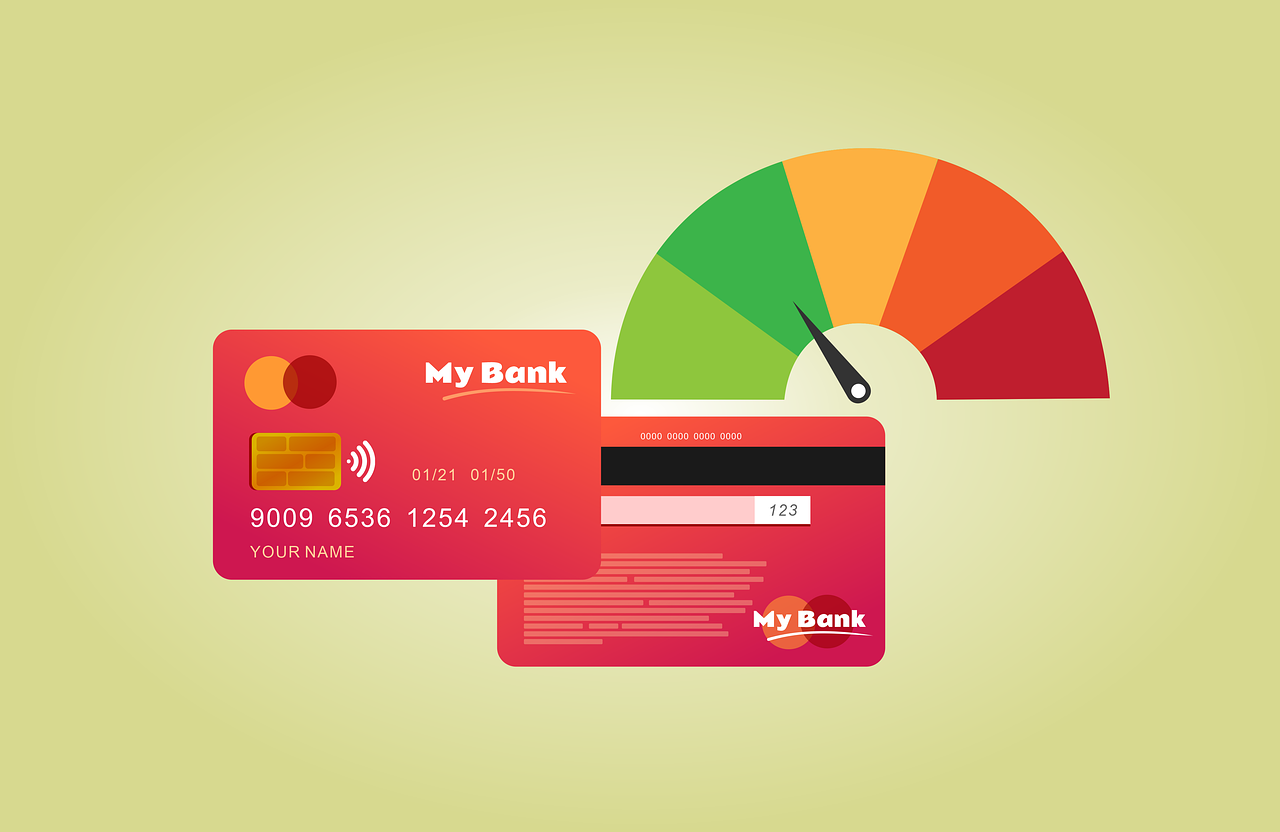
Credit card debt plays a significant role in determining your overall credit rating. When you accumulate debt, especially high balances relative to your credit limits, your credit utilization ratio increases, which can negatively impact your score. Credit scoring models typically consider utilization ratios above 30% to be risky behavior, indicating a higher likelihood that you may default on repayments. Consequently, it is crucial to monitor your spending and manage balances effectively to keep this ratio low. Moreover, a higher utilization rate can influence lenders’ perceptions of your financial behavior, making it more challenging to secure favorable credit terms. On the flip side, responsibly managing and paying down credit card debt can improve your credit score over time. Making monthly payments on time demonstrates reliability, which reduces the risk of default. Paying off a portion of your debt can also decrease the utilization ratio, positively impacting your score. Ultimately, understanding these dynamics helps you make informed financial decisions that will benefit your long-term credit rating and pave the way for obtaining better financial opportunities in the future.
The Components of Your Credit Score
Your credit score is made up of various components that influence the overall rating, with credit card debt being a significant factor. Typically, it includes elements such as payment history, credit utilization ratio, the length of credit history, types of credit accounts, and new credit. Among these, payment history holds the highest weight in scoring calculations, accounting for approximately 35% of your score. If you miss payments or accidents lead to late charges, your credit score may drop considerably. Credit utilization ratio follows, usually comprising about 30% of the total score. This ratio is determined by dividing total credit card balances by total credit limits. The length of your credit history is vital, too, as longer accounts demonstrate stability in handling credit. Types of credit accounts represent your experience with credit diversity, while new credit represents inquiries made for new loans, impacting your score if done excessively. A holistic understanding of these elements can empower you to take necessary actions to maintain a healthy credit score while effectively managing credit card debt.
The Consequences of High Credit Card Debt
The consequences of carrying high credit card debt can be extensive and far-reaching. For starters, high debt may lead to reduced credit scores, which can result in higher interest rates on loans or difficulty in securing financing. Lenders view high balances as a sign of financial distress, prompting them to impose unfavorable terms and conditions. Furthermore, high credit card balances can increase your monthly minimum payments, significantly affecting your disposable income and limiting your ability to save or invest. Additionally, high levels of debt can trigger feelings of stress and anxiety, impacting overall mental health and well-being. This relationship between finances and emotional health cannot be overlooked. It leads to a vicious cycle where individuals may resort to more borrowing as a solution to their financial problems, thereby escalating their situation. Hence, it is crucial to create budgets and prioritize debt repayment strategies. These strategies should ideally include making more than the minimum payments, transferring balances to lower-interest cards, or seeking professional advice. Addressing debt proactively can safeguard against adverse effects on both credit ratings and quality of life.
Strategies to Improve Your Credit Score
If you’re struggling with credit card debt and its implications on your credit score, there are effective strategies you can employ. Start by reviewing your current financial situation, including all credit card balances and due dates. Create a detailed budget that outlines income and expenses to identify areas where you can cut back on spending. This can help free up additional funds to make larger monthly payments on your credit cards. Focus on paying down high-interest debts first, as these costs can spiral quickly and create challenges in repayment. Consider creating either a snowball or avalanche repayment strategy to stay organized and motivated. Another key strategy is to maintain low credit utilization by not exceeding 30% of your total credit limit. Additionally, avoid making large purchases or opening new lines of credit while you work to improve your credit standing. Regular monitoring of your credit report is essential, ensuring there are no inaccuracies negatively affecting your score. Remember, improving your credit score takes time, so remain patient and committed to your financial goals.
The Role of Late Payments
Understanding the role of late payments is essential when considering how credit card debt impacts your credit score. Late payments can remain on your credit report for up to seven years, affecting your score significantly. A single late payment can drop your score by as much as 100 points, heavily influencing your creditworthiness in the eyes of lenders. This drop is particularly pronounced if the payment is over 30 days late, as this is when it gets reported to credit bureaus. Repeat late payments can compound the damage, indicating a pattern of unreliable financial behavior. If you find yourself unable to make a credit card payment on time, contact your lender for assistance. Many creditors offer hardship programs or may waive fees if you explain your situation. Setting up automatic payments can also be beneficial, ensuring on-time payments and shedding the burden of remembering every due date. Overall, late payments can severely damage credit scores; thus, prioritizing timely payments can greatly improve your overall credit health and prevent further financial dilemmas.
Understanding Credit Reports
Your credit report is an essential tool in understanding how different factors, including credit card debt, affect your credit rating. Each time you apply for credit or a loan, lenders will review your credit report to assess your financial reliability. It contains valuable information, including payment history, total debts, the length of credit accounts, new inquiries, and types of credit. By regularly reviewing your credit report, you can identify areas of concern where debts might be negatively impacting your score. Moreover, it allows you to catch and address potential errors causing unfair damage to your credit rating. Many credit agencies offer free annual reports, enabling you to check for inaccuracies. Addressing these discrepancies can enhance your overall creditworthiness. If you spot errors, dispute them promptly according to the agency’s instructions. Staying informed about your credit report not only fosters growth but also prepares you for when you need to make significant financial moves, such as applying for a new mortgage or car loan. An accurate, well-maintained credit report provides insight into the health of your financial profile.
Consolidation and Debt Management Plans
If your credit card debt is overwhelming, consider employing consolidation and debt management strategies to regain control of your finances. Debt consolidation involves combining multiple debts into a single monthly payment, often at lower interest rates. This approach simplifies the repayment process and can potentially lower total payments each month. Another option is enrolling in a debt management plan, typically offered by nonprofit credit counseling agencies. These programs help negotiate with creditors for reduced payments and lower interest rates, making repayment more manageable. While both options have their pros and cons, proper research is critical to find a solution that aligns with your financial goals. By reducing interest rates and simplifying payments, you can allocate more resources towards reducing your overall debt, consequently improving your credit score over time. It’s essential to commit to completing a consolidation or management program to experience these intended benefits fully. Overall, understanding available resources for tackling letter debts is crucial in minimizing its impact on your credit rating and achieving long-term financial stability.