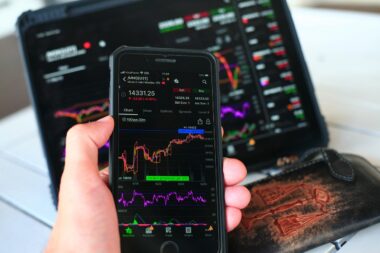

Optimizing Trade Execution with Advanced Order Management Tools
In the world of stock trading, achieving rapid and efficient trade execution is paramount. As the market landscape evolves, advanced order management tools have emerged as essential resources for traders seeking to enhance their execution strategies. These tools enable traders to monitor real-time market conditions, adjust their orders, and ultimately, make informed trading decisions. A trader’s ability to optimize trade execution can significantly impact their overall success in the stock market. By utilizing advanced features such as conditional orders, smart routing, and customizable settings, traders can tailor their approaches to fit their specific needs. Furthermore, integrating robust analytics and performance tracking can improve understanding of past trades and aid in making necessary adjustments in future transactions. Ultimately, the proper use of order management tools allows traders to navigate the complexities of the stock market more effectively, ensuring that they capitalize on opportunities without unnecessary delays or losses. This competitive advantage can lead to increased profitability and a lower risk profile for savvy traders who embrace technology in their trading practices.
Alongside the aforementioned features, another crucial aspect of advanced order management tools is their ability to provide traders with various order types. Different order types, such as limit orders, stop orders, and market orders, each serve unique purposes and can be strategically deployed depending on market conditions. For instance, limit orders allow traders to specify the price at which they are willing to buy or sell, ensuring that they do not execute trades at unfavorable prices. On the other hand, stop orders can be used to limit potential losses by triggering an action when a stock reaches a certain price point. Implementing an appropriate mix of order types can be instrumental in managing risk and maximizing returns. Education and familiarity with these tools are vital, as traders must understand how to leverage different order types to their advantage. By honing this knowledge, traders can confidently navigate volatile markets, achieving their trading goals more efficiently. Adopting a comprehensive view of order management tools enhances a trader’s overall approach to the stock market and positions them for long-term success.
Benefits of Advanced Order Management
The benefits of advanced order management tools extend beyond simply executing trades efficiently. Integrating these tools into a trader’s workflow promotes a deeper understanding of market dynamics and enriches trading strategies. With features that provide real-time data analysis, traders can assess market conditions, identify potential opportunities, and anticipate swings in stock prices. Moreover, effective order management facilitates the implementation of risk management protocols. By having the ability to set stop-loss and take-profit levels strategically, traders can protect their investments and optimize their profitability. Additionally, these tools often come equipped with analytical capabilities that allow for performance tracking over time, helping traders analyze their success rates and adjust their strategies accordingly. Enhanced decision-making becomes paramount when traders have access to comprehensive insights, which can lead to improved outcomes. Thus, embracing advanced order management tools not only streamlines trade execution but cultivates a more informed and strategic trading approach that leads to better overall results.
Furthermore, the integration of advanced order management tools often results in improved psychological aspects of trading. By automating certain aspects of the trading process, such as executing trades at predetermined levels, traders can reduce the emotional stress associated with decision-making in precarious market situations. Emotions such as fear, greed, and impatience can cloud judgment, leading to suboptimal trading choices. With automated orders, traders can execute their strategies without second-guessing themselves during moments of volatility. This, in turn, promotes discipline in their approach and enables traders to adhere to their plans consistently. Maintaining composure and sticking to the established trading strategies are essential components of long-term success in the stock market. This psychological edge, facilitated by advanced order management tools, empowers traders to make rational decisions and mitigate emotional pitfalls. As such, incorporating technology into trading practices not only enhances execution efficiency but also fosters a more resilient trading mindset, equipping traders with the skills needed to flourish.
Choosing the Right Order Management Tools
Selecting the right order management tools is a critical step for traders looking to optimize their execution strategies. Given the plethora of options available, it is vital to consider features that align with individual trading styles, objectives, and risk tolerance. From simple platforms that offer basic functionalities to advanced software with a wide array of customizable features, the choice greatly influences trading experiences. Aspects such as user-friendliness, compatibility with other trading systems, and the availability of relevant educational resources should be evaluated. Traders should invest time in research and comparison of different tools, ensuring they select those that fit their specific requirements. Additionally, evaluating testimonials and user feedback on different platforms can provide valuable insights into their effectiveness. Embracing a well-rounded decision-making process leads to enhanced trading performance and satisfaction. By choosing the right order management tools, traders gain a solid foundation upon which to build their trading strategies, optimize execution, and maximize their chances of success in the stock market.
Another factor to consider when optimizing trade execution is the importance of continuous learning and adaptation. The financial markets are inherently dynamic, meaning that traders must stay informed about changes in market trends, regulations, and available technologies. Engaging in regular education—whether through online courses, webinars, or reading relevant literature—can provide traders with the necessary knowledge to make data-driven decisions regarding their order management practices. Furthermore, attending industry conferences and participating in trading communities allow traders to exchange ideas, share experiences, and learn from each other. This commitment to learning fosters a growth mindset, which is crucial for success in the increasingly complex world of stock trading. Adapting order management strategies as new information emerges is fundamental to maintaining a competitive edge. Hence, traders should prioritize ongoing education and adaptability, ensuring they are well-prepared for the ever-evolving nature of the stock market and its associated challenges.
Conclusion
In conclusion, optimizing trade execution through advanced order management tools is a crucial endeavor for traders looking to enhance their performance in the stock market. By leveraging technology’s capabilities, traders can gain a competitive advantage and navigate the complexities of market conditions more effectively. The incorporation of diverse order types, risk management features, and automated execution allows experienced traders to craft strategies tailored to their specific needs. Moreover, the psychological benefits coupled with continuous learning ensure that traders remain disciplined and informed, empowering them to adapt as conditions change. Through careful selection of suitable tools, ongoing education, and a commitment to evolving their strategies, traders can position themselves for success in the competitive world of stock trading. The key lies in not only understanding these tools but effectively implementing them within a cohesive trading plan. With the right approach, advanced order management tools can lead to increased profitability, reduced risks, and ultimately a fulfilling trading experience that aligns with personal goals in the stock market.
In the dynamic landscape of stock markets, effectively navigating trades is essential for achieving desired financial outcomes. This article delves into how advanced order management tools can enhance trade execution through diverse functionalities and strategic advantages. By implementing various order types, traders can tailor their strategies effectively, mitigating risks while enhancing potential returns. The market fluctuations demand swift decision-making, which advanced tools enable by offering real-time analytics and performance tracking. This prevents traders from succumbing to emotional pitfalls and supports the objectivity needed for successful trading. Furthermore, choosing the right tools based on specific trading styles enables customization that resonates with individual trader characteristics. Additionally, the continuous evolution of technology necessitates a commitment to ongoing learning and adaptability to ever-changing market conditions. Therefore, understanding and utilizing these order management tools not only provides enhanced execution but fosters a strategic mindset conducive to long-term success in stock trading. Overall, the essence of optimizing trade execution lies in the intelligent application of technology and the progressive adoption of best practices tailored to the unique needs of each trader.