
Mobile Wallets and Their Marketing Potential in Finance
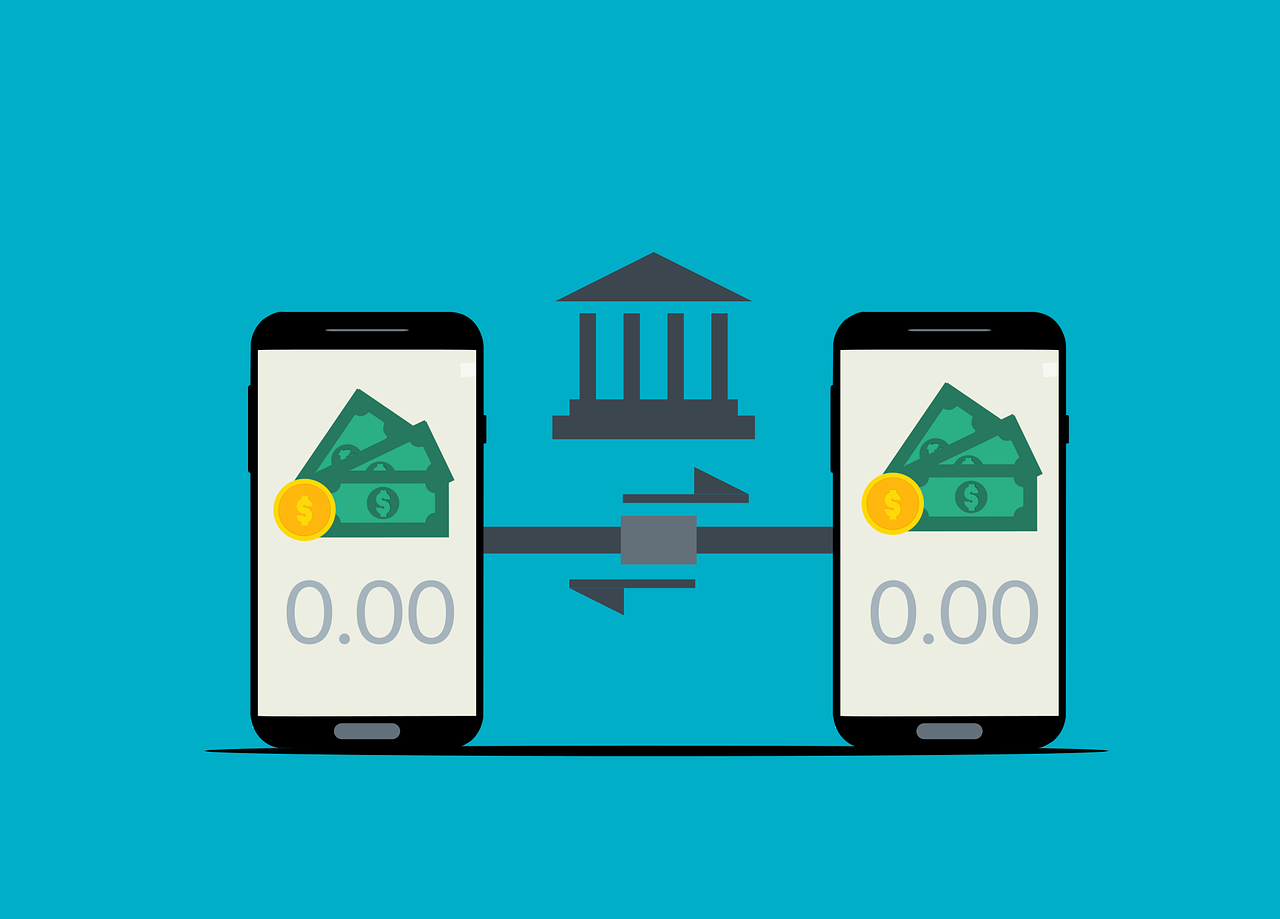
Mobile wallets have transformed the landscape of financial transactions in recent years. These digital alternatives allow users to make secure payments, store loyalty cards, and manage personal finances through their smartphones. The rise of mobile wallets speaks volumes about consumer preferences shifting towards more convenient payment methods. This change is driven by increased smartphone usage worldwide, leading to a dramatic increase in adoption rates. Modern mobile wallets integrate various features, such as peer-to-peer transfers, enabling users to send money directly to friends, family, or businesses effortlessly. The simplicity of the user interface enhances user experience, catering to a broader demographic, including older segments unfamiliar with digital finance. Thus, the marketing potential for financial service providers is immense. These providers can leverage mobile wallets not just for transactions but also for targeted marketing campaigns. By analyzing user behavior, they can send personalized offers, notifications, and incentives directly to users. In this rapidly evolving landscape, companies are investing heavily in mobile wallet technology to enhance customer engagement and foster loyalty.
Key Advantages of Mobile Wallets
There are several key advantages of utilizing mobile wallets for both consumers and businesses in the financial sector. First, they provide enhanced security measures, employing encryption and biometric authentication to safeguard user information. Customers can rest easy knowing that their data is protected, reducing concerns regarding identity theft and fraud. Furthermore, mobile wallets streamline the payment process, allowing for quick transactions that minimize wait times both in stores and online. For businesses, this efficiency can lead to higher customer satisfaction and retention. A prominent aspect is the ability to integrate loyalty programs seamlessly. Users can store rewards cards digitally, earning perks with every purchase, which benefits businesses through repeat transactions. Moreover, companies can gather data on purchasing patterns through mobile wallets, enabling informed decision-making regarding promotional strategies. As mobile wallets continue to gain traction, financial institutions should prioritize their development to meet evolving consumer expectations. By embracing technological advancements, financial entities can create innovative solutions and comply with ever-changing regulations in the digital payments landscape. Overall, mobile wallets present an unparalleled opportunity for enhancing customer interactions.
The evolution of mobile wallets has significantly influenced marketing strategies deployed by financial institutions. Traditional marketing methods are becoming less effective as consumers increasingly engage with digital channels. Financial companies must pivot to more interactive and data-driven marketing tactics that leverage mobile wallets’ capabilities. One effective strategy is to launch app-based advertisements directly through the mobile wallet platforms. These ads can promote financial products, services, or limited-time offers tailored to users’ specific interests and purchasing behavior. Additionally, brands can utilize notifications and alerts to keep customers informed about benefits or new features. Furthermore, gamification elements can be implemented to encourage user engagement, making the financial experience more enjoyable and rewarding. Offering incentives for active app usage or rewarding users for achieving spending milestones can help foster a greater connection with the customer base. By integrating these tactics into mobile wallet marketing strategies, financial firms can efficiently engage their audiences while establishing meaningful relationships. As mobile wallets continue to expand their reach, they will become an inseparable component of comprehensive marketing plans.
Challenges in Mobile Wallet Adoption
Despite the remarkable growth of mobile wallets, many challenges hinder their widespread adoption. Users often express concerns about security and privacy, which can impede their willingness to adopt the technology fully. Financial institutions must address these apprehensions by educating consumers about security protocols and implementing robust measures to protect sensitive information. Moreover, some consumers face barriers due to a lack of proper understanding of how mobile wallets work, creating a need for comprehensive educational resources. Successful onboarding and support can help alleviate these challenges, as financial institutions guide users through the capabilities of mobile wallets. Additionally, not all financial entities support mobile wallet transactions, creating compatibility issues for users across different platforms. To ensure smoother transactions, partnerships must be formed between wallet providers and merchants. The digital divide also persists, as not everyone has access to smartphones or the internet, limiting the reach of mobile wallets. To overcome these barriers, companies must adopt a multi-faceted approach, including consumer education and diverse promotional strategies, to enhance acceptance rates. Only then can the full potential of mobile wallets in finance be realized.
The integration of emerging technologies significantly shapes the future of mobile wallets in the finance sector. Innovations such as artificial intelligence (AI) and blockchain are paving the way for enhanced functionalities and improved security. AI can play a vital role in personalizing user experiences, analyzing data to predict consumer behavior and preferences. This allows financial institutions to tailor their offerings and improve customer satisfaction. Similarly, blockchain technology brings decentralized security measures that can enhance transaction transparency and lower fraud risks. The use of smart contracts in mobile wallets can streamline processes, enabling automated execution of agreements between parties. As these technologies develop, the financial landscape will continue to evolve, driving further adoption of mobile wallets. Companies that embrace these innovations will gain a competitive edge by attracting tech-savvy consumers looking for advanced solutions. The collaboration between financial institutions and technology providers will be crucial in integrating these innovations effectively. Ultimately, the persistent evolution of mobile wallets reflects the need for businesses to stay agile in meeting consumers’ dynamic demands, ensuring they remain relevant and valuable.
The Role of Consumer Behavior in Mobile Wallet Trends
Understanding consumer behavior is pivotal for financial institutions aiming to harness the full potential of mobile wallets. Analyzing usage patterns, preferences, and attitudes towards digital payments can provide valuable insights that inform marketing strategies. For instance, data shows that younger generations are more inclined to adopt mobile wallets compared to older demographics, who may still prefer traditional banking methods. Financial companies need to prioritize educating older customers on mobile wallet benefits, easing their transition into the digital payment space. Moreover, consumer behavior impacts design choices and user interfaces, with a demand for easy-to-navigate applications. Feedback from users can be utilized to enhance functionality and ensure a pleasing user experience. Social media also significantly influences consumer perceptions, as potential users often seek information from peers regarding mobile wallet experiences. By fostering positive online reviews and testimonials, financial institutions can bolster their reputability. Continuous research into evolving consumer trends is essential to future-proof mobile wallet offerings. In this context, mobile wallets remain adaptable, allowing them to cater to diverse consumer needs while maximizing potential market reach.
In conclusion, mobile wallets represent a powerful tool for transforming financial marketing strategies. Their ability to facilitate seamless transactions while simultaneously gathering user data presents an unparalleled opportunity for financial institutions. By crafting personalized marketing campaigns tailored to individual preferences, organizations can nurture deeper connections with customers. However, companies must approach mobile wallet innovation with caution, prioritizing user security and education to ensure widespread adoption. Furthermore, embracing emerging technologies, understanding consumer behavior, and addressing challenges will remain essential components in maximizing mobile wallets’ potential. The financial industry’s gradual shift towards digitalization underscores the need for continued adaptation and responsiveness to consumer demands. As this trend evolves, mobile wallets will likely continue shaping how consumers engage with their finances. Financial institutions that successfully leverage mobile wallet technology are more likely to thrive in a competitive marketplace. Developing multichannel strategies that incorporate mobile wallets into overall financial offerings can lead to sustained business growth. Therefore, the future of mobile wallets in finance looks promising, with abundant opportunities waiting to be explored.
In the ever-evolving digital finance landscape, mobile wallets stand out as a dynamic force. These digital solutions not only simplify transactions but also incorporate innovative marketing strategies. As trends shift, so do consumer preferences. Financial institutions seeking success in this rapidly changing market must adapt their approaches to harness the full range of mobile wallet capabilities.