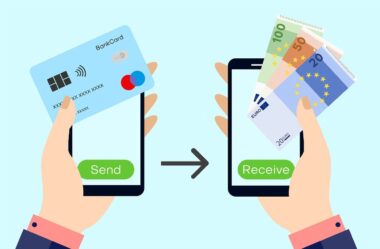

Is a Balance Transfer Card Right for Your Debt Situation?
For anyone dealing with credit card debt, a balance transfer card can seem like an attractive solution. These cards allow consumers to move their existing credit card balances, usually at a significantly lower interest rate, sometimes even 0%, for a promotional period. This can provide much-needed relief for someone who is struggling with high rates on their current debt. However, before you jump into using a balance transfer card, it is essential to evaluate your specific debt situation. Such evaluation can ensure that you make an informed choice that aligns your financial goals. Assess your current interest rates, total debt amount, and whether you can commit to paying off the balance within the promotional period. If you find that the terms are favorable and you can indeed pay it off, it could be a smart option for debt reduction. Yet, if there are high transfer fees or other negative factors, it may not be the best solution. Creating a comprehensive debt repayment strategy is vital to address underlying financial issues.
To maximize the benefits of a balance transfer card, understanding its pros and cons is crucial. One significant advantage is the potential for lower interest rates, which can aid in paying down your debt faster. Moreover, many balance transfer offers include no transaction fees during the promotional period, allowing you to focus solely on payments. Additionally, consolidating multiple debts into a single payment can simplify your finances, making it easier to manage your budget. However, balance transfer cards also have drawbacks. You may face an initial transfer fee ranging from 3% to 5% of the transferred amount. If you fail to pay off the balance within the promotional period, higher interest rates will apply to any remaining balance. Additionally, missing payments may lead to penalties and a potential increase in your APR. Consider these factors to determine if you can adhere to a debt repayment plan effectively. If executed well, a balance transfer card can be the gateway to debt freedom by helping you manage your financial situation more effectively.
Another essential thing to explore is whether your credit score qualifies you for a balance transfer card. Most credit card issuers require a good to excellent credit score for their best offers. If you’re unsure about your score, check your credit report and ratings before applying. If your credit is below the needed threshold, you may not qualify for favorable terms, making it challenging to save money through a transfer. If you do qualify, remember that each application could slightly impact your score, depending on how many you undergo. Research various options from different financial institutions to find the best suit for your needs. Many banks offer promotional rates for twelve to eighteen months; however, the terms differ significantly from one card to another. Ensure you read the fine print to comprehend your responsibilities fully. Some cards offer benefits like cash back or rewards points for purchases. Make sure to evaluate these features alongside interest rates when assessing your options for transferring your balance effectively.
Making the Most of a Balance Transfer
Once you have secured a balance transfer card, creating a plan is essential for successful debt reduction. Start by listing out all your debts, their interest rates, and the payment due dates. This comprehensive overview will help you prioritize your payments and allocate funds appropriately. Ideally, the goal is to pay down the balance on the new card before the promotional rate period elapses. Utilize automatic payments to ensure no missed due dates, which could result in penalty fees or a shift in your APR. It’s also wise to carve out a budget for managing your expenses during this time, helping you to avoid accumulating new debt while focusing on repayment. Keep track of your progress to stay motivated; celebrate small victories along your repayment journey. Regularly check your statements to ensure payments are processed correctly. By maintaining discipline and focusing on your goal, a balance transfer card can enable you to pay off considerable debt loads and pave the way for improved financial health in the long run.
If you find yourself continually relying on credit cards, it may indicate that lifestyle adjustments are necessary. Often, creating a budget and identifying unnecessary expenditures can dramatically impact your savings potential. Analyze your spending habits to identify possible areas for cutbacks. Consider enlisting the help of financial planners or online apps that can assist in creating an effective budget plan. Some people benefit from the envelope system, wherein different expenses are allocated specific cash amounts to manage spending. Implement these strategies in conjunction with your balance transfer card approach to foster financial discipline. You may also consider enhancing your income through side jobs or freelance tasks. Every bit of extra money can go towards paying off your debt. Fostering a mindset focused on long-term goals can help maintain motivation during challenging times. A combination of budget management, a well-planned balance transfer, and a commitment to reducing unnecessary expenses can work wonders toward becoming debt-free and ensuring financial peace.
When to Avoid a Balance Transfer Card
While balance transfer cards can offer a solid solution for many facing debt, some situations warrant caution. If you have a tendency to overspend, it could make you more vulnerable to accumulating new debt. Furthermore, if you struggle with a consistent payment history, consider whether the risks outweigh the benefits. For those still rebuilding their credit, seeking other debt relief options like credit counseling or a debt management plan may be more beneficial in the long run. Additionally, if a balance transfer card doesn’t offer a significant reduction in total interest payments or there are more fees involved, reassessing your decision is warranted. Be on the lookout for introductory offers that do not suit your lifestyle or financial habits. Moreover, if your credit card balance is relatively low, paying it down manually could sometimes be more cost-effective. Always weigh your options carefully by taking a holistic view of your financial situation before committing to any balance transfer plan.
In conclusion, balance transfer cards can offer an effective way to manage and reduce debt, but they require careful consideration and planning. Before applying for one, assess your financial situation to make an informed decision that aligns with your objectives. Understand the specific terms associated with various cards and prioritize those that best fit your needs, particularly in terms of fee structures and promotional rates. Staying committed to a budget and tracking spending can further enhance your success with debt repayment. It’s crucial to approach the situation holistically, addressing both your spending habits and identifying areas where you can cut back. If you find that balance transfer cards are not suitable for your circumstances, explore alternatives like debt consolidation or seeking advice from professionals. Ultimately, achieving financial health requires dedication and responsibility, regardless of which path you choose. Balance transfer cards can be a valuable tool when wielded carefully, providing a path for those ready to tackle their debts strategically.
By educating yourself on financial management basics and leveraging available resources, improving your financial situation is within reach. Whatever method you choose, foster a mindset focused on long-term stability, rather than short-term solutions. In combination with a balance transfer card, the proper strategy can make living a debt-free life a tangible goal.