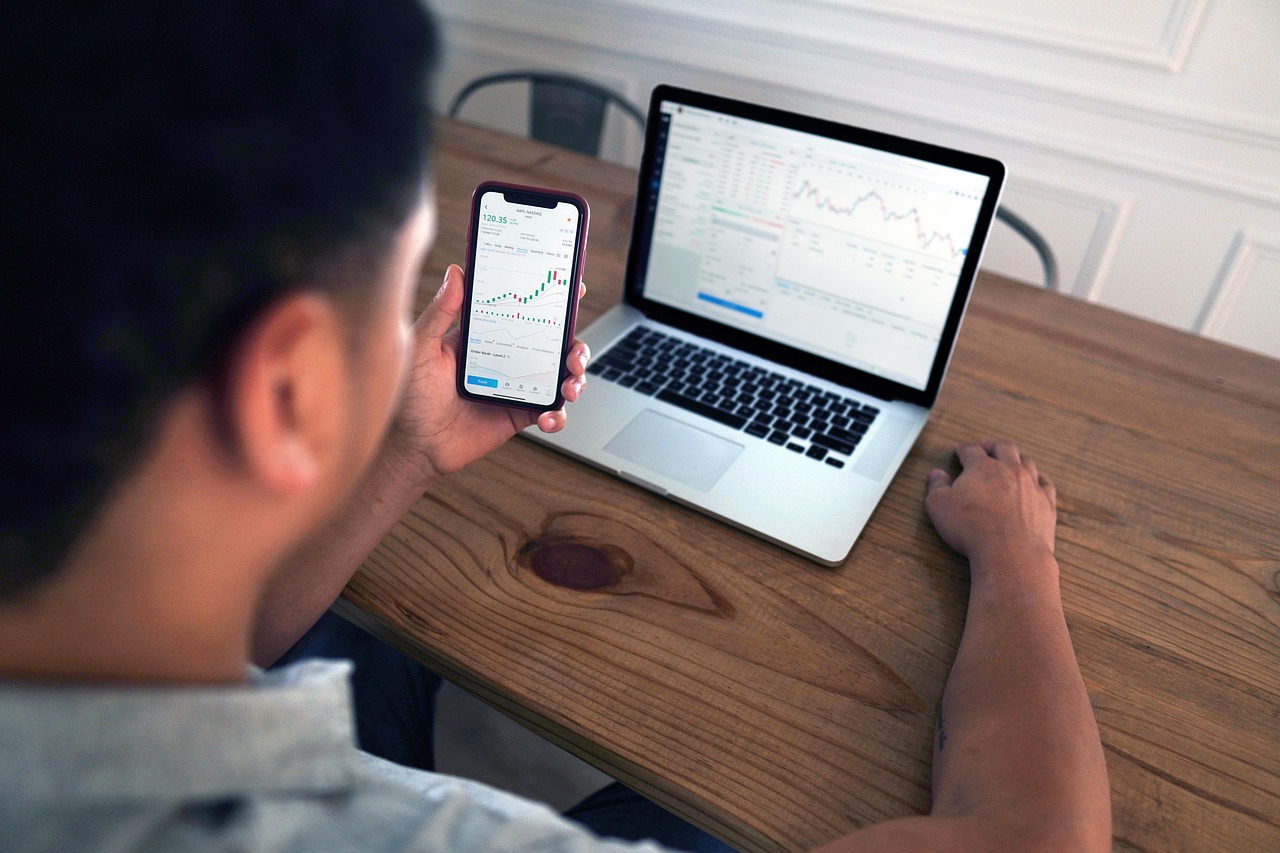

Overconfidence in Trading: Real-World Examples
Overconfidence is a cognitive bias that significantly impacts trading behaviors among investors. Many traders exhibit an inflated sense of their knowledge or ability to predict market movements, often leading them to take unnecessary risks. An example of this can be seen in the behavior of day traders who, equipped with limited insights, often make rapid trades based on gut feelings rather than thorough analysis. This overestimation of their skill level can result in substantial losses. A classic illustration of overconfidence can be found in the internet bubble of the late 1990s, where numerous investors believed they could easily predict the rise of technology stocks. Many of these individuals entered trades without adequate research, leading to enormous financial loss when the bubble burst. Behavioral finance research indicates that overconfidence in trading not only affects individual decision-making but also influences market trends, contributing to phenomena such as asset bubbles and crashes. To understand overconfidence, it’s essential to recognize how emotional biases drive opinions, leading market participants to overestimate their understanding and prediction capabilities, ultimately distorting market efficiency.
Another concrete instance of overconfidence in trading occurred during the financial crisis of 2008. Many investors believed they could foresee the trajectory of housing markets and mortgage-backed securities. They took high-risk positions based on speculative forecasts, convinced that their market judgments were superior. Financial institutions also displayed similar overconfidence, assuming they comprehended risk factors more thoroughly than they truly did. As the housing market began to decline, these overconfident beliefs led to a widespread crisis, with massive investments collapsing and resulting in severe losses for many. In hindsight, many of these investors reflected on their flawed judgments, recognizing that their overconfidence blinded them to the risks they were taking. The crisis serves as a stark reminder of the potential consequences of overconfidence in trading. Investors often need to reevaluate their strategies and risk assessments. Managing emotional biases is crucial for traders aiming to navigate the market successfully. This case underscores the need for education on risk management principles, allowing investors to adopt a more calculated approach rather than relying on overconfident beliefs.
Case Studies: Overconfident Traders
Various case studies illustrate how overconfidence adversely affects trading outcomes. One notable example involves professional traders in large investment firms who exhibit high levels of self-assurance when making trading decisions. These traders may disregard sound strategies and rely on their instincts, believing they can outperform the market consistently. Research has shown that this overconfidence can lead to significant financial setbacks. In certain circumstances, these traders may perform well for extended periods, reinforcing their confidence and potentially blinding them to emerging market risks. Another case involved a hedge fund manager in the early 2000s, who continually made aggressive trades based on overly optimistic projections of technology stocks. When the bubble burst, the fund suffered catastrophic losses. Such experiences highlight the persistent nature of overconfidence—a tendency to ignore negative feedback on their trading strategies, believing they are immune to statistical realities. The negative consequences of these behaviors can lead to not only personal financial ruin but also broader market volatility if multiple individuals act similarly under the influence of overconfidence in their trading decisions.
Moreover, the tech industry presents another vivid case of overconfidence. When examining startup investors, many exhibit pronounced overconfidence about their ability to gauge risky technology ventures. Despite a lack of substantial evidence, such investors often plunge funds into emerging startups based on tenuous assumptions about scalability and potential success. In the early 2000s, countless investors blindly funded tech companies based solely on speculation rather than fundamental analysis. When these businesses faltered, it resulted in widespread investor losses. This phenomenon illustrates the role of overconfidence in venture capitalism, where investors neglect thorough due diligence processes, believing their intuition is sufficient. Overconfidence can also manifest during bullish market trends when the potential for losses seems minimal. Investors may, therefore, succumb to the belief that they cannot lose, leading to imprudent financial decisions. Addressing overconfidence among investors remains vital because it can exacerbate market fluctuations and hinder rational decision-making. Understanding behavioral finance is essential for fostering a balanced investment approach, where confidence is tempered with critical assessment and analytical thinking, reducing the likelihood of overestimation in trading capabilities.
Psychological Mechanisms Behind Overconfidence
The psychological mechanisms influencing overconfidence in trading are multi-faceted and deeply embedded in human cognition. One prevalent factor is the illusion of control—where traders believe they can control or influence outcomes that are fundamentally unpredictable. This mindset promotes excessive risk-taking and can lead to devastating financial consequences. Moreover, self-attribution bias further exacerbates this illusion. Traders often attribute their successful picks to their own abilities while blaming external factors for unsuccessful trades, reinforcing their confidence unjustifiably. This biased retrospect can lead to a cycle of overconfidence, ultimately distorting their future investment decisions. Research has shown that even experienced professionals are not immune to these biases, often leading to overtrading and investing in poorly researched assets. The fear of missing out (FOMO) also contributes to overconfidence, driving traders to make impulsive decisions during market surges. In a volatile market, the combination of these psychological factors can create perfect conditions for inflated confidence levels. Thus, it is crucial for traders to be aware of these tendencies, implementing strategies for mitigating overconfidence while enhancing critical analysis and self-reflection in their trading practices.
Additionally, consistent exposure to market successes can reinforce overconfidence in traders over time. When traders experience a streak of profitable trades, they may erroneously conclude they possess exceptional predictive abilities. This skewed perception often leads to unsustainable trading practices, increasing the chances of severe losses during market downturns. Frequent short-term gains foster a false sense of security. Research indicates that once traders enter a phase of over-confidence, any negative market feedback is often disregarded, leading them to double down on their ineffective strategies. This persistent approach can exacerbate losses rather than mitigate them. Furthermore, inexperienced traders, without a solid grasp of market principles, are particularly susceptible to the skewed perception of their knowledge, resulting in impulsive decisions. Case studies have indicated how many retail investors, drawn in by initial success, often escalate their risk amid blindly optimistic trading patterns. Therefore, recognizing the need for systematic evaluation methods is essential. Establishing objective criteria for assessing trades can guide investors, encouraging a more rational approach to mitigate the overwhelming influence of overconfidence in trading endeavors.
Strategies to Combat Overconfidence
Combating overconfidence in trading requires a multifaceted approach aimed at fostering self-awareness and promoting rigorous analysis. One effective strategy is to keep a trading journal, documenting the reasoning behind each trade to encourage reflection and accountability. By examining past decisions—both successful and unsuccessful—traders can identify patterns of overconfidence and recalibrate their judgment accordingly. Additionally, seeking diverse opinions and critique from peers can provide valuable insights, helping to counteract personal biases. Engaging in simulation trading environments can instill a more realistic understanding of risk management, deterring excessive impulsiveness. Furthermore, setting strict risk limits on trades will force traders to adhere to disciplined strategies, circumventing overconfident behavior. Implementing these risk management practices not only mitigates the ill effects of overconfidence but also enhances overall trading effectiveness. Continuous education on market dynamics can be instrumental in equipping traders with critical analytical frameworks, fostering a mindset that values thorough research over blind confidence. Ultimately, cultivating humility in one’s trading abilities and embracing a learning attitude can significantly reduce the detrimental impacts of overconfidence on trading outcomes.
In conclusion, overconfidence significantly shapes trading decisions, influencing outcomes on both individual and market levels. Real-world examples, such as the tech bubble and various case studies, illustrate the perilous consequences of this cognitive bias. The mechanisms underpinning overconfidence—illusion of control, self-attribution bias, and the fear of missing out—often distort traders’ perceptions of their abilities. As a result, effective strategies aimed at combating overconfidence are vital for improving trading performance. By implementing reflective practices, engaging with peer feedback, and investing in continual education, traders can harness more rational decision-making processes. This balanced approach will help to mitigate the risks associated with overconfidence while promoting a more disciplined and informed trading culture. As we explore the complexities of behavioral finance, it is crucial to look beyond mere market fluctuations, recognizing how psychological factors profoundly shape investor behavior. By understanding these cognitive biases, individual traders can work towards cultivating humility, better equipping themselves to navigate markets without falling prey to overconfidence-driven errors.