
Understanding Unit Prices to Make Better Grocery Decisions
When shopping for groceries, understanding unit prices is crucial for making informed purchasing decisions. Unit pricing displays the cost per item or per specified measure, such as per ounce, liter, or pound. By comparing unit prices, you can identify the best deals, ensuring you get the highest value for your money. This practice is beneficial not only for budgeting effectively but also for maintaining high-quality food choices for your family. While shopping, it’s essential to gather all product information, including promotional offers and discounts. However, focusing solely on sale tags can lead to miscalculations. Instead, study the unit prices displayed, and use a calculator if necessary. Take note that frequently, larger packages may initially seem like the better deal, but a careful unit price estimation can reveal the truth. When in the grocery aisle, use your smartphone to track unit prices for easier comparisons. This approach enables savvy shoppers to prioritize essential items while ensuring they remain within their budget without sacrificing quality. Ultimately, understanding unit prices enhances your grocery shopping experience and contributes to a more strategic approach to saving money.
Incorporating unit pricing into your grocery shopping routine can significantly improve your decision-making process. Many retailers provide the unit price on the shelf label, making it accessible for you to evaluate costs. However, some stores have inconsistent labeling, which can complicate your comparison efforts. Additionally, considering generic brands alongside name brands will often yield lower unit costs without compromising quality. In fact, many generic items are produced under the same conditions as their more expensive counterparts. To strengthen your decision-making capabilities while shopping, make a simple chart or list of the frequently purchased grocery items and their respective unit prices. Knowing these numbers facilitates quick comparisons while shopping. Furthermore, be mindful of seasonal price changes; items may vary in cost due to availability or promotional periods. Lastly, not all products are straightforward, as bulk items may carry hidden costs. Always read the fine print and verify if the bulk item’s unit price provides genuine savings. This organized approach will empower you as a consumer, allowing for more profound satisfaction when deciding what products to buy.
The Importance of Price Comparisons
Price comparisons between similar products can be essential for maximizing savings during grocery shopping trips. This includes taking time to evaluate various brands of the same item and assessing their unit prices. A basic understanding of product differentiation can help you recognize which elements impact price and which do not. For example, organic products often carry higher price tags, yet many consumers are willing to invest more in these options due to perceived health benefits. However, it is vital to evaluate whether these enhancements justify the extra costs through unit price assessments. You can also leverage reputable comparison websites or mobile applications that simplify the process by showcasing unit prices across various retailers. These tools enable shoppers to see which store has the best price for their desired items before setting foot in the store. By taking advantage of this technology, you can streamline the grocery shopping experience and ensure greater savings over time. Consequently, frequent comparisons will refine your habitual grocery shopping approach, allowing for a more strategic and financially advantageous experience.
Additionally, understanding the psychology behind pricing can further enhance your grocery shopping strategies. For instance, many consumers fall for marketing tactics like pricing that ends in .99, perceiving them as better deals. However, this strategy can cloud your judgment when comparing true unit prices across various stores and brands. It’s essential to train yourself to look past these marketing ploys and focus more on actual product value. Alongside unit pricing, create a grocery budget each month. Allocate funds for essential items, including produce, proteins, and pantry staples, while adjusting your budget based on previous spending patterns. As you develop your budget, factor in potential deals on seasonal items, allowing flexibility for savings opportunities. Don’t hesitate to buy in bulk for items on sale that you regularly use, as long as it serves your family’s needs without adding unnecessary waste. Be vigilant about expiration dates and consider storage space for bulk purchases. With persistent evaluation of your unit price comprehension, you can confidently navigate the grocery aisles, ensuring both quality and affordability in each transaction.
Leveraging Sales and Promotions
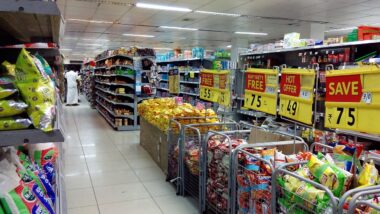
To maximize your savings while effectively utilizing unit prices, be attentive to sales and promotions offered by your grocery store. Many retailers highlight items on sale with special signage, clearly indicating their reduced prices. Combine this information with unit price comparisons to ascertain genuine savings, preventing impulse purchases that can derail your budget. Consider becoming a member of the grocery store loyalty program, enabling access to exclusive promotions, discounts, and digital coupons. Such initiatives often result in significant savings, especially for regular shoppers. Additionally, signs advertising buy-one-get-one offers may seem enticing, yet it’s crucial to evaluate the actual unit cost to determine if it represents a significant savings opportunity. Upon reviewing your store’s weekly circular or app, identify items marked for clearance. Clearance sections often feature discounts on items nearing their expiration date, which can be excellent for items you plan to use soon or can freeze for later use. Ultimately, by combining promotion awareness with diligent unit price calculations, shoppers will significantly enhance their purchasing power and product variety.
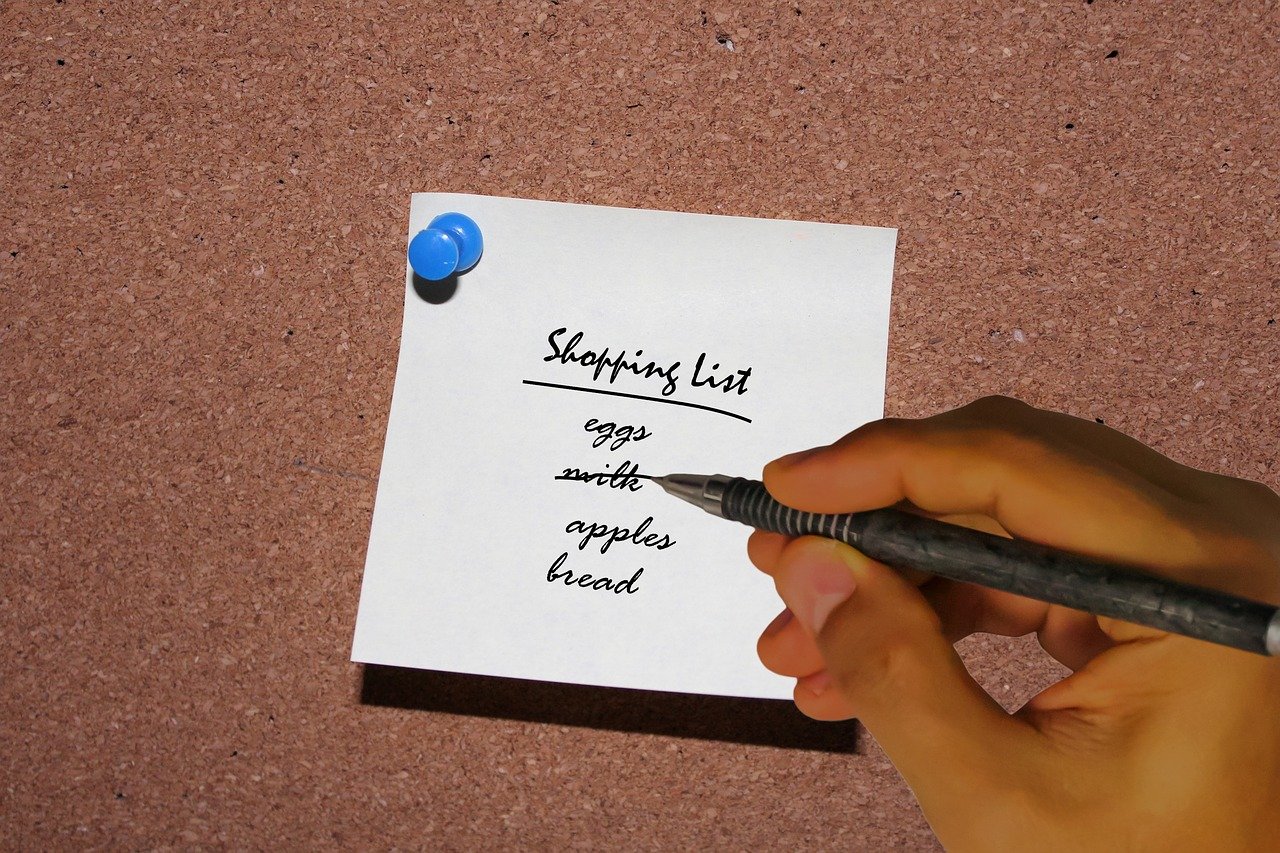
Additionally, consider the benefits of planning your meals around weekly grocery store specials for optimized savings. By selecting recipes that utilize discounted or seasonal ingredients, you can integrate affordability and health into your meal planning. This strategy effectively reduces waste while ensuring you maximize the value for your grocery dollars. Before heading out to shop, make a detailed grocery list based on your meal plan, which reflects both unit prices and currently available promotions. Keeping your focus on this plan empowers you to make thoughtful purchases instead of haphazard selections. As you plan your meals, assess which items can be prepared in larger quantities, encouraging batch cooking and the use of leftovers throughout the week. This extends your grocery purchases, promoting less frequent shopping trips and ultimately yielding further savings. Furthermore, get creative with ingredient substitutions to provide variety in your meals without straying from your budget. By incorporating these meal planning techniques alongside unit price knowledge, you can shape a sustainable and economical grocery shopping routine that serves your family well.
Final Thoughts on Smart Grocery Shopping
In conclusion, mastering unit prices is an invaluable skill in the realm of smart grocery shopping. By diligently comparing unit prices, leveraging sales and promotions, and developing unit-based meal plans, consumers can effectively take charge of their grocery expenses. Embracing these strategies empowers individuals to prioritize quality while staying within their financial limits. It’s crucial to remain discerning while evaluating the value of each product based on its unit price in relation to personal needs and consumption habits. Ultimately, this knowledge equips shoppers with the ability to outsmart traditional marketing tactics, leading to more informed decisions throughout their grocery shopping experiences. As you continue your journey towards smarter shopping, remember that practice makes perfect. Regularly applying these principles will enhance your skills and confidence in making better grocery decisions. In this way, grocery shopping transforms from a mere chore into a rewarding experience that echoes broader financial responsibility. Each choice you make not only benefits your wallet but contributes to a sustainable lifestyle. With this approach in mind, engage in your next grocery trip with a renewed sense of purpose and awareness.
Embarking on the path of smarter grocery shopping entails understanding unit prices and evaluating your product choices with discernment. Keeping a keen eye on unit prices enhances your ability to identify bargains and maximize your grocery budget. By practicing patience and resilience while navigating store aisles, you can create a rewarding shopping experience that supports your family’s needs without excess. The journey to becoming a savvy shopper begins with knowledge, determination, and a willingness to adjust your approach. As you refine these skills, remember that every change you implement contributes to a more extensive strategy for financial management. This learning process will help you understand how to implement a grocery shopping system that encourages long-term sustainability through mindful purchasing. In doing so, you not only empower your household but also positively impact the environment by minimizing waste. Adopting these behaviors encourages a more responsible and conscientious consumer culture. As you continue applying these strategies, celebrate the smaller victories along the way. Over time, your cumulative savings and healthier choices will serve as motivational reminders of the positive changes you’ve embraced.