
Debt Reduction Plans: Prioritizing Secured vs Unsecured Debts
Debt management is crucial in maintaining financial health. Understanding the difference between secured and unsecured debt is essential for any debt reduction plan. Secured debt refers to loans backed by collateral, like a home or car. In contrast, unsecured debt does not have any physical asset tied to it, such as credit card debt or personal loans. When creating a plan, knowing how to prioritize these debts can significantly impact financial stability and long-term goals. This understanding can help individuals or families make informed decisions about repayment strategies and overall financial management. It can also help in negotiating with lenders and determining which debts to tackle first. Individuals should evaluate their monthly budget, including income and expenses, to allocate funds appropriately for debt repayment. Smart prioritization can minimize interest payments and boost savings in the long run. By analyzing these factors, debtors can tailor a personalized strategy that addresses their unique needs, ensuring they successfully navigate the debt reduction process. Remember, the key to effective debt management lies in understanding the distinctions and implications of both secured and unsecured debts.
Understanding Secured Debt
Secured debt is characterized by collateral that borrowers offer to secure the loan. This collateral lays the foundation for lenders to ensure their investment is protected. If borrowers default on payments, lenders have the lawful right to claim the collateral. Examples of secured debt include mortgages and auto loans, where the house or vehicle serves as collateral. This backing tends to make secured loans easier to acquire, often leading to lower interest rates than unsecured options. However, the risk of losing the asset if payments lapse can cause stress for borrowers. Properly managing these obligations is crucial for financial health. One way to prioritize secured debts is by ensuring timely payments. Deferment or restructuring may also be options if one encounters financial hardship. Knowing when and how to approach negotiations with lenders can lead to more favorable repayment terms. It is essential to weigh the inherent risks of secured loans while devising a debt reduction strategy. Ultimately, securing loans can provide opportunities but requires diligence and a solid understanding of risks associated to protect valuable assets and avoid complications.
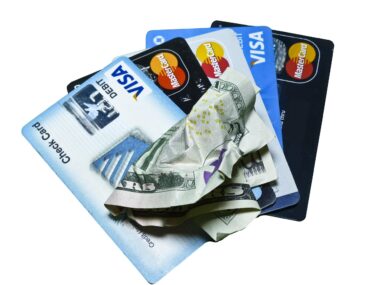
On the other hand, understanding unsecured debt brings a different set of considerations. Unsecured debt, unlike secured debt, is not tied to any collateral, meaning lenders cannot seize physical assets if borrowers default on their obligations. Common types of unsecured debt include credit cards, personal loans, and medical bills. This form of debt can often have higher interest rates due to its inherent risk to lenders. Borrowers planning a debt reduction strategy must recognize the potential long-term effects of high-interest payments associated with unsecured debts. Prioritizing these debts often involves evaluating interest rates and payment terms. An effective approach might involve paying off higher-interest accounts first while ensuring minimum payments on others. Additionally, borrowers can explore options such as balance transfers or debt consolidation. These tactics can help manage monthly payments efficiently, reducing overall financial strain. Creating a budget that accounts for both secured and unsecured debts will facilitate clear financial planning. Thoroughly understanding your financial landscape is vital in crafting an actionable debt reduction plan that leads to recovery and towards securing lasting financial health.
The Importance of Prioritizing Payments
Prioritizing debt payments is a critical aspect of any effective debt reduction strategy. Deciding which debts to tackle first can greatly influence financial recovery. A structured approach can help individuals manage their finances effectively, preventing further complications. Debtors must analyze the total outstanding debt amounts and prioritize based on interest rates and payment terms. This tactic aligns with a common strategy known as the debt avalanche or snowball method. Using the avalanche method focuses on paying off the debt with the highest interest rate first; it saves money over time. In contrast, the snowball method tackles the smallest debts first, boosting motivation through quick wins. Recognizing personal tendencies and motivations can aid in determining the right approach to prioritize payments. Additionally, consistently revisiting and adjusting payment plans can accommodate any changes in a debtor’s financial situation. Engaging with associated resources, such as financial counseling services or online calculators, can provide further insights into structuring efficient payment plans. Ultimately, making informed choices while prioritizing payments can enhance the overall outcome in debt reduction efforts.
Another vital aspect of reducing debt involves identifying appropriate payment methods for various debts. Knowing when to commit funds toward secured or unsecured debts can significantly impact financial management. Establishing a clear understanding of cash flow is crucial to forming an effective payment strategy. Utilize financial management tools or apps to track monthly expenses and income reliably. This allows borrowers to see where their money is going and how much they can allocate towards debt reduction. Consider setting up automatic payments for secured debts to avoid the risk of late fees and preserve collateral. For unsecured debts, explore the possibility of negotiating lower interest rates or even forgiveness options with lenders. Agreement on payment terms and understanding lender policies can encourage collaboration for a successful repayment plan. Sharing possible hardships with lenders helps to create a productive dialogue. Transparency is key in managing debts efficiently, leading toward complete financial recovery. Regular evaluations of payment arrangements allow borrowers to remain proactive in handling debts systematically and ultimately achieving greater peace of mind concerning their financial situation.
Finding Help and Resources
Finding the right help and resources when managing secured and unsecured debts is essential for successful debt reduction. Numerous organizations specialize in debt counseling, providing valuable guidance in creating personalized repayment strategies. Bankruptcy attorneys and financial advisors can also serve as supporting allies in navigating debt repayment. Online platforms offer resources and educational content aimed at enhancing financial literacy, empowering borrowers to make informed decisions. Understanding the rights and responsibilities associated with both secured and unsecured debts can further deepen borrowers’ knowledge. Resource access is not limited to evaluating repayment plans; often, community support groups can foster motivation during difficult financial times. Engaging with these communities can build networks that provide emotional support. Furthermore, utilizing budgeting apps and online calculators simplifies monitoring financial progress and aids in establishing realistic financial goals. These tools help in tracking repayment timelines, ensuring that debtors remain accountable for their financial decisions. Overall, leveraging community support, professional guidance, and technological advancements can enhance the journey towards debt relief, leading to a more stable and secure financial future.
In conclusion, understanding the significant differences between secured and unsecured debt is fundamental to creating an effective debt reduction plan. It empowers individuals to prioritize payments wisely, improving their financial health and stability. Recognizing the associated risks of secured debt while managing the high-interest nature of unsecured debt is crucial for borrowers. Effective communication with lenders, utilizing helpful resources, and leveraging technology can greatly enhance debt management strategies. By actively seeking assistance, individuals can explore various options to reduce overall debt burdens. Keeping an organized budget, evaluating repayment possibilities, and practicing disciplined financial habits can all lead to lasting change. The journey towards financial freedom often begins with just one step: educating oneself about debts and pursuing informed analysis and methods. Debt reduction is a gradual process but is achievable with a dedicated approach. Emphasizing the importance of clear strategy, timely payments, and seeking support helps foster success in any debt management endeavor. Ultimately, a solid understanding of the differences between secured and unsecured debt is necessary for long-term financial well-being, guiding borrowers toward a healthier and debt-free future.