
How to Maintain Your Vehicle Efficiently to Cut Transportation Costs
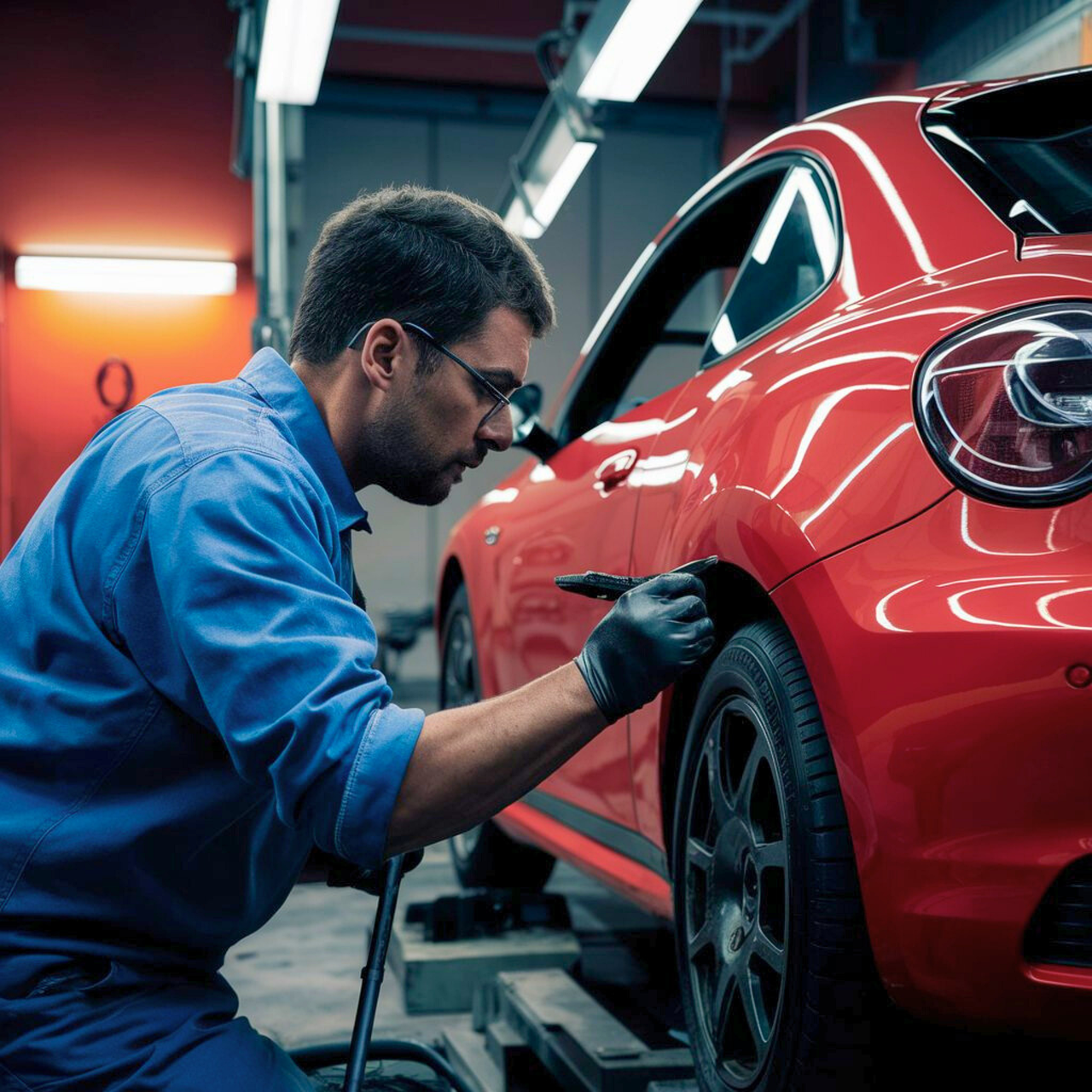
Maintaining your vehicle is a crucial aspect of managing your transportation expenses efficiently. Regular maintenance on your car ensures that it runs smoothly, which ultimately saves you money in the long run. One of the first things you should consider is checking the tire pressure frequently. Properly inflated tires not only enhance your vehicle’s safety but also improve fuel economy. Additionally, ensure that your engine is tuned, as this maximizes performance and reduces fuel consumption. Regular oil changes are vital too since clean oil optimizes engine performance. You might also want to explore changing your air filters, which can significantly affect your car’s efficiency. When your engine receives proper airflow, it runs more efficiently, ultimately using less gas. Furthermore, be sure to keep an eye on your brakes and fluid levels. Aside from basic maintenance, make sure you record its repairs and inspections as this can help you identify potential issues sooner. Creating a regular schedule will help ensure you don’t miss any essential maintenance. Remember, a well-maintained car not only saves money but significantly increases the vehicle’s lifespan.
Another important factor to keep in mind is the weight of your vehicle. Excess weight can lead to increased fuel consumption, particularly if you’re driving frequently. Therefore, it’s wise to keep your car clean and devoid of unnecessary items like heavy sports equipment or unused gadgets. Oftentimes, people are surprised by just how much weight they carry around, and reducing that can help with overall fuel efficiency. Additionally, consider limiting your use of air conditioning, as it can decrease fuel efficiency. When driving under pleasant weather conditions, rolling down the windows might be a better option. Moreover, being mindful of how you accelerate and brake can make a significant difference. Smooth driving habits can contribute to fuel economy; rapid acceleration or hard braking can waste more gas than if you drove more gently. Keep speed limits in mind, as driving too fast can result in increased fuel consumption too. Lastly, if possible, look into carpooling with friends or colleagues; this not only saves on costs but also reduces wear on your vehicle. Ultimately, minor adjustments in driving practices can yield significant savings.
Adoption of Technology in Vehicle Maintenance
The adoption of technology can greatly simplify vehicle maintenance, leading to reduced transportation costs. Many vehicle owners might not realize that there are apps available that remind you of service dates, oil changes, and needed repairs. These digital tools can send notifications and alerts about upcoming maintenance, which keeps your vehicle in prime condition. In addition, many modern vehicles now come equipped with onboard diagnostics that can alert you to potential problems before they worsen. This not only helps in avoiding costly repairs but also ensures that you maintain your car’s efficiency. Utilizing GPS navigation can also assist in planning your routes effectively, saving you both time and fuel by avoiding traffic or complicated routes. Furthermore, comparing prices at nearby gas stations using mobile applications can allow you to find the cheapest option around. This can significantly reduce your fuel costs over time. Technological advancements, including telematics, allow you to monitor your driving habits and fuel consumption. Making small changes based on this data can lead to substantial savings, thus enhancing your overall driving experience while keeping your expenses under control.
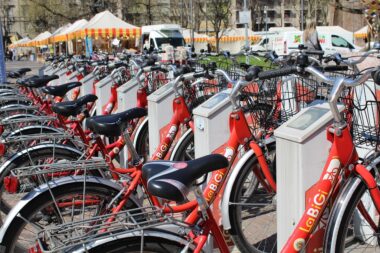
Exploring public transportation options is another excellent way to cut down on transportation costs. While maintaining your vehicle is essential, utilizing alternative modes of transport like buses and trains can considerably reduce wear and tear on your car. If possible, consider arranging your work schedule to take advantage of public transit, especially during peak hours when traffic congestion is at its highest. Many cities have increased public transportation options, making it more accessible and appealing. Another strategy might be to combine errands into one trip rather than making multiple short drives, which can be inefficient. If you need to travel a short distance, walking or biking is an alternative that not only saves on fuel but is also beneficial for your health. During weekends, consider planning outings that involve fewer trips, maximizing your vehicle usage. It might also be worthwhile to evaluate if your vehicle insurance can be modified based on your driving habits, as less use could lower your premiums. Understanding all transport options provides broader possibilities for saving money and extending the life of your vehicle.
Eco-Friendly Driving Practices
Incorporating eco-friendly driving practices is not only beneficial for the environment but can also lead to savings on transportation costs. One highly effective method is to avoid idling your engine whenever possible. Idling consumes fuel while your vehicle remains stationary, which wastes money and contributes unnecessary emissions. Instead of idling, turn off your engine if you will be parked for more than a minute. Furthermore, adopting a steady speed can enhance your fuel efficiency while driving. Frequent stopping and starting wastes fuel through unnecessary energy expenditure, which can be avoided by maintaining a consistent pace whenever it is safe to do so. Additionally, using cruise control on highways can effectively manage speed while saving on gas. Make sure to monitor your fuel usage and experiment with different driving techniques to find the most cost-efficient method for your vehicle. Explore alternatives such as hybrid vehicles if you are in the market for a new one; these vehicles are designed to enhance fuel economy. In the end, adopting sustainable driving habits contributes to both cost reduction and environmental health.
Another effective strategy in cutting transportation costs is considering your tire maintenance. Tires are crucial to your vehicle’s performance because properly maintained tires improve gas mileage significantly. Regularly check tire pressure as under-inflated tires can cause an increase in fuel consumption. Ensuring that your tires have adequate tread depth is also essential, as worn-out tires can cause poor traction and affect fuel efficiency. You may want to explore rotation of tires every 5,000 to 8,000 miles to ensure even wear. Furthermore, properly aligning your tires can extend their lifespan and improve handling, both of which are vital for safe and economical driving. Remember that seasonal changes can affect tire performance, so consider switching to appropriate tires based on the seasons. Using winter tires can improve safety and control during harsh weather, even if they are a bit more costly upfront. Keeping your car clean, including tire areas, can reduce the likelihood of corrosion and damage over time. This careful attention to your tires will guarantee a safer ride and ensure better mileage.
The Benefits of Regular Inspections
Engaging in regular vehicle inspections can also reduce unexpected repair costs associated with transportation. Keeping track of routine inspections can uncover potential issues before they become major problems that require extensive repairs. A proactive approach to your vehicle’s condition ensures that small issues are resolved quickly, often for less money. Moreover, regular checks on your brake systems and fluid levels can prevent mishaps that could lead to costly repairs. Paying attention to the lights, including headlights and taillights, prevents fines and enhances safety for you and others on the road. Investing time in routine checks, including evaluations of belts and hoses, can assist in identifying wear and tear early. This prevents breakdowns that might leave you stranded and facing additional costs such as towing. Additionally, maintaining records of your inspections can be beneficial for resale value later, as potential buyers feel more secure purchasing a well-maintained vehicle. Staying diligent with regular inspections leads to a well-functioning car while simultaneously saving on long-term costs associated with repairs and fuel consumption.
In conclusion, the importance of maintaining your vehicle cannot be overstated when it comes to cutting transportation costs. Understanding the various aspects of car maintenance, from tire pressure to the adoption of technology, leads to better fuel efficiency and overall savings. Utilizing public transportation options, embracing eco-friendly practices, and ensuring regular inspections can extend the life of your vehicle and decrease expenses. These strategies not only help you save money but also improve your vehicle’s performance and enhance safety. Incorporating current technologies such as maintenance apps provides convenience while helping you stay on top of upkeep. Remember that making small adjustments in your driving habits and vehicle use can accumulate substantial savings over time. Keeping a consistent schedule of maintenance work ensures that you catch any issues before they grow into significant problems. Ultimately, ensuring that your vehicle is running at its best not only protects your wallet but significantly contributes to an environmentally sustainable future for all road users. By implementing these strategies, you can take control of your transportation expenses while enjoying the benefits of a well-maintained vehicle.