
Analyzing Volatility Indexes for Cryptocurrencies
The cryptocurrency market is notorious for its volatility, presenting both opportunities and risks for investors and traders alike. Understanding volatility indexes can significantly enhance decision-making processes in this market. These indexes measure the market’s expectations of future volatility, which can vary dramatically between different cryptocurrencies, making it essential to analyze them closely. There are various metrics used in volatility estimation. One popular method is the historical volatility method, which calculates past price fluctuations to predict future movements. This metric helps traders identify trends and make informed decisions about their investments in cryptocurrencies. Additionally, implied volatility is another crucial indicator that reflects the market’s perception of future volatility based on options pricing. A higher implied volatility indicates that traders expect significant price movements in the near future, potentially leading to profitable opportunities. Describing how these metrics work allows investors to decide their entry and exit points in the market effectively. Being equipped with knowledge about volatility indexes can empower investors, providing them with the tools they need to navigate the unpredictable world of cryptocurrencies.
One essential aspect of analyzing volatility indexes is understanding how they correlate with market trends. For instance, when a cryptocurrency exhibits low volatility, it may indicate that the market is stabilizing, leading to potential accumulation phases for investors. Conversely, high volatility can signal the possibility of rapid price swings, which can either lead to high rewards or significant losses. Understanding these dynamics helps traders develop risk management strategies to protect their investments. Moreover, recognizing patterns in volatility data may assist investors in developing predictive models for future price movements. Many traders use technical analysis alongside volatility measurements to identify entry points and set stop-loss orders. Combining these tools can maximize potential profits while minimizing risks. Various platforms offer tools that visualize volatility data, allowing traders to observe price movements alongside historical performance metrics. By incorporating these indexes into their trading strategies, investors can increase their chances of success in the highly lucrative but unpredictable cryptocurrency market. This multifaceted approach can lead to improved outcomes in their trading endeavors.
Diving Deeper into Volatility Metrics
When diving deeper into volatility metrics, it’s vital to understand different volatility indexes, such as the Bitcoin Volatility Index (BVOL) and the Ethereum Volatility Index (EVOL). These indicators analyze the fluctuations of their respective cryptocurrencies, providing nuanced insights into their unique behaviors. Investors looking to trade Bitcoin can benefit from utilizing BVOL. It provides insights into significant price movements and can forecast periods of instability. Similarly, EVOL serves Ethereum traders with relevant data about potential price fluctuations, influencing their trading patterns and strategies. Moreover, creating a comprehensive understanding of how these indexes are influenced by external factors, such as market sentiment and regulatory news, can sharpen investors’ foresight. Healthy market environments may show lower volatility than those facing uncertainty or negative news. Therefore, reviewing historical data alongside current indexes allows traders to grasp how similar future scenarios could unfold. The cryptocurrency environment is sensitive to a myriad of influences, and mastering volatility metrics can empower investors to anticipate market shifts and adapt their strategies accordingly.
Risk management is another critical component when analyzing volatility indexes. By understanding the potential risks associated with high volatility, investors can set appropriate risk-reward ratios and position sizes that reflect their risk tolerance. Successful traders often employ various strategies to mitigate risk, relying on stop-loss orders and adjustments in their trading strategies depending on the volatility index. For example, a trader might decide to enter a larger position during periods of low volatility, increasing their stake when they perceive the market is stable. Conversely, during highly volatile periods, they may choose to reduce their exposure to avoid significant losses. Additionally, diversifying portfolios can further protect investors from the adverse effects of volatility. By holding a variety of cryptocurrencies, the overall risk associated with a particular investment decreases. By paying attention to volatility indexes, traders not only gauge market conditions but can actively adjust their strategies to ensure they are adequately protected. This adaptability is crucial in a market where sudden price movements are commonplace.
The Role of Charting Tools
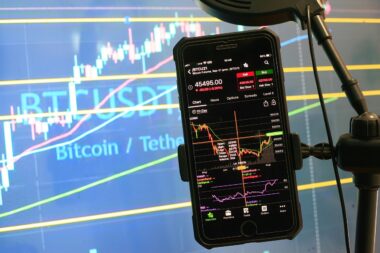
Charting tools play a vital role in visualizing volatility indexes and assist investors in making informed trading decisions. Platforms like TradingView and Coinigy present comprehensive charting options that integrate volatility indicators with price movements. Traders can witness the historical performance of volatility indexes alongside other technical indicators, allowing for a more profound analysis of market patterns. The combination of these tools offers traders a clearer perspective on when to enter or exit trades based on volatility signals. Moreover, the flexibility of these platforms enables personalization of indicators, helping investors customize their displays based on individual trading styles. Some traders prefer shorter timeframes for more immediate feedback, while others may look at weekly or monthly trends for a broader analysis. Additionally, alerts can be set in these platforms, notifying traders of crucial volatility index changes without having to monitor the charts perpetually. This functionality empowers traders to stay updated on market conditions, allowing for prompt decision-making when necessary. In an ever-evolving digital currency landscape, harnessing charting tools can significantly enhance trading proficiency.
Moreover, backtesting trading strategies against historical volatility data can yield valuable insights for future performance. Analyzing past market behavior relays how volatility impacted prices historically and can improve strategy development. By simulating trades using historical volatility indexes, traders can fine-tune their approaches and gain confidence based on data-driven outcomes. This process entails identifying optimal entry and exit points based on varying volatility conditions, helping traders to embrace a more analytical approach. As they gain insights from their backtests, they can also establish the probabilities of success associated with their strategies. By continuously evolving their trading practices through learning from past data, traders can remain competitive in a rapidly changing environment. Engaging with historical data fosters a deeper understanding of market dynamics while also cultivating adaptability. Therefore, employing backtesting alongside volatility analysis prepares investors for a range of market scenarios, allowing them to make sound financial decisions. This proactive approach can lead to success in the volatile cryptocurrency landscape.
Conclusion: Mastering Volatility in Cryptocurrency Trading
In conclusion, effectively analyzing volatility indexes provides traders with indispensable insights into the unpredictable world of cryptocurrencies. With the ability to adapt risk management strategies based on current volatility readings, investors can navigate potential pitfalls in volatile environments. By understanding different volatility metrics, utilizing charting tools, and incorporating backtesting into their strategy development, traders can enhance their decision-making processes. Confidence grows as familiarity with these tools increases, promoting more accurate trades. The cryptocurrency market is rife with opportunities, yet comes with inherent risks. By leveraging insights derived from volatility indexes, investors can enhance their ability to identify trends, manage risks adequately, and ultimately increase their chances for success. Strategies, when informed by volatility analysis, encourage informed decision-making in trading activities. Building a strong foundation around volatility metrics aids traders in recognizing how different cryptocurrencies react to market sentiments and news events. By mastering the art of volatility trading, investors set themselves up for success in one of the most dynamic sectors of the financial market.
The cryptocurrency landscape is continuously changing, and understanding volatility is more critical than ever. To stay ahead, traders need to keep learning and adapting their strategies based on fresh data. Engaging with regular market updates and expert analyses can help even novice traders develop a keen sense for reading the volatile indicators. Familiarizing oneself with industry news and trends can supplement the knowledge gained from analyzing historical data. In this fast-paced arena, not only does one need to be resourceful but proactive in seeking information and honing skills. Also, networking with others in the crypto community can provide additional insights into navigating volatility effectively. Sharing experiences and strategies fosters a culture of learning, empowering traders to improve together. Online forums, webinars, and educational platforms can be useful resources for connecting with like-minded individuals. Continuous education and engagement lead to an evolving understanding of the market, which is essential for sustainable trading success. Investing time in building a strong foundational knowledge surrounding volatility metrics will position traders better for long-term achievements in cryptocurrencies.