
Emotional Intelligence Metrics for Marketing Team Effectiveness
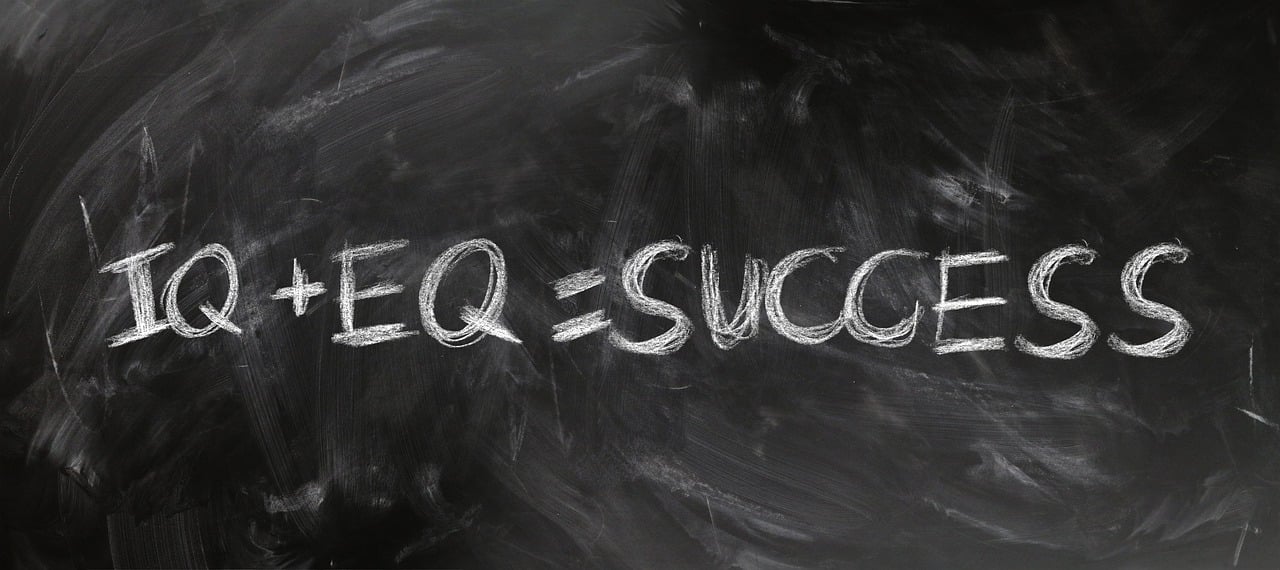
Emotional intelligence (EI) is an essential aspect of successful marketing teams, influencing how teams interact and accomplish their goals. Understanding the impact of EI on team effectiveness can help organizations cultivate a more productive work environment. Firstly, measuring emotional intelligence requires structured frameworks and metrics. These metrics provide a quantitative basis for assessing the emotional capabilities within the team. Key metrics may include emotional self-awareness, empathy levels, and interpersonal relationship skills. Also important is measuring communication effectiveness which often ties closely with emotional intelligence. For instance, how well do team members convey their ideas? This helps in building a culture of openness and trust, leading to better collaboration. EI metrics are not just about individual assessment but also about collective performance. Regular evaluation of these metrics allows teams to identify areas of development and improvement, leading to enhanced team dynamics and productivity. Therefore, companies should invest in EI training programs tailored for marketing teams, as these can unlock hidden potential and improve overall effectiveness in executing marketing strategies.
Cultivating emotional intelligence within teams involves ongoing practice and commitment. Providing resources for team members to develop their emotional competencies is essential. Workshops, seminars, and one-on-one coaching can facilitate the development of emotional intelligence skills. These resources help foster better understanding and awareness of emotions, both personal and within the team context. Additionally, utilizing evaluation tools such as 360-degree feedback can provide critical insights into team dynamics based on emotional intelligence metrics. This approach encourages a culture that values feedback and continuous improvement. Furthermore, understanding non-verbal cues is also pertinent, as body language significantly impacts communication among team members. Regular reflection sessions focusing on emotional experiences can further bolster team emotional intelligence. These moments allow team members to openly discuss their feelings and experiences in a safe space, promoting authentic communication. As teams engage in these reflective practices, they can collaboratively reach new levels of empathy and connection. Ultimately, integrating EI into the fabric of marketing teams enables enhanced creativity and innovation, driving effective marketing campaigns that resonate with audiences.
Key Metrics to Measure Emotional Intelligence
When defining emotional intelligence metrics for marketing teams, it’s crucial to focus on elements that directly correlate with team performance. First on the list is emotional self-awareness, which enables team members to recognize their emotional triggers and manage their reactions. Coupled with this is the ability to empathize with others, which fosters higher levels of understanding and cooperation. Interpersonal skills are also vital, as they determine how effectively team members work together. Another metric to consider is stress management capability, which influences overall team resilience and adaptability. Marketing environments can be fast-paced and stressful, making this ability essential for maintaining effectiveness. Conflict resolution skills serve as an additional dimension in assessing emotional intelligence; teams that can handle conflicts constructively perform better in achieving objectives. Equally important is the measure of communication skills, which encompass both verbal and non-verbal communication. Lastly, adaptability stands out as a necessary skill to respond to unforeseen changes in the marketing landscape. Evaluating these metrics holistically provides insights into the health and functionality of marketing teams.
To effectively implement emotional intelligence metrics, marketing leaders should use a blend of qualitative and quantitative approaches. Conducting surveys and self-assessments can facilitate gathering valuable data about individual and team dynamics. Tools like the Emotional Quotient Inventory can be particularly useful in providing comprehensive insights into emotional competencies. These instruments not only highlight strengths but also pinpoint areas needing improvement. Team workshops can utilize this data to design tailored development plans addressing specific gaps in emotional intelligence. Regular check-ins on progress allow for measuring improvements over time using predefined metrics. Incorporating these assessments into annual performance reviews ensures that emotional intelligence development is prioritized within the team’s objectives. Such a strategic focus can enhance employee satisfaction and retention, which are critical factors in team effectiveness. Beyond assessments, fostering a culture that values emotional intelligence is equally crucial. Leadership plays a pivotal role in modeling these behaviors, as teams tend to emulate the attitudes exhibited by their leaders. When leaders actively demonstrate emotional awareness, their teams are more inclined to follow suit, culminating in a positive environment that drives success.
The Impact of Emotional Intelligence on Marketing Success
Emotional intelligence significantly influences marketing outcomes and strategies. Marketing is primarily about connecting with audiences, and an emotionally intelligent team can understand consumer behavior more deeply. When team members utilize EI in their strategies, they can craft messaging that resonates better with target audiences, ultimately driving conversions. Additionally, emotional intelligence enables teams to navigate complex customer interactions with greater ease, leading to improved customer satisfaction and loyalty. For instance, marketing teams equipped with strong emotional competence can analyze customer feedback and adapt strategies based on emotional signals from customers. The ability to identify trends in consumer emotions allows teams to create campaigns that feel more relatable and authentic. Furthermore, emotionally intelligent teams are also more likely to mitigate potential crises effectively by responding tactfully to customer grievances. This proactive approach can safeguard brand reputation during challenging times. Moreover, emotional intelligence fosters a more collaborative environment among marketing personnel, encouraging innovation and creative problem-solving. By sharing emotional insights and collaborating on campaigns, teams are empowered to synergize their strengths, leading to more impactful marketing initiatives.
Incorporating emotional intelligence metrics can yield substantial long-term benefits for marketing teams. These benefits manifest as improved employee morale, enhanced teamwork, and heightened creativity. The emphasis on EI fosters a supportive work atmosphere that motivates individuals to contribute their best. As team members feel understood and valued, this connection translates into their work quality. High emotional intelligence correlates with lower turnover rates, as team members are prone to stay longer when they feel a sense of belonging. Additionally, organizations with a robust culture of emotional intelligence can attract top talent, as prospective employees seek environments that align with their values. As teams operate with strong emotional competencies, they are better equipped to face adversities in the marketing space, leading to sustained performance. As teams learn to leverage emotional insights, they cultivate a reputation for innovation and forward-thinking, setting themselves apart in the competitive landscape. Thus, it becomes clear that EI metrics are not only valuable for internal growth but also essential for positioning the organization as a leader in consumer connection and engagement.
Conclusion and Future Directions
In conclusion, the integration of emotional intelligence metrics into marketing teams is a strategic move that can yield lasting results. As the marketing landscape continues to evolve, the need for emotionally intelligent teams becomes increasingly vital. Businesses that prioritize measuring and enhancing EI will likely find themselves better positioned to navigate market challenges effectively. Future directions may include adopting new technological tools to assess emotional intelligence more comprehensively. As artificial intelligence and machine learning evolve, they may present novel ways of acquiring emotional insights from consumer interactions. Moreover, enhancing training programs to address emotional intelligence consistently will be key. Combining EI metrics with data-driven marketing strategies can drive deeper understanding and engagement with consumers. Thus, organizations must view emotional intelligence not just as a soft skill, but as a critical component contributing to the bottom line. The commitment to developing emotional intelligence within marketing teams will ultimately lead to higher effectiveness, better relationships with customers, and sustained competitive advantage. The path ahead looks promising for teams that embrace these vital emotional competencies.