
Common Pitfalls in B2C Marketing Funnels and How to Avoid Them
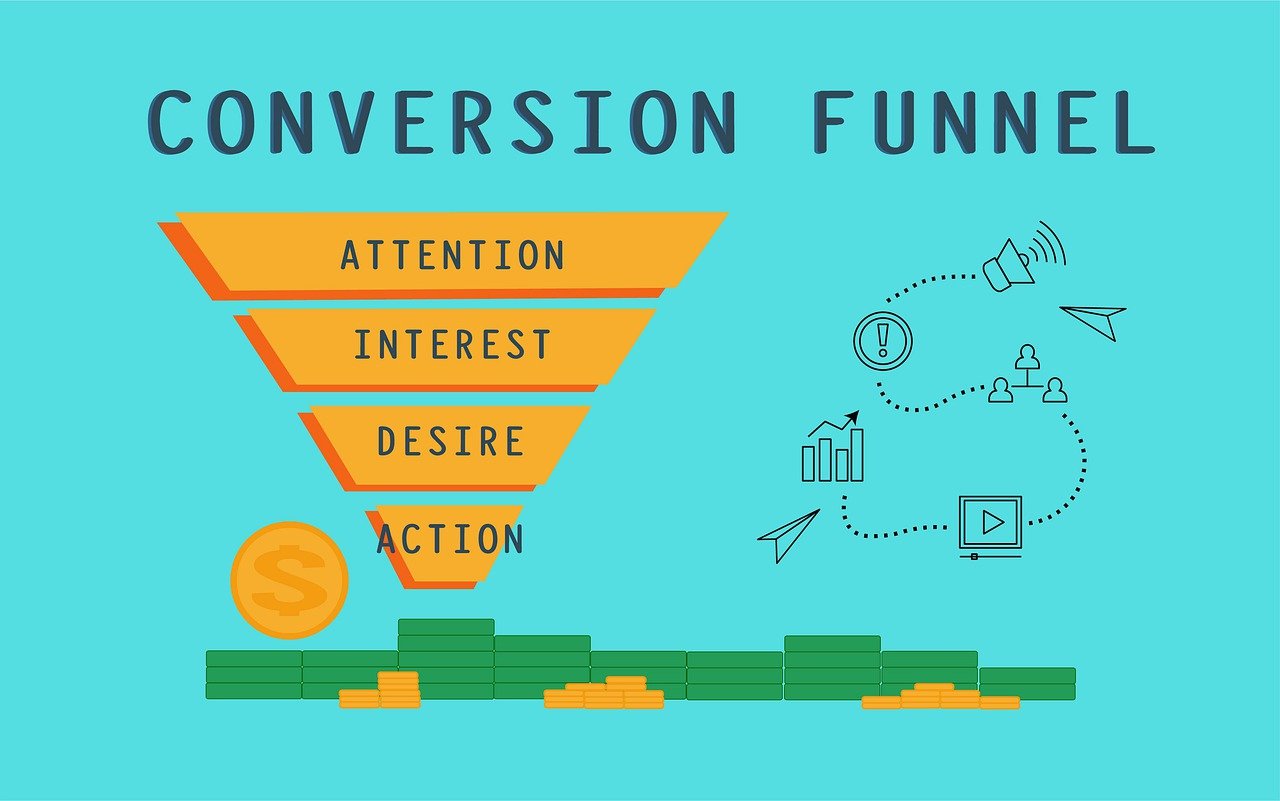
In the world of B2C marketing, optimizing the marketing funnel is vital for increasing conversion rates and revenue. However, brands often face common pitfalls that can hinder their success. One of the most prevalent mistakes is neglecting to segment the audience effectively. To avoid this, businesses should utilize data analytics tools to tailor messages for specific demographics. Additionally, many marketers fail to adjust their strategies according to the customer journey stages. Failing to recognize the different needs of customers leads to missed opportunities. To enhance engagement, create targeted content for each stage, including awareness, consideration, and decision. Another area to focus on is the use of inconsistent messaging. Brands risk confusing consumers when they fail to maintain a unified voice across channels. Always align advertisements and promotional materials with the overall brand image. Lastly, inadequate follow-ups can result in lost leads. Implementing automated systems for nurturing leads through emails or retargeting ads can significantly boost conversion chances. By paying attention to these areas, brands can bolster their B2C marketing funnels and achieve greater success.
Identifying Target Audience and Segmentation
The next crucial aspect of optimizing your B2C marketing funnel is identifying your target audience and properly segmenting it. Marketers frequently fail to recognize that not all customers are the same, which can ultimately lead to wasted resources. Conducting thorough market research is essential for gaining insights into the demographics, interests, and behaviors of potential buyers. Utilizing tools like surveys, social media analytics, and website visitor behavior patterns can help brands better understand their audience. Additionally, considering factors such as age, location, and purchasing habits can lead to more tailored marketing efforts. Segmentation allows brands to deliver unique value propositions that resonate with specific segments. For example, a younger audience may respond better to video content, while older demographics might prefer email newsletters. By fostering this understanding, businesses can optimize their marketing strategies, increasing engagement rates. Furthermore, creating buyer personas based on this data can refine marketing efforts even further. In conclusion, implementing targeted audience segmentation is critical in enhancing the effectiveness of a B2C marketing funnel.
Another common issue is neglecting the importance of content marketing within the B2C funnel. Many brands underestimate the impact quality content can have on attracting and retaining customers. Engaging blog posts, eye-catching images, and informative videos can effectively draw customers into the awareness phase of the funnel. Content marketing serves to establish authority and build trust among potential buyers. To avoid pitfalls, brands should create valuable, informative content that addresses pain points and sparks interest. This approach resonates well with target audiences and encourages them to seek more information. Moreover, integrating storytelling can create a powerful connection with consumers, enhancing their emotional ties to the brand. Regularly updating content and ensuring it aligns with the current trends will keep audiences engaged. Also, leveraging social media platforms for content distribution is crucial. Brands must choose the right channels to share content that captivates audiences effectively. In summary, prioritizing content marketing is essential for overcoming common challenges and propelling B2C marketing funnels forward.
Measurement and Analytics in Funnel Optimization
Measurement and analytics are key components that many B2C marketers overlook in funnel optimization. Without proper tracking, brands cannot determine the effectiveness of their campaigns, making it difficult to address any challenges. It’s crucial to set clear and measurable objectives to effectively assess performance across different funnel stages. Implementing analytics tools helps businesses track essential metrics such as conversion rates, bounce rates, and customer engagement. Ongoing performance analysis allows brands to identify weak points and optimize the funnel effectively. By recognizing where potential customers drop off, strategies can be adjusted accordingly. For example, if data shows high bounce rates on a landing page, experimenting with different designs or calls to action can improve performance. Regularly reviewing campaign performances can help maintain focus on goals. Additionally, it’s vital to adapt to consumer behaviors and market trends. This adaptability can make all the difference in sustaining success. Ultimately, a dedicated approach to measurement will yield insights that contribute significantly to creating a robust B2C marketing funnel.
Furthermore, the mobile optimization of B2C marketing funnels is another often-ignored aspect that can directly affect conversion rates. With an increasing number of consumers using mobile devices for shopping, failing to provide a seamless mobile experience can cost brands significant opportunities. Websites and marketing materials should be mobile-responsive, ensuring compatibility across various devices. A slow, unoptimized mobile site can frustrate users, leading to abandonment and lost sales. Additionally, marketers should focus on optimizing loading times, simplifying navigation, and ensuring calls-to-action are easily accessible. Regular testing and updates contribute significantly to enhancing the mobile experience. Consider mobile-specific advertising strategies, such as location-based promotions or fit-for-mobile content. Given the rise of social media’s influence, brands should also utilize platforms like Instagram and TikTok for enhanced reach. In essence, optimizing marketing funnels for mobile users is no longer optional; it’s a necessity in today’s consumer-driven market. Creating a user-friendly mobile shopping experience will foster loyalty and ultimately lead to increased conversions.
Retention Strategies for B2C Marketers
Retention strategies are an essential aspect of optimizing B2C marketing funnels, yet they are often minimized. Many businesses invest heavily in acquiring new customers while neglecting the importance of retaining existing ones. It’s crucial to implement loyalty programs that reward customers for repeat purchases and brand loyalty. Personalizing customer interactions can significantly enhance retention rates. A simple thank-you note or targeted emails based on previous purchases makes customers feel valued. Furthermore, collecting feedback allows brands to understand customers’ needs better. Acting upon this feedback can lead to improved products and services, consequently enhancing loyalty. Additionally, nurturing relationships through continuous engagement is vital. Regular newsletters, exclusive deals, or educational content keeps the conversation going. It’s the little touches that can create lasting impressions. Utilizing customer relationship management (CRM) tools can streamline these interactions and offer insights into customer behaviors, making your retention efforts more effective. By prioritizing retention strategies, brands can maximize the lifetime value of their customers, ensuring a higher return on investment in marketing campaigns.
Finally, another pitfall that B2C marketers encounter is failing to leverage social proof effectively. In an age where consumer reviews and testimonials play a significant role in decision-making, neglecting this aspect can hinder growth. Encouraging satisfied customers to leave reviews can greatly influence potential buyers. Utilizing these testimonials in marketing materials can create a sense of trust and reliability. Additionally, displays of social media engagement can illustrate a brand’s credibility. Encourage sharing, commenting, or interaction on social platforms to amplify your brand’s presence. Featuring user-generated content can create stronger connections and foster community engagement, which, in turn, enhances brand loyalty. Furthermore, successful influencer partnerships can serve as powerful endorsements, driving new customers into the funnel. Ensure that marketing strategies coincide with the brand’s values when selecting influencers. By focusing on obtaining and showcasing social proof, B2C marketers can greatly improve their funnels and drive conversions. In today’s digital landscape, utilizing social proof as a strategic element is no longer optional—it is essential for achieving sustained growth and success.
The key takeaways from these common pitfalls in B2C marketing funnels revolve around understanding your audience, optimizing the content, utilizing analytics, and creating seamless experiences. Address each identified challenge methodically, ensuring that your marketing strategies not only attract but also retain customers. Investing in the right tools and resources will facilitate a more nuanced understanding of the customer journey, making it easier to make informed adjustments. Crafting compelling content that resonates with different segments of your audience will ensure they move smoothly through the funnel. Moreover, the focus on mobile optimization and creating retention strategies will provide long-term success. By leveraging social proof and influence, marketers can build a credible brand image that attracts new users while maintaining existing ones. The outcome of addressing these pitfalls will transform your marketing funnel into one that converts efficiently and effectively. This comprehensive approach ensures that marketing efforts align with consumer needs and preferences across various touchpoints. By being proactive in recognizing these issues and implementing solutions, optimizations can yield higher returns and amplified growth in the B2C market.