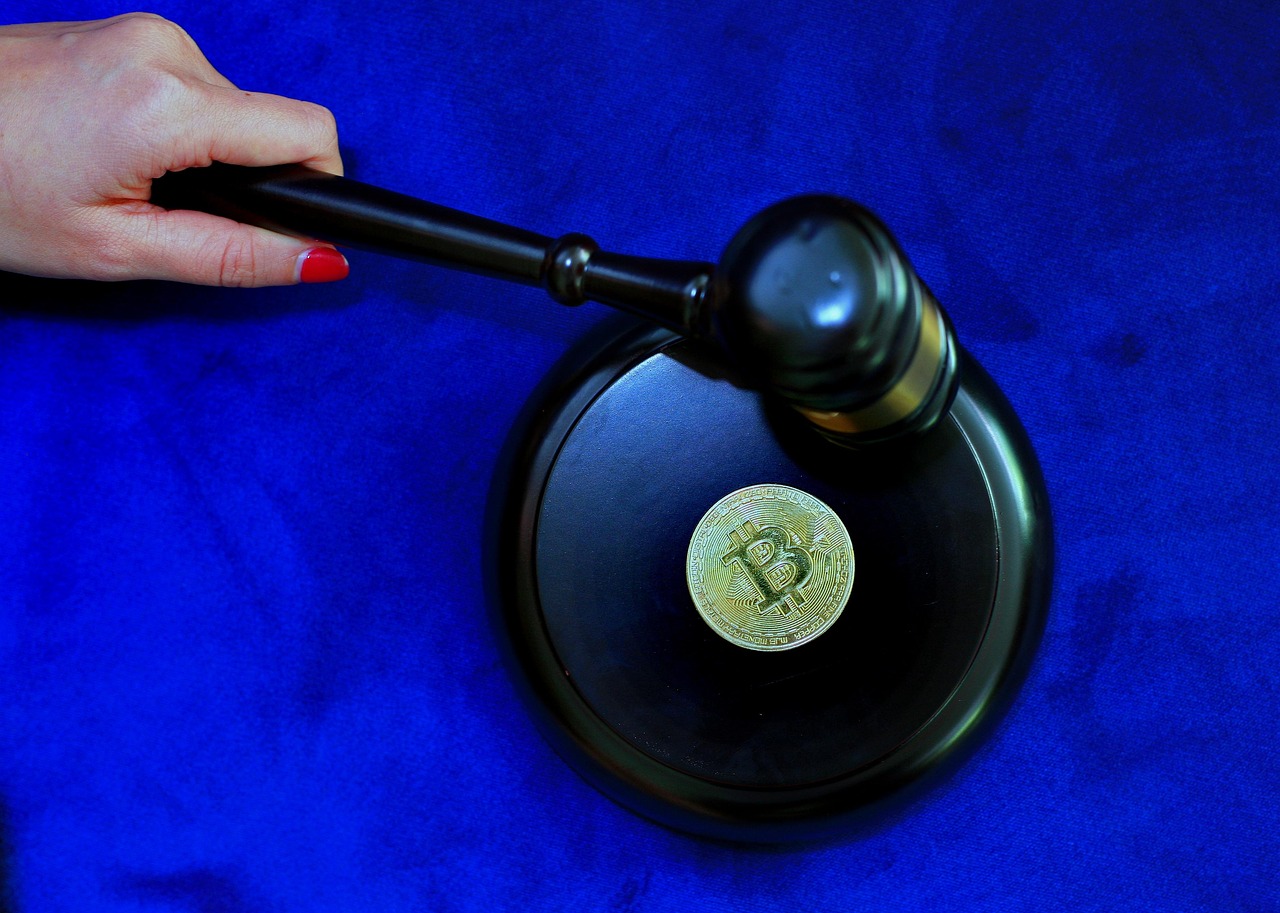

Comparative Analysis of Market Abuse Regulations by Region
Market abuse regulations are becoming increasingly imperative across the globe as financial markets evolve. The need for each jurisdiction to define what constitutes market abuse and insider trading is paramount for the integrity of trading systems. In Europe, the Market Abuse Regulation (MAR) serves as a framework to combat these issues, providing stringent controls to prevent manipulation and encourage transparency. The MAR outlines the specific behavior considered abusive and enforces strict penalties for violations. In the United States, the Securities Exchange Commission (SEC) plays a key role in policing insider trading under the Securities Act and the Exchange Act. This regulatory body investigates and punishes such illicit activities after discoveries in the market behavior indicate malfeasance. Meanwhile, Asia has also developed complex regulatory structures for market abuse that vary significantly by country. States such as Japan and Singapore provide comprehensive guidelines, but enforcement can differ widely. The differing approaches merit thorough examination to understand how each region develops strategies to prevent abuse and corruption in financial markets.
Regulatory Landscape in the United States
The regulatory landscape for market abuse in the United States is governed primarily by the SEC, which focuses on protecting investors and maintaining market integrity. The SEC has developed a comprehensive enforcement strategy that combines guidance, education, and rigorous enforcement to combat insider trading. Notably, Section 10(b) of the Securities Exchange Act prohibits manipulative or deceptive practices that induce or attempt to induce the purchase or sale of any security. Additionally, Rule 10b5-1 addresses insider trading by making it illegal to trade based on non-public material information. The case law surrounding these provisions has evolved significantly, resulting in key decisions that shape enforcement actions against violators. For instance, the infamous case of United States v. O’Hagan expanded the understanding of insider trading by introducing the concept of ‘misappropriation.’ Furthermore, the SEC’s Whistleblower Program incentivizes individuals to report any suspicious activities, broadening the scope for enforcement. These elements interact to create a complex but effective foundation for regulating market abuse in the United States.
In Europe, the Market Abuse Regulation (MAR) was introduced in July 2016, enhancing previous frameworks to comprehensively address market manipulation and insider trading. MAR replaces the older directives, striving for greater harmonization across EU member states while emphasizing prevention and enforcement. The regulation’s scope is broad and covers several aspects, including the prohibition of insider trading, the manipulation of markets, and public disclosure obligations. Most crucially, MAR enhances the consequences of breaching market rules, imposing significant fines and potentially criminal penalties. In particular, it also empowers regulatory authorities across Europe to act swiftly against violators, creating an environment where trading integrity is prioritized. The European Securities and Markets Authority (ESMA) plays a vital role in coordinating supervisory approaches among member countries while promoting efficient practices. Moreover, MAR expects entities to establish robust internal control mechanisms to help detect and report suspicious activities. By taking these steps, MAR reinforces the collective responsibility of market participants in safeguarding market integrity across the European Union.
Asia: Diverse Regulatory Frameworks
In Asia, market abuse regulations vary greatly by jurisdiction, reflecting diverse financial markets and cultural attitudes towards trading practices. Countries like Japan and Singapore have advanced regulatory frameworks aimed at preventing market manipulation and insider trading, while others may have less stringent rules. Japan’s Financial Instruments and Exchange Act regulates insider trading, focusing on protecting investors and ensuring fair market practices. Enforcement actions have seen notable cases that demonstrate the seriousness of the regulatory environment. Conversely, Singapore’s Monetary Authority of Singapore (MAS) enforces the Securities and Futures Act, which includes stringent measures to penalize those engaged in market abuse. The differences between these jurisdictions warrant an in-depth examination, as effective enforcement mechanisms coalesce with local market practices to define compliance and regulatory outcomes. Furthermore, emerging markets in Southeast Asia exhibit various levels of regulatory development for combating market abuse. For instance, the Philippines has made strides in enforcing laws, but challenges remain. Understanding these variances contributes to an appreciation of the global fight against market abuse.
Another notable aspect of comparative analysis is the role that cultural norms play in shaping market regulations. In Western jurisdictions, there’s a stronger emphasis on individual responsibility and accountability, leading to more formal regulations and enforcement. However, in some Eastern countries, the concept of relationship management may influence how insider trading and market abuse are perceived and dealt with. This cultural context can affect public attitudes toward financial misconduct, impacting reportiveness and compliance levels. Additionally, the effectiveness of regulation often hinges on the robustness of legal systems in respective regions. In environments where rule of law is strong, regulations against market abuse tend to have a more pronounced effect. For example, cases involving high-profile individuals in the United States, Europe, or developed Asian markets have often resulted in rigorous scrutiny and significant penalties. In less established markets, similar actions may not trigger the same level of enforcement. As regulatory bodies worldwide strive to curb misconduct, an examination of cultural influences on behavior will yield insights vital for global regulations.
Global Cooperation and Challenges
In recent years, global cooperation has become an essential element in addressing market abuse and enhancing regulatory synergy across borders. Organizations such as the International Organization of Securities Commissions (IOSCO) facilitate dialogues among national regulators, fostering a collaborative approach to combating insider trading and market manipulation. This interconnectivity is vital, given the increasingly global nature of financial markets, where bad actors may exploit regulatory arbitrage among jurisdictions. Countries are encouraged to adopt evidence-based policy frameworks, using data and intelligence from various markets to inform their regulations. However, challenges remain. Disparities in regulatory rigor and enforcement mechanisms continue to hinder effective cooperation; this includes differences in definitions of what constitutes market abuse, based on local practices. Moreover, as technologies develop and financial innovations emerge, new forms of misconduct can arise that existing regulations struggle to anticipate. Adapting to these changes requires ongoing communication and assessments among regulators globally, highlighting the urgent need for a unified understanding and response to market abuse issues.
Future trends in market abuse regulation may point toward greater reliance on technology and data analytics. As financial crimes become more sophisticated, regulators are likely to leverage advanced algorithms and artificial intelligence to monitor trading activities better. Notably, predictive analytics can help identify patterns that indicate potential market manipulation before they become widespread. By analyzing vast amounts of data from various sources, regulators can proactively address emerging threats, making it harder for perpetrators to engage in illicit activities. Furthermore, enhancing transparency requirements may also play a pivotal role in strengthening market integrity; real-time reporting and increased disclosure obligations can foster a culture of accountability among market participants. Additionally, as public awareness of insider trading and market abuse issues grows, there could be an uptick in whistleblowing cases. Regulators must be prepared to respond effectively and ensure that proper protections are in place to encourage reporting. Collectively, these measures indicate a move toward a more vigilant and adaptive regulatory landscape designed to protect investors, bolster market confidence, and deter misconduct.
Conclusion
In conclusion, the comparative analysis of market abuse regulations illuminates the diverse approaches taken across different regions. Each jurisdiction has its unique regulatory frameworks and enforcement mechanisms shaped by cultural, economic, and legal contexts. While significant progress has been made in addressing insider trading and market manipulation, ongoing challenges persist, necessitating greater global cooperation and collaboration among regulatory bodies. A better understanding of the interplay between regional practices and global standards can inform future regulatory developments. Importantly, the evolution of these regulations must continue to adapt to new technological advancements and market challenges. Stakeholders and regulators alike should leverage the insights gained from these comparative studies to enhance their efforts. By working together toward a shared goal of safeguarding market integrity, we can ensure that financial markets remain fair, transparent, and trustworthy for all participants. The future of market abuse regulation will undoubtedly be influenced by thoughtful analysis and proactive measures that prioritize protection for investors and the overall health of the financial system. As such, the commitment to combating market misuse becomes not only a legal obligation but also a moral one for all market participants.