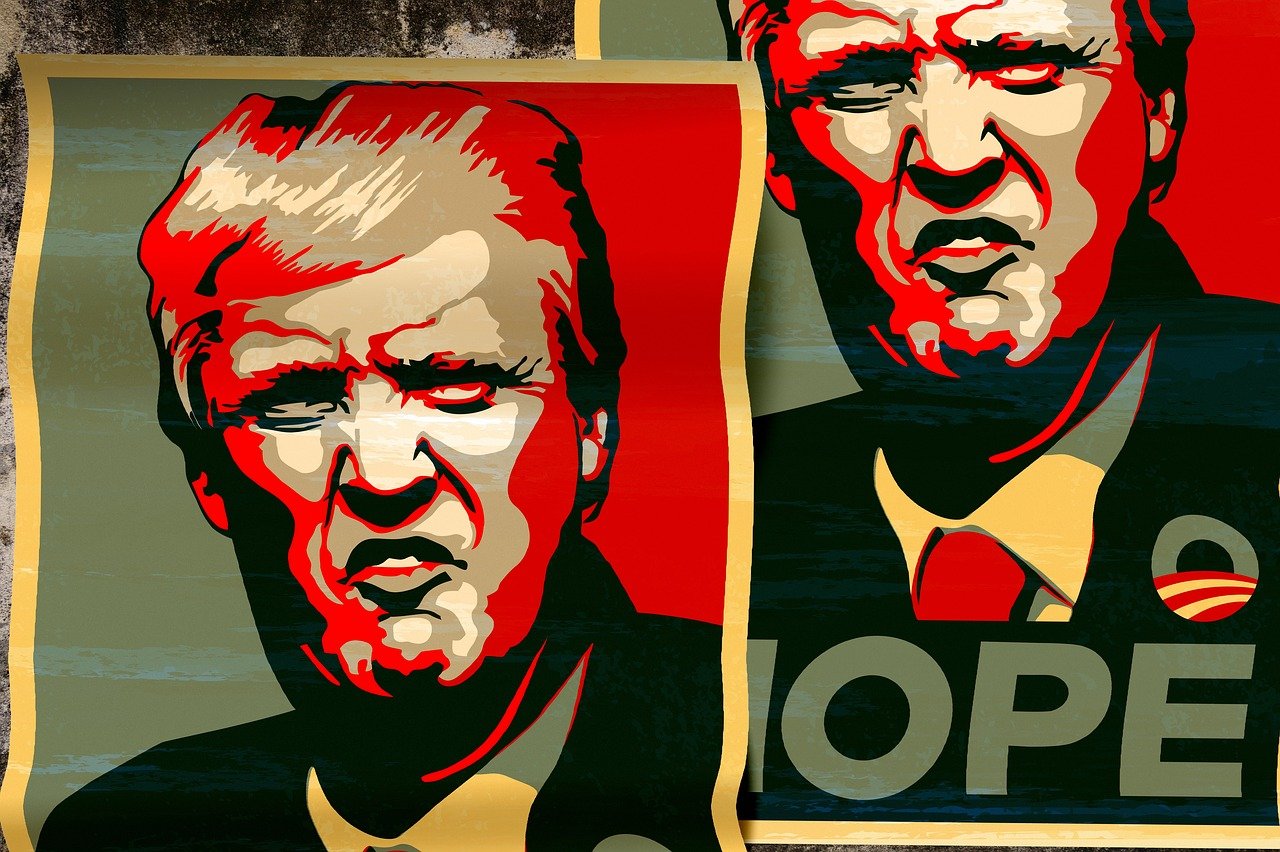

Advertising Ethics in Political Campaigns: Fairness and Truthfulness
Political campaigns often rely heavily on advertising to convey messages and persuade voters. The ethical implications of these techniques can significantly affect public perception and trust. Transparency is a primary concern, with voters requiring clarity about candidates’ positions and the sources funding their advertisements. Additionally, the content of political ads should reflect fairness and truthfulness to maintain integrity in the electoral process. Misleading information can distort voter decision-making, causing an erosion of democratic ideals. Ethical advertising promotes informed decisions, allowing voters to weigh their options based on accurate information. Stakeholders, including advertisers, candidates, and media platforms, must uphold these standards. When ads prioritize sensationalism over factual reporting, they undermine the electoral process. Therefore, establishing guidelines for honesty and clarity in political advertising is crucial. Adherence to ethical standards can level the playing field, ensuring that all candidates have an equal opportunity to present their platforms without fear of being outspent or outsmarted through deceptive tactics. Building a culture of ethical advertising requires collaboration between regulators, industry leaders, and advocates for transparency. Ultimately, ethical advertising fosters a more robust and healthier democratic process.
Another essential aspect of political advertising ethics involves the responsibility of media outlets. As platforms that disseminate advertisements, they play a critical role in ensuring that only factual and credible content reaches the public. Media organizations should establish vetting procedures to scrutinize political ads before publication. This accountability helps prevent the spread of falsehoods and misrepresentation, ultimately protecting the integrity of the electoral process. Moreover, technologies that enable rapid information sharing can exacerbate the challenge of misinformation in advertising. Thus, persistent efforts to combat misleading content must be prioritized within the industry. Advertisers and stakeholders must collaborate with media outlets to develop common standards that promote truthfulness. Consumer awareness and education are fundamental components of this process. Voters need to critically assess the messages presented in political advertisements. Furthermore, educational initiatives should advocate for ethical practices and encourage transparency within political communication. This awareness enables consumers to hold candidates and advertisers accountable for their claims and reinforces the importance of honesty. The interconnectedness of media ethics and political advertising cultivates responsible communication that ultimately serves the public interest.
The Impact of Social Media on Advertising Ethics
Social media has revolutionized political advertising, allowing campaigns to reach audiences more effectively than ever before. However, this power comes with ethical dilemmas regarding the truthfulness and fairness of content. Misinformation spreads rapidly across platforms, creating a challenging environment for voters trying to discern fact from fiction. The viral nature of social media allows misleading ads to gain traction quickly, often outpacing fact-checking efforts. This dynamic poses a severe threat to the foundational principles of democracy, where informed decision-making is central. Furthermore, social media algorithms can exacerbate these issues by promoting sensational content over factual information. Campaigns may exploit these algorithms to maximize reach, creating potential ethical conflicts when prioritizing engagement over honesty. Consequently, ethical guidelines must be adapted to the digital landscape to ensure candidates’ messages align with fundamental principles of advertising ethics. Social media companies should take responsibility as gatekeepers for content integrity. Collaborations between political agencies and social media platforms can develop protocols that prioritize truthful communication. Overall, engaging with these challenges will help cultivate a clearer understanding of the responsibilities associated with political advertising in the digital age.
In light of burgeoning technologies, including artificial intelligence, the landscape of political advertising continues to evolve. AI-enhanced tools can analyze voter behavior and predict election outcomes but can also raise ethical dilemmas. The use of targeted advertising, based on user data, may lead to tailored messages that misinform specific demographics, thereby compromising fairness. This targeting can create echo chambers that reinforce existing beliefs and discourage critical engagement with diverse perspectives. The manipulation of such data risks promoting division among voters, undermining the goal of a cohesive democratic society. Ethical considerations must guide the application of these technologies, ensuring fairness and truthfulness remain priorities. Candidates should commit to practicing transparency in data usage, openly communicating how voter information informs their advertising strategies. Additionally, implementing strict data protection regulations will further safeguard ethical advertising. As technology shapes the way messages are delivered, establishing robust guidelines becomes essential, as does regular monitoring of unethical practices. The future of political advertising hinges on balancing innovation with ethical integrity. Continual dialogue amongst technologists, advertisers, and policymakers will help develop viable solutions to promote responsible AI use in political campaigns.
The Role of Regulatory Bodies in Ensuring Ethical Practices
Regulatory bodies play a vital role in safeguarding ethical advertising practices within political campaigns. These organizations are responsible for creating frameworks that outline standards for fairness and truthfulness in advertising. By enforcing compliance among advertisers, regulators help protect the democratic process from manipulation and misinformation. Additionally, regulatory bodies can implement codes of conduct that define acceptable practices for political advertisements. These guidelines can promote public accountability, ensuring that campaign communication reflects the candidates’ true positions and policies. Furthermore, monitoring and imposing penalties for violations bolster the enforcement of these regulations. Increased scrutiny can deter unethical advertising practices, encouraging greater adherence to established norms. Collaboration between various regulatory agencies can enhance the effectiveness of these efforts by fostering consistency across different jurisdictions. Moreover, education initiatives spearheaded by these bodies can empower voters to recognize and report dubious advertising practices. Ensuring voters understand their rights when it comes to advertising is vital in promoting ethical engagement. As political advertising becomes more complex, ongoing dialogues between regulatory bodies, political entities, and the public will be essential for upholding advertising ethics in political campaigns.
Engaging voters through ethical advertising techniques not only improves the electoral process but can also foster greater civic involvement. When potential voters trust the information presented to them, they are more likely to participate in the democratic process actively. Conversely, disillusionment with misleading advertising can lead to voter apathy, eroding the foundations of democracy. Building a culture of trust requires collaboration among various entities, including candidates, advertisers, and regulatory bodies. Ethical practices must extend beyond mere compliance and be entrenched in the principles guiding political communication. Public awareness campaigns can promote the importance of ethical advertising, encouraging citizens to critically analyze the content they consume. Additionally, fostering community dialogues on political messaging allows voters to share experiences and viewpoints, debunking misinformation collaboratively. This collective effort can cultivate a stronger, more engaged electorate that values fairness and truthfulness. Harnessing the power of ethical advertising techniques can also lead to a more informed public discourse, empowering individuals to make educated decisions at the polls. Ultimately, the responsibility for ethical advertising in political campaigns lies with everyone involved. Commitment to transparency, accountability, and civic education will be pivotal in shaping the future of electoral integrity.
The Future of Advertising Ethics in Political Campaigns
As we look ahead, the future of advertising ethics in political campaigns will likely be shaped by ongoing changes in technology and societal values. Advances in communication technologies and a growing emphasis on transparency may redefine how candidates interact with voters. Furthermore, digital literacy becomes increasingly crucial for voters to navigate complex advertising landscapes. Educational initiatives promoting critical thinking skills will empower citizens to reject misleading messages. Expecting candidates to prioritize ethical communication practices will become even more essential. Voter demand for truthfulness in advertising could lead to significant shifts in how campaigns formulate their strategies. The increasing prevalence of fact-checking organizations also highlights the push for ethical accountability. As a response, political advertisers may adopt more stringent self-regulatory measures, aspiring to earn public trust. Additionally, stakeholder collaboration will be vital in establishing a culture of ethical advertising. Fostering ongoing dialogues between advertisers, regulatory bodies, and the electorate can contribute to continuous improvement. Ultimately, the future of advertising ethics in political campaigns hinges on a shared commitment to fairness and truthfulness, ensuring that democratic values remain at the forefront of campaign practices.
By emphasizing ethical standards in political advertising, we can work towards a future where voters are informed and empowered. Engaging in discussions about the importance of truthfulness allows for a stronger democracy that reflects the will of citizens. Ethical advertising practices not only fulfill a moral obligation but also enhance the legitimacy of the democratic process. As we navigate an increasingly complex landscape, maintaining transparency and accountability in political messaging will be paramount. This commitment stands to benefit not only candidates but the electorate as a whole, fostering active participation in governance. Trust is a precious commodity in politics, and ethical advertising serves to build and maintain that trust. In conclusion, a dedicated focus on the ethics of advertising practices in political campaigns is imperative for sustaining democratic values. As technology continues to evolve, so too must our approaches to ensure fairness and truthfulness. Every stakeholder, from candidates to voters, bears responsibility for creating a political environment that prioritizes ethical engagement. Moving forward, prioritizing open dialogue and collaboration will shape the future of advertising ethics, ultimately leading to a healthier and more vibrant democracy.