
How Small Debts Can Add Up to Damage Your Credit Score
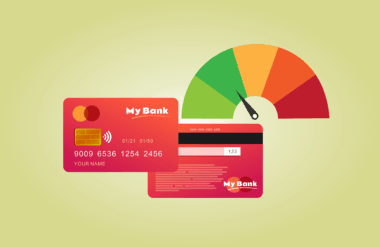
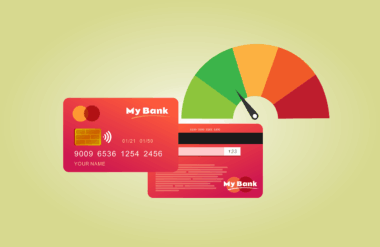
Many people underestimate the impact of small debts on their credit score. These small debts, often perceived as manageable, can accumulate and lead to serious implications. Credit scores are calculated based on several factors, including payment history, amounts owed, length of credit history, and types of credit used. Small debts can swiftly increase the total amount owed, thereby negatively affecting the score. It’s important to understand that credit utilization, or the amount of credit used compared to available credit, plays a significant role. Even a small debt can increase the utilization ratio if it is not managed appropriately. Over time, consistent late payments or missed payments on these small debts can moor your score further into the negative. To maintain a healthy credit score, one must stay vigilant about the nurturing of even low balances. This vigilance means monitoring monthly statements and ensuring timely payments, which can improve credit scores overall. In summary, never overlook the potential damage that small debts can cause to your credit standing and take proactive measures to keep them in check.
Understanding the relationship between debt and credit score is crucial. Your credit score is not just a number; it significantly impacts your financial life. A poor score can lead to higher interest rates, difficulty obtaining loans, and even affect job prospects. It is vital to keep an eye on your credit report regularly. This report details your financial behavior and the status of various debts. Each missed payment or default reflects poorly on you. Therefore, even small debts that you ignore can have lasting repercussions. Make a habit of checking your report at least annually. Creditors report your payment history regularly, so delays in payment can accumulate swiftly. Ensuring that you stay up to date can alleviate potential damage. It might seem small when you miss a single payment; however, these oversights can stack up over time and erode your score. Becoming proactive regarding debt management is essential. Addressing small debts promptly can make you more financially stable and positively influence your credit score. Remember, achieving a good credit score may take time, but daily diligence pays off in the long run.
The Impact of Payment History
Payment history is the most significant factor in determining your credit score. It accounts for about 35% of the score. Each missed or late payment can stay on your credit report for up to seven years, severely affecting your creditworthiness during that time. Even small debts that you forget about can lead to missed payments if you don’t stay organized. It’s essential to be vigilant in tracking due dates. If you receive reminders, act promptly to pay off small debts to ensure they do not affect your payment history adversely. Using tools such as calendars or mobile reminders can assist you in keeping track of bills and payments effectively. Taking advantage of automatic payments can help, as these can reduce the risk of forgetting a payment altogether. However, always ensure that you have sufficient funds in your account when setting up such payments. Remember, many creditors report only to bureaus if payments are 30 days late or more. Hence, staying on top of small debts is vital in preventing damage to your credit score. Overall, maintaining a good payment history should be a priority for everyone.
Your Debt-to-Income Ratio Matters
Alongside your credit score, your debt-to-income ratio (DTI) is another critical aspect that lenders evaluate. This ratio reflects the percentage of your income that goes towards paying debts. A high DTI indicates reliance on debt, which poses a risk for lenders. Even if you are managing small debts, they can contribute to a higher DTI. In most cases, lenders prefer a DTI below 36%. Therefore, if small debts push your DTI higher, it might affect your eligibility for new loans or credit. For example, if you’ve accrued several small debts, it could consume a considerable portion of your earnings, inhibiting your financial flexibility. To counteract a high DTI, consider budgeting strategies to reduce expenses and allocate more towards debt repayment. Focus on paying off high-interest debts first using methods like the snowball or avalanche methods. This approach can lead to achieving your financial goals while improving your DTI simultaneously. A positive debt-to-income ratio opens doors to better credit opportunities. Therefore, managing your debt effectively is essential for maintaining both your credit score and overall financial health.
Small debts often lead to a cascading effect on a person’s overall financial health. Individuals frequently overlook this, assuming it won’t affect them much. However, accumulating multiple small debts can contribute to a more significant financial problem down the line. When you carry multiple balances, you not only increase what you owe but also risk your ability to manage these payments effectively. This struggle can consequently lead to missed payments or defaults, amplifying credit challenges. Therefore, it’s crucial to focus on debt management strategies that address all loans comprehensively, regardless of their size. For instance, consider consolidating your debts if possible. Debt consolidation can simplify your payments and potentially garner a lower interest rate, making it easier to manage small debts. More importantly, consistently making payments on time, no matter how small the amount, will nurture your credit score improvement. Financial discipline serves as the backbone of effective debt management. Implement a budget that allows you to allocate additional funds towards reducing total debt balances. Over time, this will reflect positively on your credit score as your debts decrease.
The Importance of Credit Mix
A diverse credit mix can positively impact your credit score significantly. Having various types of credit, such as revolving credit, installment loans, and retail accounts, demonstrates your ability to manage different forms of debt responsibly. However, if you have multiple small debts from similar sources, this could result in less diversity than what creditors prefer. A limited mix of credit can hinder your score, even if you make timely payments on such debts. Striving for a balanced credit mix allows lenders to see that you can handle payment commitments. While managing small debts effectively, consider mixing in different types of credit. This could involve applying for a credit card and responsibly using it alongside your existing loans. However, be cautious not to create more debts than you can manage. It’s essential to know your limits and utilize credit only if you have a well-defined payment strategy. By diversifying your credit, you also improve your chances of qualifying for favorable loan agreements as lenders view you as less risky. In conclusion, cultivating a healthy credit mix is integral to building your credit profile.
Finally, remember that knowledge is power when it comes to managing debts. Understanding how small debts can pile up and the potential repercussions is essential for safeguarding your credit score. Many individuals unknowingly enter cycles of debt where the impact remains hidden until significant damage occurs. Education about borrowing, responsible payment practices, and overall financial literacy can arm you against such pitfalls. Investing time into understanding interest rates and loan terms helps you make informed decisions. Consider consulting financial advisors for their expert insights into debt management. Additionally, exploring bankruptcy options may provide options for erasing unmanageable debt, but this comes with severe long-term consequences for your credit score. Approach such decisions cautiously and with as much information as possible. Tools and resources are available to assist you in navigating your debt landscape. Adopt a proactive mindset regarding personal finance. By maintaining good credit behaviors, such as timely payments and reducing debt, you can considerably improve your financial stability. Ultimately, a positive credit score leads to better financial opportunities and a more robust quality of life. Stay informed and act judiciously to protect your credit health.