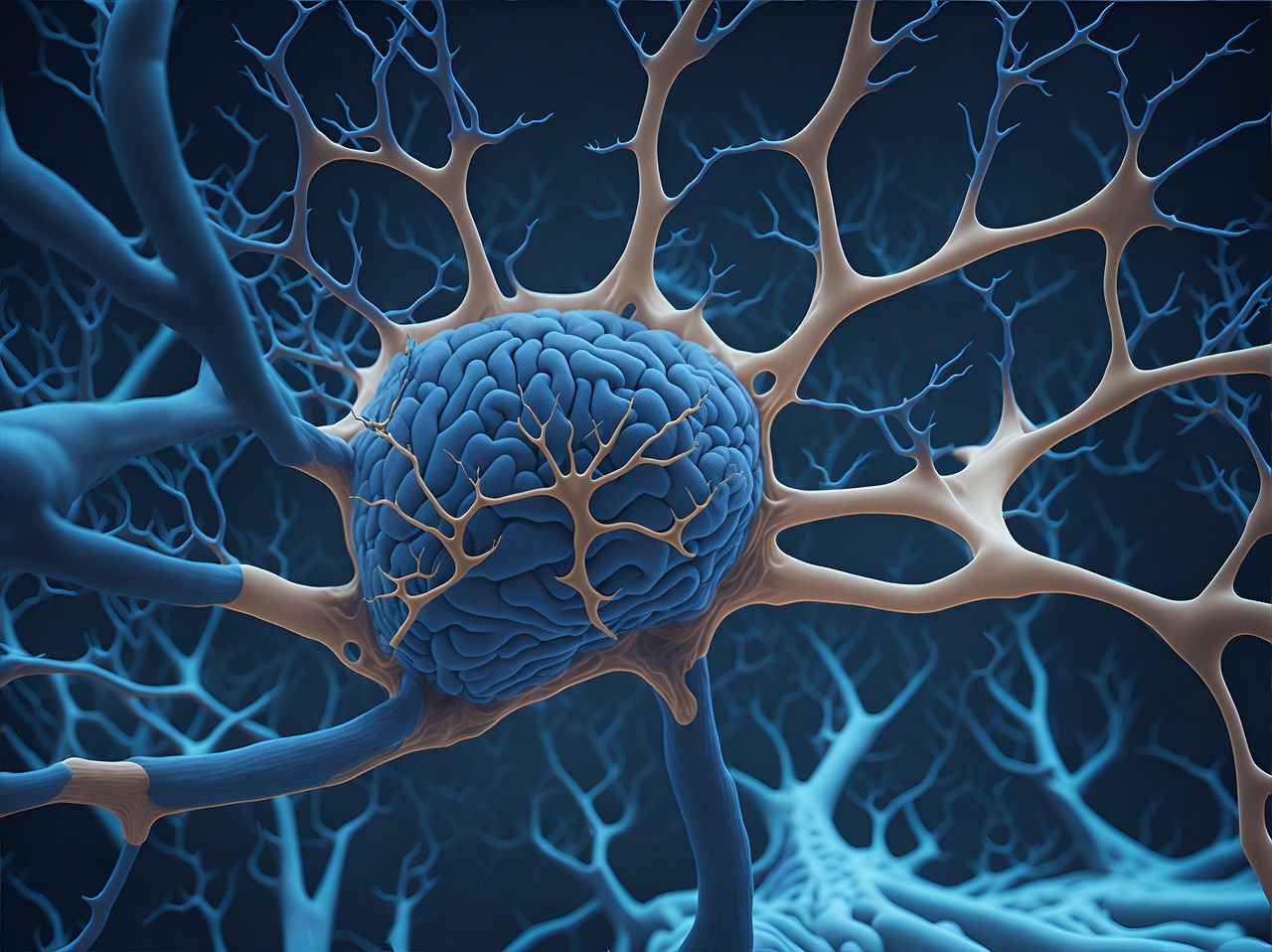

The Connection Between Mirror Neurons and Social Influence in Marketing
Understanding the role of mirror neurons can significantly impact how marketers engage customers. Mirror neurons, discovered in the early 1990s in primates, are essential in understanding empathy and social interactions. These neurons activate both when an individual acts and when they observe similar actions in others. Thus, they play a critical role in emotional and behavioral mirroring, which is fundamental in marketing strategies. When customers view advertisements featuring relatable situations, mirror neurons can trigger empathetic responses. This can lead to increased buyer motivation, making customers more inclined to purchase the product. Furthermore, marketers utilize this knowledge to create campaigns that resonate emotionally, enhancing product appeal. By understanding that mirror neurons can activate empathetic feelings, businesses can tailor their messaging effectively. For instance, campaigns that show others enjoying a product can create a ripple effect of desire among viewers. In this context, marketers can cultivate greater customer loyalty and support through connections that go beyond mere transactions. Taking these insights into account offers marketers significant advantages in audience connection and engagement. Therefore, harnessing the power of mirror neurons is vital in contemporary marketing practices.
Mirror neurons also explain why consumers might prefer products endorsed by relatable individuals or influencers. When people observe someone they admire using a product, their mirror neurons fire as if they are using it themselves. This neurobiological response fosters a sense of connection between the consumer and the endorser, which is a powerful social influence in marketing. Consequently, brands often collaborate with influencers who align with their target demographic to leverage this phenomenon. These partnerships can evoke strong emotional responses, making consumers more likely to trust and buy the endorsed products. Moreover, the portrayal of authenticity in influencer marketing makes the message more credible and relatable. Customers appreciate seeing real people share genuine experiences with products, fostering a deeper emotional bond. This strategy not only aids in driving impulse purchases but also encourages long-term brand loyalty. In competitive markets, utilizing relatable endorsements becomes crucial for standing out and connecting authentically with audiences. Recognizing the psychological mechanisms at play can guide marketers in creating campaigns that resonate. With observers feeling personally engaged, the effectiveness of marketing strategies gains a substantial edge.
The Importance of Empathy in Marketing
Empathy has become a cornerstone of successful marketing strategies, as understanding consumers’ feelings leads to better engagement. Marketers who craft empathetic messages can effectively tap into the emotional needs of their audience. By leveraging mirror neurons, businesses can facilitate experiences where customers identify with a brand. Customers prefer companies that understand their pain points and aspirations, leading to higher satisfaction levels and trust. Emphasizing personal stories in marketing can foster emotional connections, creating a sense of community among consumers. This, in turn, influences purchasing decisions significantly, as people are drawn to brands that resonate with their values. Marketers can utilize techniques such as storytelling and relatable content that engage mirror neurons effectively. For instance, sharing success stories of satisfied customers evokes empathetic responses and offers social proof that enhances credibility. When brands consistently demonstrate their understanding of customer emotions, they generate positive associations, which can translate to loyalty. Thus, empathy serves not only as a marketing tactic but also as a guiding principle in brand development. With successful empathy-driven strategies, marketers can foster deeper relationships and encourage sustainable business growth.
Recent studies show how storytelling enhances product engagement through mirror neurons. When narratives evoke relatable experiences, they compel consumers to connect deeply. Storytelling allows brands to foster emotional connections, paving the way for resonant marketing. Advertising that tells stories, whether humorous or heartfelt, captivates audiences by activating mirror neurons. With narratives, the brand can create a scenario where customers envision themselves part of the story. This imagination enhances empathy, further strengthening consumer-brand attachments. For example, a relatable storyline featuring a character that embodies the target demographic can boost relatability and engagement. Understanding this response helps marketers design campaigns that elicit desired emotions in consumers. The more engaging the narrative, the stronger the emotional ties, leading to higher chances of purchase. By pairing emotional narratives with call-to-action strategies, brands can capitalize on these responses. This approach not just drives initial sales but encourages repeat purchases driven by strong emotional ties. As a strategy, effective storytelling in advertisements capitalizes on mirror neuron activity, creating a profound impact on how consumers perceive products. Creative storytelling thus emerges as a crucial component in marketing practices today.
Real-World Applications of Mirror Neurons
Many brands successfully apply concepts of mirror neurons to create campaigns that resonate emotionally with their audience. For instance, brands like Nike and Coca-Cola effectively harness emotional storytelling to drive consumer engagement. Their advertisements often feature relatable scenarios showcasing individuals overcoming challenges or celebrating moments. This strategy personalizes their branding, showing real human experiences and emotions that consumers connect with on a deeper level. Additionally, research reveals that using relatable imagery or testimonials can amplify the emotional response elicited from consumers. Brands recognizing the potential of mirror neurons can tailor marketing messages that resonate with their target audience emotionally. Effective use of equipment, visuals, and narratives can activate these neurons, thus enhancing connection. Furthermore, campaigns that emphasize shared experiences align with social proof principles, further solidifying consumer trust and affinity for the brand. As understanding of mirror neurons continues to inform marketing strategies, businesses gain a competitive edge. Innovative marketers leveraging empathy and connection consistently outperform those relying solely on traditional advertising tactics. Integrating these insights will become crucial for brands seeking to thrive in an increasingly crowded marketplace.
To cultivate meaningful relationships with customers, businesses can focus on emotional targeting within their marketing materials. Utilizing visual elements, layouts, and colors conducive to evoking emotion enriches consumer engagement. Colors can affect emotional responses, and brands should select palettes that resonate with their desired message. For example, using warm hues fosters a sense of comfort, while cool shades may evoke calmness or serenity. Understanding the psychology behind these choices enhances the effectiveness of marketing campaigns. Furthermore, specific visual elements such as imagery depicting empathy or joy can activate mirror neurons effectively. Additionally, including genuine customer testimonials in marketing materials enhances empathic responses among potential buyers. Testimonials humanize brands, making them more relatable and trustworthy. When consumers can see themselves in the experiences shared, their emotional engagement heightens. Developing targeted marketing strategies around these elements not only ensures consumers feel connection but can also lead to increased conversion rates. Therefore, thoughtful design can significantly benefit overall marketing efforts. Aligning visual elements with emotional intent makes a measurable impact in developing a loyal customer base and sustaining business growth.
Future Implications of Mirror Neuron Research
As ongoing research in mirror neurons continues to evolve, its implications for marketing strategies become increasingly profound. Understanding how these neurons impact consumer behavior can guide businesses in crafting campaigns that fulfill emotional needs. Future marketing strategies can integrate neuropsychological insights into their design processes, ensuring enhanced audience engagement. Moreover, as marketers strive for personalization, insights from mirror neuron research will help refine audience targeting techniques even further. Customized content tailored to unique emotional responses will likely improve customer experiences and satisfaction levels significantly. Furthermore, tracking consumer behavior related to social influence can contribute to more effective advertising placements. By carefully analyzing consumer interactions with various forms of advertising materials, businesses can develop strategies that resonate on a personal level. As technology evolves, real-time data collection could offer unprecedented insights into consumer attentiveness and emotional activation. Overall, the future of marketing will likely see a synergistic relationship between psychology and marketing practices, emphasizing the importance of mirror neurons. By harnessing these insights, brands can enrich their campaigns, resulting in more meaningful connections and an enhanced understanding of consumer motivations.
The impact of mirror neurons on marketing emphasizes creating authentic connections with target audiences. As the landscape of consumer behavior evolves, understanding psychological factors becomes essential for developing effective marketing strategies. Marketers are increasingly realizing that the emotional appeal in advertisements can significantly influence consumer decisions. While traditional metrics such as sales are crucial, emotional engagement is equally significant. Strategies focusing on empathy, storytelling, and social influence may offer businesses substantial competitive advantages. Thus, leveraging insights from mirror neuron research will inform how brands conduct marketing, addressing customer needs more profoundly. As more companies embrace these psychological principles, the fusion of marketing and psychology will likely lead to more concerted efforts to foster connections. This creates a win-win situation, where both the customer and the brand benefit from enhanced relationships. Equipping marketers with an understanding of both consumer behavior and emotional engagement sets the stage for future marketing advancements. Continuous refinement and adaptation of strategies revolving around these principles can maximize potential outcomes. In the end, integrating mirror neuron insights allows businesses to foster deeper connections, making the customer experience more rewarding and fulfilling.