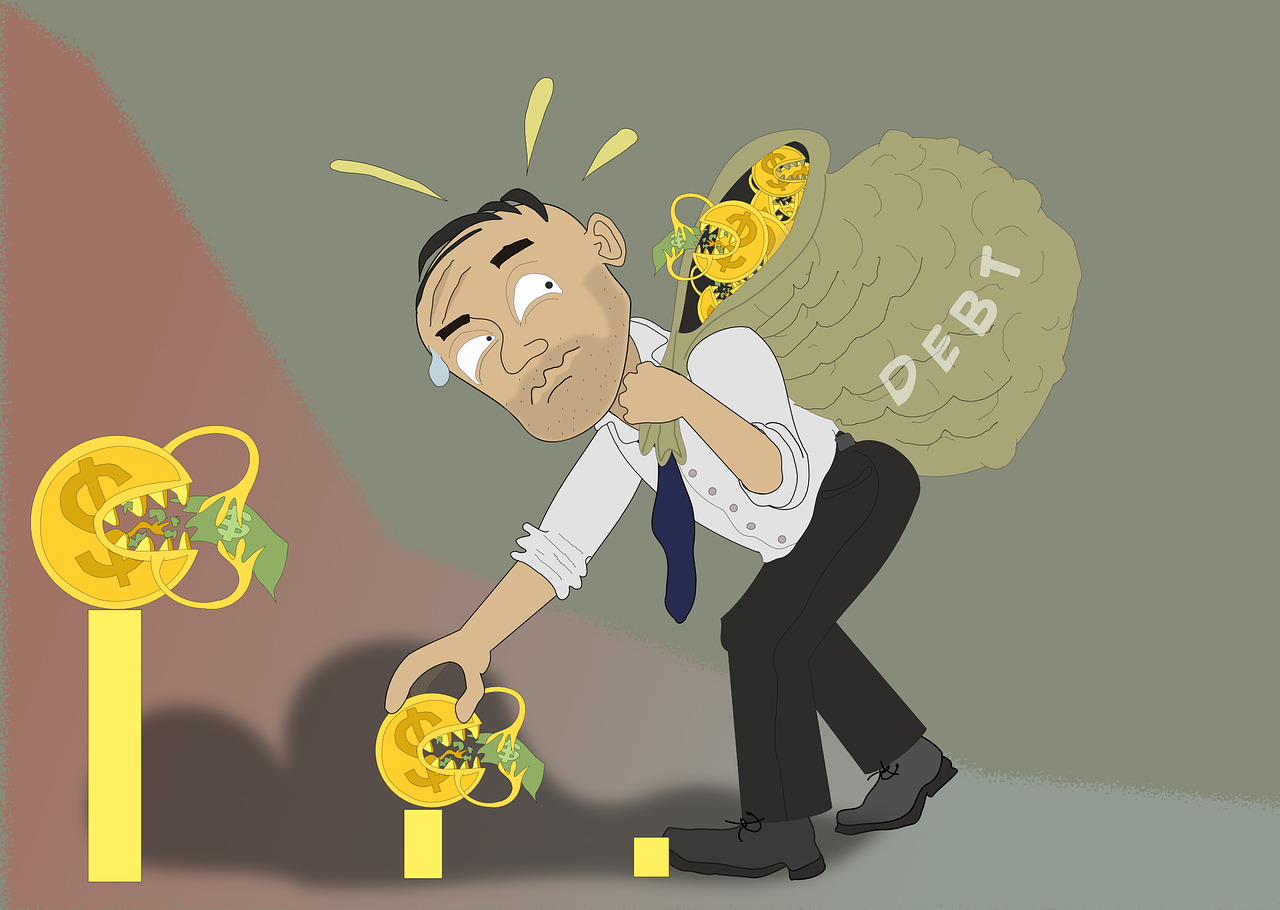

How to Use Peer-to-Peer Lending to Consolidate Your Debts
Peer-to-peer lending has emerged as an innovative strategy for debt reduction, offering a viable alternative to traditional banks. This approach connects borrowers directly with individual lenders through online platforms, allowing you to secure personal loans without the hefty interest rates associated with credit cards. The process is simple and user-friendly, enabling you to fill out an online application that includes details about your current debts, income, and financial goals. Once you’ve completed the application, the platform matches you with potential lenders who are willing to finance your loan. Compared to conventional loans, the terms are often more favorable, and the funding can occur promptly. The peer-to-peer environment fosters competition, providing opportunities for you to negotiate better rates. This method can effectively help you consolidate several high-interest debts into a single, lower-interest loan. However, remember that while peer-to-peer lending can be advantageous, it is crucial to evaluate the fees that might accompany these loans. Research your options, read user reviews, and choose a reputable platform that aligns with your borrowing needs and credit profile.
Once you have made the decision to consolidate your debts through peer-to-peer lending, proceed by calculating your total debt. Gathering all your current loans, credit card balances, and any other obligations will allow you to determine how much you need to borrow. This total will guide your loan request and assist in maintaining manageable repayments that won’t strain your budget. It’s also wise to consider your credit score at this stage, as it will influence the interest rate you receive from lenders. A better credit score means lower rates, which directly affects how much you’ll pay in interest over the loan term. Subsequently, you can set realistic repayment goals, thereby making a plan that is sustainable. To improve your chances of obtaining a favorable loan, consider taking steps to enhance your credit score prior to applying. This can involve paying off smaller debts, ensuring bills are paid on time, and disputing any inaccuracies on your credit report. Armed with this information, you can make well-informed decisions regarding how much to borrow and at what rate, maximizing your debt reduction efforts.
Choosing the Right Peer-to-Peer Lending Platform
Choosing the right peer-to-peer lending platform is crucial in successfully consolidating your debts. As you explore various platforms available, evaluate them based on critical factors such as interest rates, fees, and loan terms. Each platform may offer a different variety of lenders and rates, so it’s helpful to compare offers using a side-by-side analysis. Look for platforms with transparent fee structures and favorable loan conditions to minimize your overall expenditure. Additionally, researching customer reviews and experiences will give you insights into the reliability and efficiency of the platform. Credible platforms frequently feature robust customer service channels, ensuring that assistance is available should any issues arise. It’s also advisable to review their loan availability based on your state, as some platforms have geographic restrictions. Once you have short-listed your options, applying should be straightforward and guided. Nevertheless, before finalizing the application process, ensure that you read and understand all terms and conditions, including penalties for late payments. Thorough preparation and educated decision-making will significantly increase your success in utilizing peer-to-peer lending for debt consolidation.
After selecting your ideal peer-to-peer lending choice, you can now complete your loan application process. Generally, this will involve entering personal information such as your employment status, income level, and existing debt obligations. Each platform may have slightly different documentation requirements, but most will request verification of your identity and income, which might include pay stubs or bank statements. Take care to present accurate information, as discrepancies can hinder approval. Many platforms provide pre-qualification steps, which enable you to check your eligibility without impacting your credit score. Upon submission, lenders will review your application and decide on the amount they are willing to lend you, along with the interest rates attached. Once approved, you will typically receive the funds directly into your bank account within a few days, ready to be used for debt repayment. Pay close attention to your repayment plan, including due dates and amounts required, as managing this will be key to successfully reducing your debts and achieving financial freedom through peer-to-peer lending.
Utilizing Your Funds Wisely
Once you have received funds from your peer-to-peer loan, utilizing them wisely becomes paramount in effectively reducing overall debt. The primary aim should be to pay off high-interest debts first, such as credit cards or personal loans, as these usually carry the highest financial burden. By settling these amounts promptly, you will not only save money on interest payments but also simplify your financial commitments. In addition to tackling high-interest debts, it may be beneficial to reach out and negotiate lower interest rates on remaining debts, particularly loans with flexible terms or those tied to a financial institution. Be strategic in your approach and ensure you remain profitable throughout this process. Additionally, resist the temptation to take on more consumer debts, as this can undermine your consolidation efforts. Handling these funds with discipline will significantly contribute to your longer-term financial health. Finally, consider establishing a separate savings account to build an emergency fund, safeguarding against future financial strains that may lead you back into debt.
As you progress through your debt repayment journey, maintaining a consistent financial review process is critical. Regularly monitoring your debts and expenses will help you stay informed about your financial situation. Set aside time each month to assess how well you are adhering to your repayment plan, make adjustments as needed, and recognize where you can improve your budgeting. Keeping track of your credit report periodically is essential, as it provides vital insights into how your repayments are impacting your score and future borrowing abilities. Many platforms offer free access to your credit report; take advantage of these tools to stay informed. Additionally, engage with a financial advisor if you’re struggling to keep pace with repayments. They can assist in providing tailored advice that aligns with your unique financial landscape and help draft new strategies to manage your debt effectively. The important thing is to remain proactive—sustainable debt management is achievable through discipline and informed choices. Staying focused on your goals will ultimately lead you toward a bright financial future.
Conclusion and Long-Term Benefits
In conclusion, peer-to-peer lending can be a potent tool for consolidating debts and embarking on a journey towards financial health. By understanding the application process, selecting a reputable platform, and using your funds judiciously, you’re paving the way for reducing overall interest payments and enhancing your credit score. The long-term benefits of successful debt management extend beyond financial savings; they can lead to increased peace of mind and greater financial freedom. Ultimately, taking steps to consolidate your existing debts can help you break the cycle of borrowing, increase your creditworthiness, and foster a more secure financial lifestyle. Remember that smart financial practices, such as ongoing monitoring and budget evaluations, are essential in solidifying these gains over time. By remaining informed and proactive about your financial decisions, you will find yourself equipped to mitigate future debt struggles while building a brighter financial future. With diligence and the right strategies in place, peer-to-peer lending can significantly contribute to achieving a debt-free life.
It is essential to foster a good relationship with your financial health by creating a budget and setting financial goals. Every decision you make regarding your debt can lead you closer to these goals. Consider developing a spending plan that allows for some indulgence while prioritizing key debt repayments. Financial success isn’t merely about cutting costs; it’s equally about making informed choices and enjoying the journey toward financial independence. This approach instills a sense of empowerment and confidence as you navigate the challenges of financial management. Utilize resources available through peer-to-peer platforms and financial education websites to enhance your understanding of the lending landscape. The more informed you are, the better decisions you can make regarding your loans and overall debt situation. Stay committed to tracking your progress, adapting your strategies to reflect any changes in your financial circumstances. With responsibility and oversight, peers can be a supportive asset rather than a burden. Use the knowledge gained to assist friends or family looking to manage their debts through similar pathways. With time, you will cultivate a debt-savvy mindset, proving that peer-to-peer lending is an effective choice for long-term financial stability.