
The Use of Customer Journey Analytics in Banking
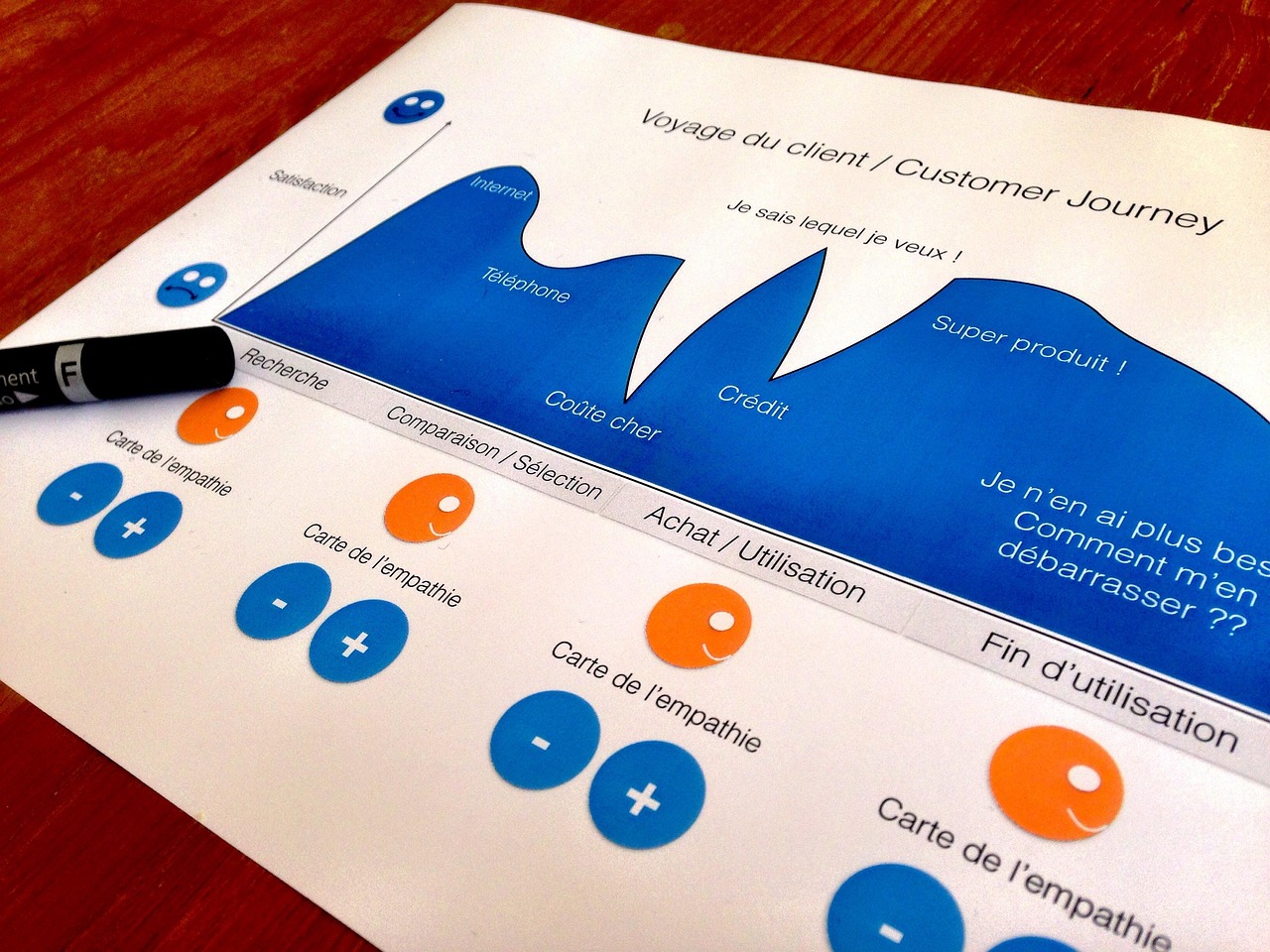
In today’s competitive banking landscape, understanding customer behavior is crucial for success. Customer Journey Analytics (CJA) enables financial institutions to map out and analyze the entire customer experience from initial contact through to transactional relationships. By leveraging data analytics, banks can identify key touchpoints where customers interact with various services, creating a holistic view of their journey. Additionally, CJA allows for real-time tracking of customer interactions, helping banks react promptly to changing trends and preferences. This practice not only contributes to improved customer satisfaction but also fosters lasting loyalty. Enhanced data intelligence can further assist banks in segmenting their audiences, allowing more tailored and relevant marketing strategies. Today’s customers expect personalized services, and by harnessing innovative technologies, banks can meet and exceed these expectations. Overall, implementing Customer Journey Analytics can lead to more informed decision-making, ultimately driving business growth. CJA improves efficiency by identifying pain points during the customer journey, enabling financial institutions to streamline processes and reduce friction for customers. Effective execution of these strategies can differentiate banks in a crowded market and enhance their brand reputation.
Another integral aspect of Customer Journey Analytics is its ability to enhance cross-channel interaction. Customers frequently switch between devices and channels, often exploring options before making final decisions. By unifying customer data across various platforms, banks can create seamless interactions that respect customer preferences and behavior. Understanding the specific channels that lead to higher engagement allows banks to optimize their marketing efforts, ensuring resources are allocated efficiently. Moreover, insights gleaned from journey mapping can reveal customers’ motivations and pain points at critical junctures. Banks can address these issues proactively, thus improving overall customer experiences and conversion rates. Utilizing analytics also opens the door to predictive modeling; banks can forecast future behavior based on historical data, opening opportunities for targeted outreach. This kind of tailored engagement minimizes customer effort, ultimately leading to higher satisfaction and reduced churn rates. Furthermore, the data collected helps in refining product offerings, ensuring they align with evolving customer needs. Customer Journey Analytics not only fosters effective customer interactions but also enables banks to stay ahead in innovation by continuously evolving strategies based on real-time feedback.
Benefits of Customer Journey Analytics
Implementing Customer Journey Analytics in banking introduces numerous advantages that can transform customer relationships. Firstly, it grants insights that drive personalized banking solutions, each tailored to specific customer demographics and behaviors. By analyzing data collected throughout the customer journey, banks can create targeted promotions and communication strategies designed to resonate with individual clients. Additionally, banks can optimize their resources by eliminating inefficiencies that can occur during the banking process. Streamlining these processes reduces potential frustrations for customers, subsequently fostering trust and enhanced loyalty. With analytics, banks can move from a reactive to proactive approach, anticipating customer needs before they even arise. This intelligence variable ultimately leads to increased customer retention, as well as attracting new customers drawn to a responsive bank. Moreover, utilizing CJA facilitates identifying emerging trends; without these insights, banks risk falling behind their competitors. Regular updates and reporting allow continuous improvement, ensuring that sliding satisfaction levels can be addressed swiftly. Ultimately, embracing analytics as part of customer strategies positions banks to not only survive but thrive within an evolving marketplace.
Furthermore, CJA can also significantly improve customer segmentation within the banking sector. By dividing customers into specific groups based on their journey and behavioral insights, banks can tailor campaigns that appeal to each segment’s unique preferences. Moreover, understanding different customer personas enables the development of targeted offerings that resonate better with the audience, ensuring high engagement rates. It’s essential for banks to gather and analyze data on client interactions to gain a comprehensive view of behaviors and preferences. Advanced analytics tools can uncover hidden patterns within the data, which can drive marketing strategies addressing the needs of specific client segments. Such capabilities allow banks to devise more compelling value propositions that capture the interest of various demographics. Additionally, customer insights help in predicting threats and identifying opportunities, supporting data-driven decisions. This approach ensures that marketing funds are spent effectively, as tailored campaigns can yield a better return on investment. In essence, CJA enables banks to not only meet but exceed expectations, catering to individual customers while attracting new clients to the bank.
Challenges in Implementing CJA
Despite its advantages, implementing Customer Journey Analytics can pose challenges for financial institutions. One of the primary hurdles is integration; banks often utilize various legacy systems that may not easily communicate. Achieving a consolidated view of the customer journey necessitates overcoming data silos, which can complicate the implementation process. Ensuring that all relevant data points are collected and accurately represented is essential for analytics to have a meaningful impact. Moreover, privacy concerns regarding customer data usage can hinder progress; banks must navigate strict regulations to maintain trust. In addition to privacy issues, a common challenge involves fostering a data-driven culture within the organization. Employees may need training to understand the value of analytics, and resistance to change could impede the adoption of new practices. Once CJA is in place, collecting reliable data consistently can also be challenging; without accurate information, insights drawn will be limited. Furthermore, aligning all departments to work collaboratively towards common objectives can guarantee a smoother implementation of analytics. Strategies to address these challenges will be critical in harnessing the full potential of Customer Journey Analytics.
To successfully overcome these obstacles, banks need to prioritize an organizational commitment to leveraging data. Establishing a clear data governance framework promotes accountability and consistency in data management across all levels of the bank. By investing in the right tools and technology, banks can facilitate seamless integration and data collection from diverse systems, removing redundancies and ensuring compliance. Training staff involved in customer interactions is also necessary, as it enhances their understanding of how insights gained from analytics impact their roles. Regularly communicating the importance of CJA can lead to a shift in organizational culture towards embracing data-driven approaches. Building cross-departmental teams can enhance collaboration, ensuring that insights are shared effectively across the organization. In doing so, banks can create a more unified strategy based on real customer experiences and preferences. Furthermore, continuous iteration on strategies informed by analytics helps ensure that banks can adapt to changing market conditions swiftly. Ultimately, a commitment to improving customer experiences through CJA can lead to sustained success and competitiveness in the banking sector.
The Future of CJA in Banking
Looking ahead, the future of Customer Journey Analytics in banking is promising, as financial institutions increasingly embrace innovative technologies. Integrating artificial intelligence and machine learning with CJA will further enhance predictive capabilities, allowing banks to provide even more personalized services. These advancements will allow financial institutions to respond to real-time data and customer feedback more effectively. Moreover, with shifting consumer expectations, it becomes imperative for banks to pinpoint emerging trends quickly; analytics will play a vital role in this analysis. The rise of digital banking means that customers are continually engaging through various channels, creating rich data sources that can be explored further. Additionally, as customer preferences evolve, wedging insights into business strategies must remain a priority. Enhancing mobile banking applications with analytics will allow for a more cohesive and personalized banking experience. Furthermore, collaboration between different banks or fintech companies may provide a benchmark for shared insights into customer journeys, enabling improved best practices. Overall, embracing innovative technologies will enable banks to deliver tailored services and maintain their competitive edge moving forward.
In conclusion, Customer Journey Analytics represents a vital tool that empowers banks to elevate their understanding of customer behavior. By effectively employing analytical techniques, financial institutions can drive personalization, boost efficiency, and enhance customer experiences. Identifying opportunities through real-time analytics allows for a more tailored banking experience, leading to happier and more loyal customers. Furthermore, addressing challenges head-on—by committing to a data-driven approach—will enable banks to harness the full power of CJA. With a focus on continuous improvement and adapting to customer preferences, banks can differentiate themselves in a highly competitive sector. The ongoing evolution of technology presents ample opportunities for banking institutions willing to invest in analytics. As customer expectations continue to shift, leveraging insights from customer journeys offers banks the ability to remain proactive rather than reactive. Prioritizing customer satisfaction and engagement through effective analytics strategies can ensure long-term success. Ultimately, as banking evolves, the adaptability and responsiveness facilitated by Customer Journey Analytics will shape the future of financial services, creating innovative solutions that resonate in a dynamic market environment.