
Mobile Event Marketing Security: Protecting User Data
In today’s world, mobile event marketing is essential for engaging audiences effectively. However, protecting user data has become a paramount concern for companies and event planners. With increasing data breaches, it’s crucial to implement rigorous security measures. Once an event mobilizes, vast amounts of attendee data are collected, raising potential vulnerability issues. Event organizers should prioritize secure platforms and tools that adhere to strict data protection regulations, such as GDPR. Utilizing encrypted communication channels is vital for safeguarding sensitive information during transactions. Moreover, it is wise to conduct a thorough risk assessment before deploying any mobile marketing solution. By understanding potential threats, companies can formulate comprehensive strategies to mitigate risks. Establishing clear privacy policies helps in ensuring transparency with users regarding how their data is used. Additionally, ongoing training for staff on security protocols is crucial. Implementing multi-factor authentication adds another layer of security, making unauthorized access more challenging. Ultimately, event marketers must recognize the significance of protecting user data, not only for compliance but also for enhancing trust and securing a positive user experience during events.
Mobile event marketing strategies also entail the accurate management of personal data obtained during conferences or festivals. Event organizers should use secure mobile applications equipped with robust back-end security features. This includes features like data encryption and secure user authentication processes. Many risks can be mitigated when organizers select reliable software providers with proven track records. Event apps should include functionalities that limit the sharing of sensitive user data, ensuring that only necessary information is collected. Also, implementing user consent mechanisms can enhance transparency and provide attendees better control over their data. Regular security audits can identify weaknesses within systems and processes, helping to enforce proactive measures. Additionally, it’s important for organizations to plan for potential security incidents. Developing a data breach response plan is essential for swift action. Quick action can minimize damages while also maintaining trust with the audience. Awareness campaigns focusing on data protection can educate attendees about safe practices when engaging with mobile platforms. Finally, organizations must be prepared to adapt to ever-evolving security challenges in the mobile event marketing landscape.
Implementing Best Practices
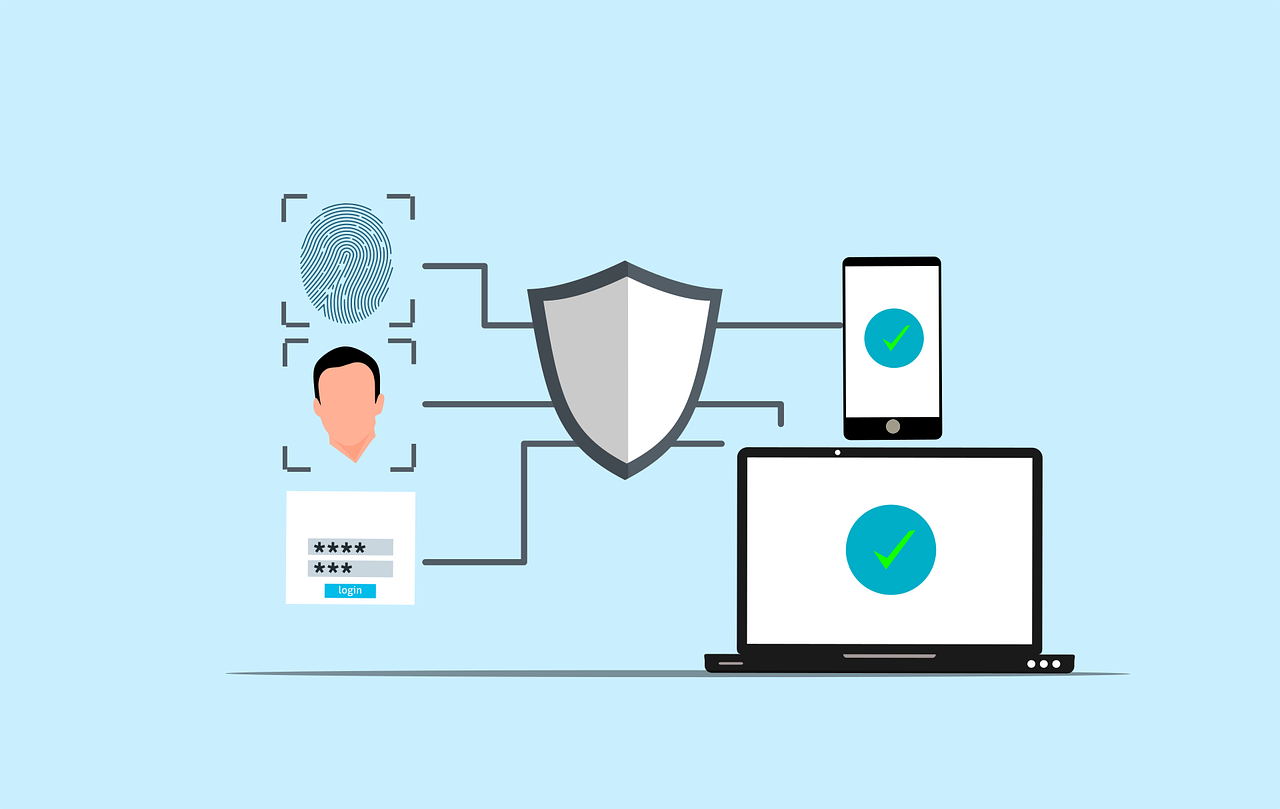
Implementing best practices for mobile event marketing security is essential for protecting user data effectively. One effective method is utilizing biometric identification for user authentication. Features like fingerprint scanning or facial recognition significantly increase security. Strong passwords must also be mandated, ensuring users create complex, hard-to-guess passwords. Additionally, staging regular system updates is vital for patching vulnerabilities within mobile applications. This action protects against common threats that hackers exploit. Beyond technical measures, continuous user education regarding personal data security is critical. Users should be made aware of phishing scams and suspicious activity. Establishing a dedicated support channel for attendees facing issues can lead to prompt solutions. Organizations should also cooperate with legal advisors to stay informed about changing regulations concerning data protection. Integrating compliance checks into marketing strategies will ensure alignment with legal mandates. Furthermore, creating transparency in data handling strategies builds trust with potential attendees. A thorough examination of third-party service providers is also vital to safeguarding data. Properly vetting these partners can significantly reduce risks associated with data breaches by ensuring they share the same security priorities.
Moreover, fostering a culture of security awareness within the organization can significantly enhance data protection efforts. This involves training staff to recognize security threats associated with mobile technologies. Ensuring employees understand the importance of maintaining data integrity reduces human errors leading to breaches. Event marketers should establish a communication strategy that encourages reporting security concerns without fear of repercussions. Frequent discussions surrounding data security can lead to the identification of potential gaps or weaknesses in processes. Additionally, assessing the effectiveness of mobile event marketing campaigns includes evaluating data privacy policies. Gathering feedback from users regarding their security experiences can inform improvements in practices. Protecting user data also relies on creating a robust security framework that defines roles and responsibilities. Everyone in the organization should know their part in preserving data integrity at various stages. Preparing for eventualities, such as data loss or unauthorized access, builds confidence among users. Ultimately, a comprehensive approach to training and internal communication strengthens the overall security of mobile event marketing strategies.
The Role of Technology
The role of technology in enhancing security measures within mobile event marketing cannot be overstated. Employing advanced technologies, such as artificial intelligence and machine learning, can help identify patterns associated with suspicious activities. Automated surveillance systems can monitor user transactions, flagging unusual behavior efficiently. Additionally, employing blockchain technology can enhance data security significantly, ensuring that user information is immutable and traceable. This creates a robust framework for maintaining authenticated records, minimizing the risk of unauthorized access. Continual research and adoption of emerging technologies is fundamental for keeping ahead of threats to user data. Organizations should provide secure connection options, like VPNs, to ensure safe user interactions at events. Integrating real-time alerts allows users to be immediately notified of any suspicious activity related to their accounts. Furthermore, conducting thorough background checks on all digital vendors ensures that third parties can be trusted with handling sensitive data. Striking the right balance between user functionality and security will improve attendee experiences without compromising data integrity. The integration of cutting-edge technologies remains a key to overcoming challenges in mobile event marketing security.
Finally, monitoring and evaluating the effectiveness of mobile event marketing security strategies are necessary for continuous improvement. Organizations should utilize analytics tools to gauge user interactions with event applications, allowing insights into behavior patterns. These insights can reveal vulnerabilities that need addressing promptly. Regularly scheduled penetration testing is another way to simulate potential attacks, evaluating the security measures in place. Establishing performance benchmarks enables organizations to measure their security postures over time. Implementing user feedback systems can also provide valuable information on perceived security effectiveness. Ensuring users feel safe can significantly impact their overall event experience and willingness to engage. Furthermore, documenting incidents and responses to security breaches can help organizations refine their practices. Analyzing the nature of breaches can unveil recurring issues, leading to adaptive measures. Collaboration among stakeholders, including event planners, marketers, and IT professionals, ensures a unified approach to security. Through collective vigilance and proactive adjustment, mobile event marketing strategies can effectively protect users while maximizing engagement opportunities.
Conclusion
In conclusion, protecting user data within mobile event marketing is an ongoing challenge that necessitates constant vigilance. As technology rapidly evolves, so do the threats associated with it. By employing a multifaceted approach that incorporates best practices, technology, and user education, organizations can create secure environments for attendees. Being transparent with users about personal data handling is vital in building trust and enhancing relationships with the audience. Moreover, organizations must commit to assessing and adapting their strategies in response to the intricate security landscape. Engaging with cybersecurity experts to stay updated on emerging threats can contribute to an organization’s resilience. Prioritizing data security not only meets legal requirements but also significantly impacts user satisfaction and overall event success. Ongoing training and threat awareness campaigns among team members foster a culture of security. Ultimately, implementing these strategies effectively enriches the overall user experience, encouraging more participation in future events. Mobile event marketing stands to gain immensely when user data is safeguarded, leading to enhanced brand loyalty and reputation.
By focusing on mobile event marketing security, companies embrace a forward-thinking approach ensuring success of their events in a competitive landscape. The commitment to data protection reflects positively on organizations, cultivating a responsible and trustworthy image. As consumers increasingly prioritize data privacy, being proactive will pay dividends in brand credibility. Therefore, investing in the security of mobile event marketing solutions is not just an option but a necessity today. Combining technology with best practices creates a resilient framework capable of thwarting potential challenges while facilitating user engagement. Consistently reviewing security policies will allow organizations to adapt in response to evolving threats effectively. Going forward, embracing innovative strategies in mobile event marketing will drive both security and growth, establishing solid foundations for the future. Attendees are more likely to participate in events powered by trustworthy platforms because of rising concerns surrounding personal data. Secure event experiences ultimately lead to user satisfaction and loyalty. Companies that prioritize security are well-positioned to thrive in the rapidly evolving landscape of mobile event marketing.