
Cost-Benefit Analysis of Multichannel Marketing Automation in Finance Sectors
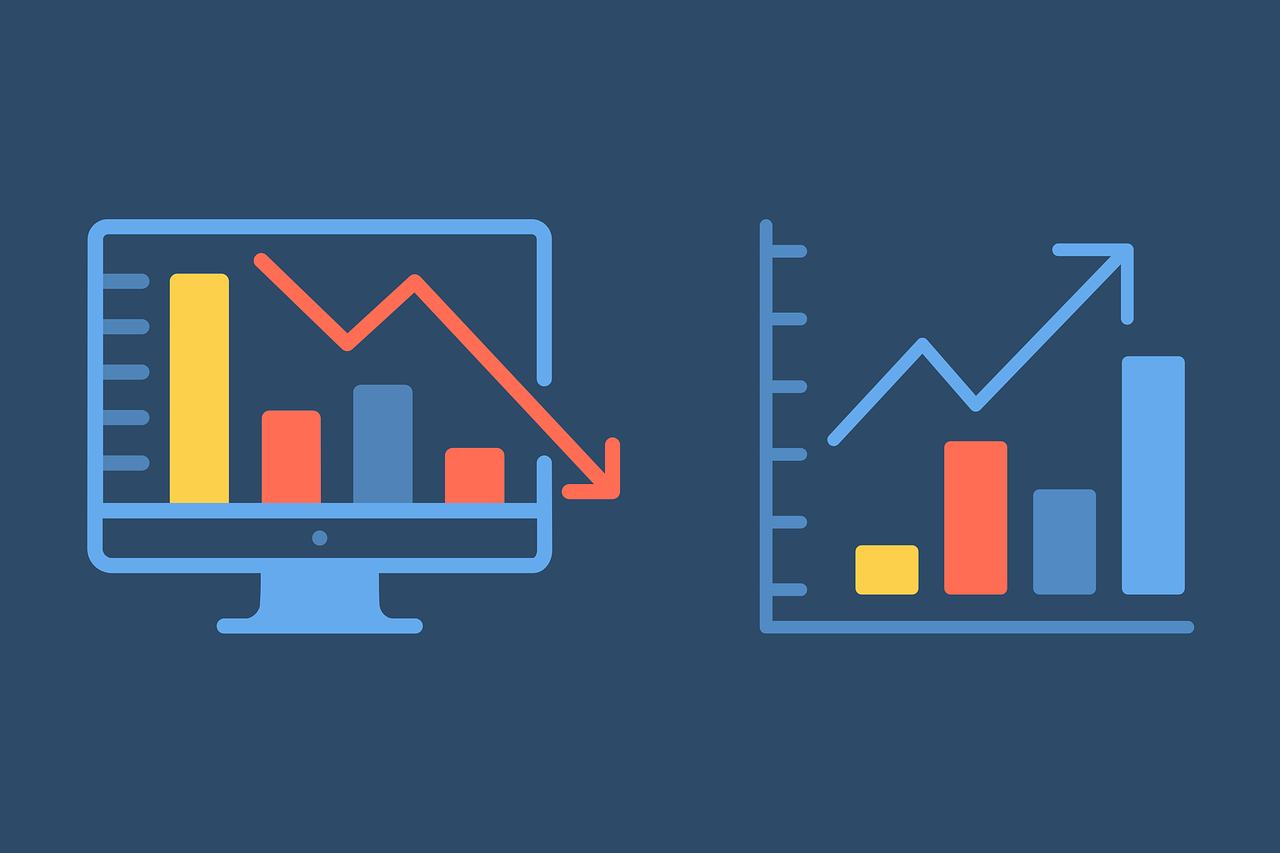
Multichannel marketing automation (MMA) has become an essential strategy in the finance sector. By streamlining various marketing channels, businesses can deliver cohesive messaging and maintain consistent engagement with clients. The cost aspect involves initial software investments, ongoing maintenance fees, and potential training costs for employees. However, the benefits are substantial, including automated customer segmentations, targeted campaigns, and improved lead nurturing. A thorough cost-benefit analysis helps finance leaders understand the return on investment (ROI) from implementing MMA. They need to consider both tangible and intangible benefits. Tangible benefits can be measured through increased conversion rates and reduced marketing spend, while intangible benefits include enhanced brand reputation and customer satisfaction. Therefore, assessing both sides influences informed decision-making. In the competitive finance landscape, adopting MMA could lead to significant advantages. Modern businesses aim for higher efficiency and precision in their marketing efforts. Through effective multichannel strategies, performance improves by fostering client relationships over time. Thus, companies are encouraged to evaluate the implementation of MMA within their marketing plans, recognizing its critical role in streamlining marketing communication processes.
Furthermore, it’s imperative to understand the various channels involved in multichannel marketing automation. Channels may include email, social media, websites, mobile applications, and even offline strategies. Each channel fits into the broader marketing framework, allowing for a seamless strategy that leverages the strengths of each platform. Through automation, businesses can send personalized messages, schedule posts, and analyze customer interactions across channels. This level of personalization enhances the user experience, leading to a more engaged client base. Moreover, each channel needs to be monitored for effectiveness, reporting metrics such as click-through rates, engagement levels, and customer feedback. Integrating analytics across these channels offers insights into customer behaviors and preferences. Marketers can test different strategies, compare results, and fine-tune future campaigns accordingly. The agility that multichannel marketing automation provides is crucial, as rapid market changes necessitate swift adaptations. By employing effective tracking tools, finance companies can make data-driven decisions. This ultimately maximizes their marketing efforts and gain competitive advantages, facilitating a more interactive consumer experience. The result is a comprehensive marketing approach that fosters stronger client relationships and boosts long-term profitability.
The Role of Data in Multichannel Marketing
Data plays a pivotal role in shaping successful multichannel marketing automation strategies within finance sectors. By collecting customer data from various touchpoints, businesses can identify trends and optimize campaigns. Gathering insights from customer interactions not only aids in personalization but also improves targeting accuracy. This data-driven approach ensures that messages reach the appropriate audience segments. Key performance metrics can include response rates, customer retention, and acquisition costs. Predictive analytics can enhance these results by anticipating customer behaviors. Leveraging this information enables finance companies to allocate resources more efficiently. Furthermore, combining demographic data with behavioral insights results in a richer understanding of customer preferences. Companies can then create more relevant offers that resonate with their audience. Integrating artificial intelligence (AI) can further accelerate this process by automating data analysis. AI streamlines operations, enabling real-time decision-making. Thus, utilizing data to optimize multichannel marketing automation increases overall efficiency. The finance sector, with its vast array of customer data, stands to benefit immensely from this marketing approach. By aligning their strategies with customers’ needs and preferences, businesses can drive sustainable growth and success in a competitive market.
Moreover, effective communication is integral to successful multichannel marketing campaigns. Combining messaging across various channels requires consistency and clarity. This leads to stronger brand recognition and improved customer trust. Finance organizations should develop comprehensive messaging strategies that ensure uniform communication across platforms. By maintaining a coherent voice, customers are less likely to feel disoriented by inconsistent messaging. Utilizing automation allows marketers to schedule and manage content efficiently, ensuring timely delivery of information. Engaging customers with informative content builds relationships and encourages continued interaction with the brand. Whether through educational resources or promotional offers, every piece must align with the overarching marketing goals. Cross-channel campaigns not only keep clients engaged but also serve to drive traffic to higher-converting platforms, such as websites or direct consultation. The goal is to create a holistic customer journey, uniquely tailored to each individual. As multichannel marketing evolves, finance sectors can benefit from trends like personalized experiences in real time. This approach requires continuous optimization and testing, as periodic adjustments can significantly enhance campaign performance. Investing in multichannel marketing automation ultimately positions finance businesses for ongoing success.
Challenges in Implementation
Challenges do arise when implementing multichannel marketing automation strategies in finance sectors. Initial resistance from team members may occur, especially if they are accustomed to traditional marketing methods. In order to overcome these hurdles, comprehensive training programs should be established. Prospective users must understand the capabilities of MMA software, acquiring confidence in using digital tools. Additionally, budget constraints may limit the resources allocated to new software implementations. Performing a cost-benefit analysis can guide decision-makers towards justified investments. Moreover, integrating different software systems remains a common technical challenge for finance organizations. This integration is essential for data continuity across channels, ensuring effective campaign execution. Compatibility issues can lead to data silos that hinder performance. Companies should focus on selecting versatile solutions that support multi-platform operations. Furthermore, a skilled team is necessary to analyze diagnostic data regularly, so continuous refinement strategies can be executed. Despite these challenges, organizations must recognize the immense potential of multichannel marketing automation. By persevering through the implementation process, finance sectors can reap the rewards of streamlined marketing efforts and improved customer engagement.
Ultimately, embracing multichannel marketing automation might be a game changer for finance sectors seeking innovative marketing strategies. The integration of technology amplifies reach potential while enhancing customers’ experiences. Businesses must be willing to adapt their marketing strategies to keep pace with changing consumer expectations. An effective MMA framework comprises numerous factors, including customer insights, appropriate channel selection, and consistent messaging. Real-time analytics serve as critical factors to promote improved marketing outcomes. Incorporating ongoing feedback mechanisms ensures that marketers continuously refine their approach. Innovative features such as lead scoring empower marketing teams to focus on high-potential prospects. Moreover, by crafting tailored content, companies can appeal to diverse audience segments, ultimately enhancing engagement. As the financial landscape continues evolving, multichannel marketing automation provides businesses with the necessary tools to stay competitive. It promotes agility while fostering deeper connections with customers through personalized communication. Consequently, finance organizations that invest in automation showcase their commitment to customer satisfaction and innovative practices. Establishing this commitment solidifies long-term relationships with clients, enabling steady growth. This shift towards automation will dictate the future of marketing in finance sectors.
The Future of Multichannel Marketing in Finance
This future orientation must consider technology trends, consumer behavior shifts, and market dynamics as finance sectors strive for growth. As automation technology continues to advance, businesses can anticipate utilizing more sophisticated systems that utilize machine learning and AI. These advancements allow for real-time optimization of marketing strategies, predicting customer needs more accurately. Furthermore, the increasing reliance on digital channels will likely accelerate, creating more opportunities for brands to engage clients across various platforms. Companies must remain agile and proactive as expectations evolve over time. Staying on top of emerging trends will allow finance sectors to tailor their marketing strategies effectively. Timely responses to changes in consumer behavior, preferences, and technological developments will shape the marketing landscape. Moreover, financial institutions should explore the benefits of integrating customer feedback into their automation strategies. This approach will enhance the personalization of marketing efforts. By emphasizing adaptability in their strategies, finance businesses can create innovative and results-driven campaigns that resonate with target audiences. Overall, a forward-thinking approach to multichannel marketing automation will determine the success of finance sectors in the coming years.
In conclusion, understanding the cost-benefit framework of multichannel marketing automation in finance is crucial for sustained growth. Analyzing various factors allows companies to develop enhanced customer engagement strategies that lead to successful outcomes. The overarching theme is the importance of blending technology with customer-centric strategies in a fast-paced financial environment. As finance sectors invest in multichannel marketing automation, the possibilities for improved efficiency, engagement, and profitability will continue to expand. Utilizing data analytics, optimizing communication channels, and maintaining consistent messaging will drive better marketing performance. Embracing automation ensures businesses remain competitive while catering to changing consumer needs. Organizations that prioritize multichannel strategies can foster deeper connections with clients, encouraging ongoing loyalty and trust. Additionally, overcoming implementation challenges presents a pathway to innovative solutions that streamline processes. As the industry evolves, finance organizations must leverage the full potential of multichannel marketing automation, actively embracing change. Keeping a keen eye on future trends aids in adapting strategies effectively. In conclusion, the integration of automation is not just beneficial but necessary for long-term success in the finance sector.