
Understanding Funnel Metrics to Boost B2C Sales
In the dynamic landscape of B2C marketing, understanding funnel metrics is crucial for driving sales. By analyzing these metrics, businesses can identify areas of improvement, optimize their processes, and ultimately increase revenue. Funnel metrics give insights into the customer journey, revealing how consumers interact with a brand from awareness to purchase. Key metrics include conversion rates, drop-off rates, and average time spent at each stage. Tracking these metrics allows marketers to pinpoint specific challenges and make data-driven decisions to enhance customer engagement. For example, a high drop-off rate at the awareness stage might indicate ineffective messaging or targeting. Conversely, a low conversion rate from the evaluation stage suggests potential issues with product offerings or pricing. Moreover, funnel metrics can help segment audiences, tailoring marketing strategies to specific customer needs. By honing in on funnel performance, businesses can develop targeted campaigns that resonate strongly with different customer segments. In conclusion, understanding and optimizing funnel metrics is essential for B2C companies aiming to enhance the effectiveness of their sales strategies and boost overall performance.
The Importance of Funnel Stages
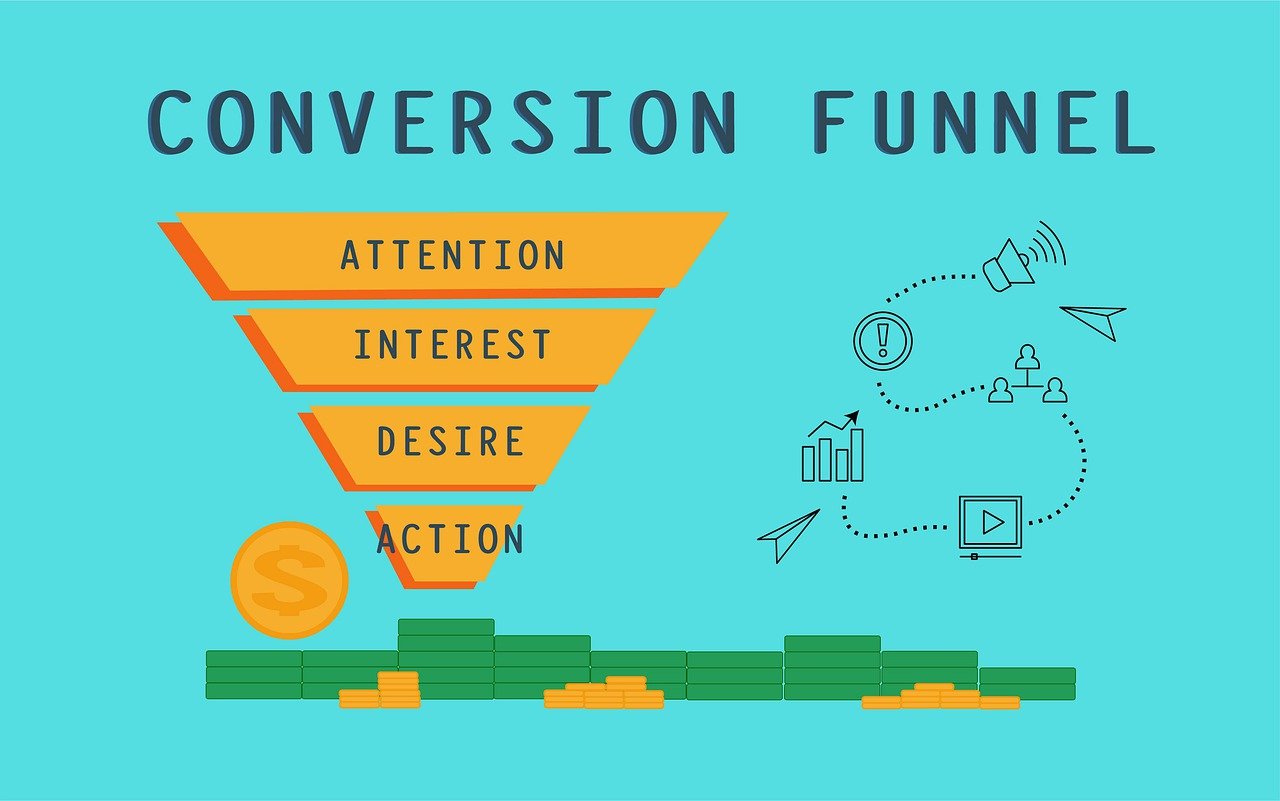
Each stage of the marketing funnel is critical for understanding customer behavior and optimizing sales. The funnel typically includes stages such as awareness, interest, desire, and action, commonly referred to as AIDA. At the awareness stage, potential customers first encounter a brand, making it vital to grab their attention through marketing strategies. Successful content marketing, social media advertising, and SEO practices can enhance visibility, drawing potential customers into the funnel. The interest stage involves engaging these customers, encouraging them to learn more about products or services. This can be accomplished through informative blog posts, videos, and customer testimonials that highlight the brand’s value proposition. Moving to the desire stage, marketers must evoke a strong emotional response, leveraging storytelling and persuasive language to connect with potential customers on a deeper level. Finally, the action stage is when prospective customers make a purchase decision. Ensuring a seamless purchasing process can significantly enhance conversion rates. By analyzing performance in each stage, marketers are better equipped to address weaknesses and capitalize on strengths, leading to increased sales.
Monitoring conversion rates at each funnel stage is essential for gauging success in B2C marketing strategies. Conversion rate metrics reveal the effectiveness of different marketing initiatives, guiding businesses to areas requiring improvement. For example, if the conversion rate decreases between the interest and desire stages, it may signal the need for enhanced product descriptions, engaging visuals, or clearer calls to action. Conversely, businesses experiencing high conversion rates can analyze successful elements to replicate them in other stages. Additionally, segmentation based on target audience behaviors can enable tailored marketing approaches, boosting overall conversion rates. Using analytics tools, such as Google Analytics or marketing automation platforms, businesses can track key performance indicators across the sales funnel. These tools provide invaluable insights, allowing marketers to test different strategies and monitor their effects in real time. Understanding customer behaviors through their interactions during various stages is critical for crafting effective marketing campaigns. By continually evaluating conversion rates and making necessary adjustments based on metrics, businesses can optimize their overall funnel performance and effectively increase sales.
Utilizing Analytics in Funnel Measurement
Analytics play an essential role in measuring and understanding funnel metrics in B2C marketing. By implementing analytics, marketers can comprehensively analyze customer behavior, trends, and preferences throughout the entire funnel. Using advanced analytics tools enables businesses to obtain real-time insights into user interactions, conversion rates, and even the time spent in each phase of the funnel. Moreover, a variety of metrics can be leveraged to assess the effectiveness of specific campaigns, pinpointing what resonates with potential customers. Using tools like heatmaps, click tracking, and user journey mapping can lend valuable insights into how consumers navigate through the funnel, enhancing future marketing efforts. Furthermore, integrating analytics with Customer Relationship Management (CRM) systems provides a complete view of customer interactions over time. This integration allows marketers to better understand customer experiences and tailor marketing strategies accordingly. With data-driven decisions, businesses can refine their messaging, choose optimal channels, and adjust offers that align with customer needs and preferences. Ultimately, utilizing analytics in funnel measurement empowers marketers to stay competitive and better serve their customers.
One of the key components to optimizing funnel metrics is addressing drop-off rates across the sales funnel. These drop-off points indicate where potential customers disengage or abandon the process, highlighting specific barriers to conversion. Analyzing where these drop-offs occur can lead to critical insights into how to refine marketing efforts and improve the customer experience. For instance, if many users drop off between product selection and checkout, the checkout process may need adjustments to be more user-friendly. Simplifying forms, providing guest checkout options, and ensuring payment methods are flexible can facilitate a smoother transaction experience. Another tactic to reduce drop-off rates involves continuous A/B testing against different marketing approaches. Testing variations of landing pages, email campaigns, and advertising channels can reveal the most effective strategies in capturing customer interest. With this information, marketers can iterate and refine their approaches, continuously enhancing their funnel performance. Additionally, educating customers throughout the funnel helps to minimize uncertainties and build trust, leading to higher retention rates. By focusing on reducing drop-off points, brands can significantly increase their conversion potential.
Leveraging Customer Feedback for Improvement
Customer feedback serves as a vital source of intelligence for refining funnel metrics and improving B2C marketing efforts. Collecting feedback through surveys, interviews, and social media interactions can provide valuable insights into customer preferences and pain points. Listening to customers enables marketers to develop solutions that genuinely meet their needs, enhancing overall satisfaction and encouraging repeat purchases. Additionally, feedback can highlight specific elements of the customer journey or content that resonated well, helping to replicate successes. Furthermore, using testimonials and case studies can create social proof, establishing credibility and driving potential customers deeper into the sales funnel. Analyzing feedback over time can also reveal emerging trends, allowing brands to stay agile and adjust strategies proactively. For instance, a common request for a particular feature may signify a growing customer demand that the business can address in future product iterations. By fostering open communication with customers, brands can enhance their engagement strategies and leverage positive feedback to strengthen relationships. Ultimately, embracing customer feedback leads to continuous improvement throughout the sales funnel.
In conclusion, understanding and optimizing funnel metrics is essential for B2C companies aiming to boost their sales. It requires a detailed analysis of each stage of the funnel, focusing on key metrics such as conversion rates and drop-off points. By leveraging analytics tools, businesses can gather critical insights and tailor their marketing strategies to appeal directly to their target audiences. Monitoring these metrics continuously allows brands to identify and address areas of weakness and capitalize on successful tactics. Empirical data-driven decisions empower marketers to refine their outreach, expanding brand awareness and improving customer engagement. Additionally, seeking and utilizing customer feedback creates a feedback loop that fosters trust and ensures customer demands are met. Lowering drop-off rates and increasing conversion rates ultimately surface ways to improve the customer journey, elevate user experiences, and drive sales conversion. Organizations that prioritize these aspects will put themselves at a competitive advantage in the ever-evolving B2C landscape. By embracing these strategies, businesses can ensure sustained growth and success through informed decision-making and enhanced funnel performance.