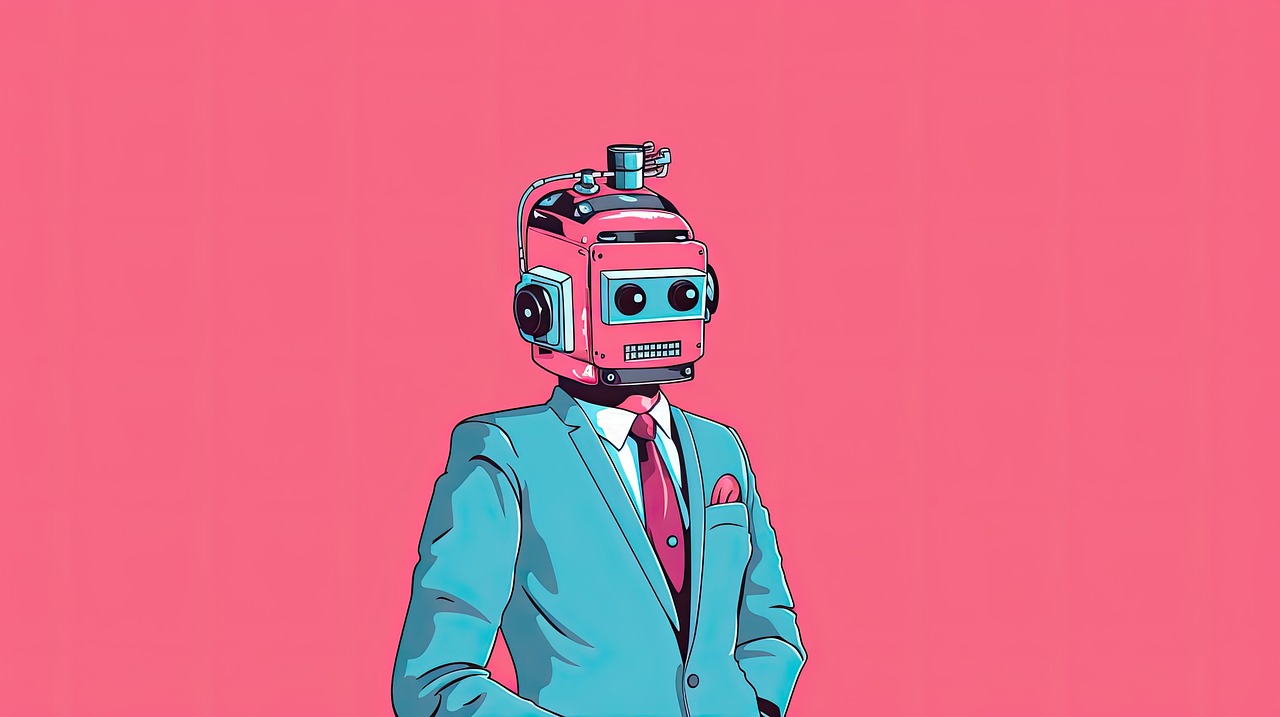

How Chatbots are Revolutionizing Customer Engagement
In today’s digital landscape, chatbots are emerging as critical tools for organizations aiming to enhance customer engagement. These AI-driven systems can communicate with users in real-time, providing instant responses to inquiries. By using natural language processing technology, they understand customer questions, allowing for a personalized experience that can address the unique needs of each user. Incorporating chatbots into marketing strategies enables brands to offer consistent customer service, significantly improving customer satisfaction and loyalty. As consumers demand quicker service, chatbots bridge the gap, ensuring that businesses can meet these expectations effectively. Furthermore, through analytics, companies can gather valuable insights from interactions, allowing for data-driven decisions to improve marketing approaches. Brands utilizing chatbots are likely to see reduced operational costs as these systems automate various repetitive tasks. This efficiency allows human employees to focus on more complex tasks that require personal interaction. With chatbots available 24/7, they ensure that customers receive answers anytime, leading to higher retention rates. As technology continues to evolve, the role of chatbots in marketing will expand, further revolutionizing the way organizations connect with their customers.
The Benefits of Implementing Chatbots
The integration of chatbots into marketing campaigns offers numerous advantages. Firstly, they can handle multiple conversations simultaneously, which is a significant improvement over traditional customer service channels. This scalability ensures that brands can manage high volumes of customer inquiries without compromising service quality. Secondly, chatbots enhance user experience through personalization. Advanced algorithms analyze past interactions and preferences, tailoring their responses accordingly. This individualized attention fosters a better relationship between brands and consumers, ultimately enhancing brand loyalty. Another substantial benefit is the reduction in operational costs. By automating customer service, organizations can decrease the need for extensive staffing, allowing resources to be reallocated towards other strategic initiatives. Additionally, chatbots collect data that provide actionable insights into consumer behavior. These insights enable marketers to refine their strategies, targeting specific demographics based on user interactions. Integrating chatbots also leads to improved lead generation, as they can qualify prospects through detailed inquiries. These AI systems work around the clock, ensuring that inquiries are never left unanswered, which can significantly enhance conversion rates. The overall customer journey becomes more streamlined and efficient with the presence of chatbots, ultimately leading to higher sales.
Businesses are increasingly adopting chatbots as part of their marketing strategies. Top companies, like Sephora and H&M, have already experienced significant success using chatbots for customer engagement. These brands leverage conversational AI to provide assistance with product recommendations, order tracking, and customer queries. Furthermore, chatbots are not limited to social media platforms—they can also be integrated into websites and mobile applications. This cross-channel capability ensures businesses can reach their audience wherever they are, delivering seamless communication that makes the buying process easier. The integration of chatbots across various platforms is critical for customer engagement, as it provides users with instant access to information and support. Brands that prioritize customer engagement through chatbots can tailor their offerings, adjusting their marketing strategies in response to real-time feedback from users. Additionally, platforms like Facebook Messenger offer businesses a built-in channel to connect with users, further enhancing their marketing reach. As new advancements in AI emerge, companies can look forward to more sophisticated chatbots that can respond to a broader range of inquiries. This evolution ensures that chatbots will remain at the forefront of marketing trends.
Chatbots and Enhanced Customer Support
Customer support is a crucial aspect of any successful business, and chatbots play a pivotal role in enhancing this area. They provide immediate assistance, significantly reducing wait times and improving overall efficiency. When customers have questions, they expect quick responses, and chatbots can deliver answers instantly. This timely support helps alleviate frustration and encourages customers to engage more with brands. Additionally, chatbots are programmed to provide 24/7 support, meaning customers can get help outside of traditional business hours. This constant availability is essential for international businesses operating across various time zones. Beyond just answering questions, chatbots can guide customers through troubleshooting processes, helping resolve issues without needing human intervention. When issues require human expertise, chatbots can escalate these interactions to live agents. This seamless transition ensures that the customer experience remains uninterrupted while complex queries are being addressed. As the technology improves, the potential for chatbots to handle even the most nuanced queries becomes more viable. Companies that leverage chatbot technology can create a more responsive and supportive customer service environment, ultimately fostering customer loyalty and enhancing satisfaction.
Chatbots are also revolutionizing the lead generation process in marketing. Unlike traditional methods that often rely on static forms, chatbots engage visitors in dynamic conversations. This interactive approach allows businesses to gather information from potential customers in real-time, significantly increasing the quality of leads captured. When visitors interact with a chatbot, they may reveal their preferences, needs, and pain points, enabling companies to better understand their audience. This information is invaluable for crafting personalized marketing campaigns. Furthermore, chatbots can nurture leads by sending tailored follow-up messages or reminders, guiding potential customers through the sales funnel. This targeted communication can lead to increased conversion rates, as users receive information and offers tailored specifically to their interests. The conversational nature of chatbots helps create a more engaging experience, encouraging users to return to the brand. By leveraging chatbots for lead generation, businesses can achieve more efficient customer interactions, ultimately streamlining their sales processes. Companies can also segment audiences based on their chatbot interactions, refining strategies to cater to specific customer segments. As the digital landscape evolves, chatbots will continue to define how businesses connect with potential customers.
The Future of Chatbots in Marketing
As technology advances, the future of chatbots in marketing looks promising. Emerging trends include the integration of artificial intelligence and machine learning, which will enable chatbots to process and learn from greater volumes of data. These advancements will give chatbots even more context in conversations, allowing for a genuinely human-like interaction experience. Future chatbots will be capable of recognizing voice commands, making it easier for users to engage without typing. This hands-free approach could widen audience reach, appealing to users who prefer voice over text. Moreover, the incorporation of advanced sentiment analysis will enable chatbots to interpret customer emotions, tailoring responses based on the user’s feelings. This can significantly enhance engagement and create more empathetic interactions. As businesses dive deeper into automation, chatbots will manage countless customer service tasks, making them invaluable resources for marketing teams. Innovations like augmented reality could also be integrated with chatbots, providing customers an immersive shopping experience. With so many possibilities on the horizon, businesses must stay current with chatbot technology to maintain competitiveness. As companies innovate, chatbots will increasingly become integral to successful marketing operations.
The emotional connection consumers feel towards brands is imperative, and chatbots contribute significantly to fostering this connection. Through personalized communication, these intelligent systems help humanize interactions, creating a sense of familiarity between brands and customers. By leveraging chatbots for storytelling, organizations can engage customers emotionally, enhancing brand perception. Chatbots can tell a product’s story, increasing consumer attachment and loyalty. Additionally, they can facilitate interactive experiences, encouraging customers to share their opinions and feelings. This ongoing dialogue keeps customers engaged and reinforces their connection to the brand. Chatbots can be programmed to celebrate milestones, such as birthdays or anniversaries, further embedding themselves into the customer’s life. This thoughtful engagement demonstrates genuine care and concern for customer satisfaction. Moreover, by integrating user-generated content into chatbot responses, brands can amplify consumer voices within their marketing. This not only strengthens the brand but also builds community among customers. As the consumer landscape continues to evolve, chatbots will become essential tools for building emotional connections that drive brand loyalty. Companies willing to adapt and innovate with chatbot technology will thrive in this competitive environment, experiencing growth in customer engagement.
Conclusion: Embracing the Chatbot Revolution
Embracing chatbots in the marketing landscape is no longer optional; it’s essential for staying ahead of the competition. These tools enhance customer interactions, streamline processes, and provide valuable insights that can inform marketing strategies. Businesses that integrate chatbots effectively will not only improve customer satisfaction but also drive profitability through increased engagement and conversion rates. As technology continues to advance, remaining open to innovations in chatbot capabilities will be crucial. To harness the full potential of chatbots, organizations must prioritize user experience and continuously adapt to consumer expectations. By focusing on personalization and emotional connection, brands can create an engaging environment that keeps customers returning. The future of marketing is undoubtedly linked with the evolution of AI-powered chatbots. Companies that recognize and invest in this transformation will stand to gain significantly in customer loyalty, branding, and market share. The road ahead will be exciting, as chatbots emerge as vital partners in building deeper connections with consumers. Embracing these advancements signals a commitment to providing exceptional service and fostering meaningful relationships with customers. With the right approach, the chatbot revolution is set to redefine marketing success.