
The Rise of Immersive Experiences in Advertising
The world of advertising is undergoing a profound transformation, fueled by the rise of immersive experiences that capture the attention of consumers. Immersive advertising encompasses various formats, including virtual reality (VR), augmented reality (AR), and interactive storytelling. These innovative tactics engage audiences in ways traditional marketing can’t, making brands more memorable and relatable. By leveraging technology, advertisers create environments that resonate with users and allow them to experience products and services firsthand. In an era where consumers are bombarded with advertisements, immersive experiences cut through the noise, forging emotional connections. For brands, this represents a significant opportunity to drive sales and foster loyalty. The immersive realm invites people to participate actively, whether it’s through VR product demos or AR-enhanced shopping experiences. Studies show that such engagements significantly enhance brand recall and influence purchasing decisions. As brands continue to embrace this evolution in advertising, we can expect more creative applications that push the boundaries of consumer interaction. Ultimately, the rise of immersive advertising heralds a new age of marketing that prioritizes experience and engagement over traditional messages alone.
The impact of immersive experiences on brands is profound and multifaceted. Notably, brands leveraging AR in their advertising strategies enjoy increased consumer engagement, allowing prospective customers to visualize themselves using the product. For example, furniture retailers have adopted AR apps that let customers virtually place furniture in their homes. This innovative approach enhances the shopping experience, reducing uncertainty. Additionally, immersive advertising helps in building stronger emotional connections with consumers. By creating experiences that evoke emotions, brands can inspire loyalty and advocacy. Customers are more likely to share positive experiences with friends, amplifying reach through word-of-mouth marketing. Social media also plays a pivotal role in this process, with consumers posting their immersive experiences, further spreading brand awareness. Another significant advantage is the ability to collect valuable data through immersive interactions. By analyzing user responses, brands can tailor marketing strategies effectively. This level of personalization fosters a deeper understanding of consumer preferences, enhancing future campaigns. As we move forward, the ongoing evolution of immersive technologies will continue to shape advertising strategies, positioning brands to thrive in an increasingly competitive digital landscape. This trend represents a shift towards prioritizing consumer experience and involvement.
Adopting Augmented Reality in Marketing
Augmented reality has emerged as a major player in the advertising sector, offering unique and engaging experiences for consumers. By integrating AR into marketing campaigns, brands not only enhance the relevance of their messages but also encourage engagement. Many companies are utilizing AR to create interactive and memorable advertisements. For instance, beauty brands often offer AR features that allow users to visualize how products would look when applied to their faces. This interactivity effectively bridges the gap between desire and purchase, making consumers feel more confident in their decisions. As this technology becomes increasingly accessible, brands that harness AR can improve advertising effectiveness substantially. Additionally, AR experiences can be shared across social media, further amplifying reach as users showcase their interactions. The potential for virality in this domain is immense, encouraging brands to craft compelling AR content. Businesses must, therefore, consider investing in AR capabilities and explore creative opportunities. The immersive nature of AR not only captivates consumers but transforms passive viewers into active participants in their brand narratives. This shift will likely redefine advertising, enhancing relevance and responsiveness to consumer needs and preferences.
Immersive experiences can significantly enhance storytelling in advertising, offering brands the ability to weave compelling narratives that resonate with consumers. By immersing audiences in captivating brand stories, advertisers can create emotive connections that linger long after the initial engagement. These stories can be conveyed through virtual worlds or interactive content, inviting users to step into the brand’s universe. This level of engagement encourages deeper understanding and connection to the advertised product or service. Utilizing detailed narratives helps brands convey their values and mission, bringing authenticity into the equation. Consumers today are more inclined to support brands that align with their values and narratives. Thus, storytelling through immersive experiences becomes crucial in establishing genuine connections and relationships. As brands explore immersive storytelling, they can leverage data insights to create targeted campaigns that address specific consumer interests and desires. By tailoring experiences and stories to diverse audiences, brands enhance the relevance of their messaging. Moreover, generating moments that inspire conversations around the narrative can extend the campaign reach. Ultimately, immersive storytelling helps create a memorable brand presence, enriching the overall consumer experience through engaging narratives and emotionally compelling materials.
The Role of Virtual Reality in Advertising
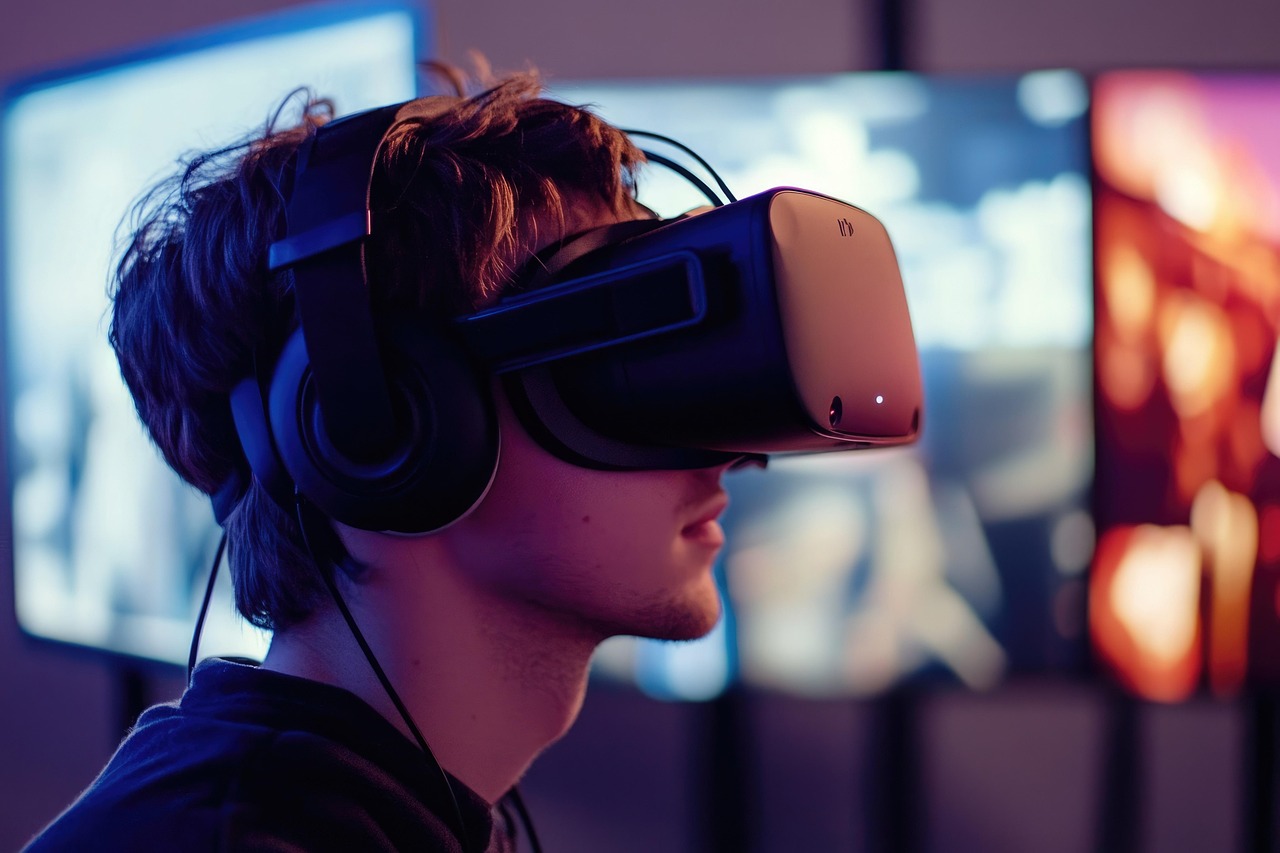
Virtual reality is another frontier explored by innovative advertisers, providing transformative experiences that truly engage consumers. Brands incorporating VR into their marketing strategies highly enhance consumer interaction and enjoyment. For example, automotive companies often use VR to allow potential buyers to experience a car’s features virtually before making a purchase. This creates a significant emotional connection as consumers explore their driving experiences in a simulated environment. Additionally, VR removes barriers to geographical limitations, granting access to products regardless of location. This aspect can be beneficial for global brands looking to enhance engagement across different markets. More importantly, VR helps advertisers tremendously by providing analytics and feedback through immersive encounters. Understanding user behavior within virtual settings offers valuable insights that can shape future campaigns. These insights enable brands to craft more personalized marketing efforts that resonate with target audiences. Moreover, VR allows for memorable experiences that consumers often feel compelled to share within their networks. As brands continue to explore VR technologies, we can expect continued innovation in the marketing landscape, transforming how brands connect and engage with their audience profoundly, promoting ongoing loyalty and interest.
The future of immersive experiences in advertising looks promising as technology continues to evolve. With advancements in data analytics, brands can create hyper-personalized immersive experiences designed to meet individual consumer needs. This allows advertisers to build deeper connections tailored to the unique preferences of their target audiences. Furthermore, as AR and VR technologies become more affordable and widespread, even smaller brands can explore innovative marketing strategies. These technological developments are democratizing immersive advertising, allowing more brands to find their voice in the crowded marketplace. As we look ahead, the integration of artificial intelligence with immersive technologies will further enhance marketing strategies. AI can analyze consumer behavior in real-time, facilitating adaptive campaigns that respond to preferences instantly. Collaborating with immersive VR and AR experiences can create highly interactive environments, ensuring brands maintain relevance and capture consumer interest effectively. Given these advancements, brands must remain agile and willing to experiment with new formats. An openness to change fosters creativity, enabling advertisers to explore uncharted territories while enhancing their connectivity with consumers. Brands that prioritize these dynamic advertising methods will likely dominate their respective industries as immersive experiences redefine engagement in the future.
Conclusion: Embracing Immersive Advertising
In conclusion, the rise of immersive advertising marks a pivotal shift in the marketing landscape. Brands that embrace AR and VR technologies to create engaging experiences can connect with consumers on emotional levels challenging traditional advertising forms. The significance of immersive experiences extends beyond mere engagement; they foster loyalty and brand advocacy. As brands invest in innovative approaches, they unlock valuable insights about consumer preferences and behaviors increasingly informed by experiential interactions. Furthermore, as competition within industries intensifies, the search for differentiation will become ever more critical. Consequently, immersive experiences serve as a valuable differentiator that can propel brands ahead of competitors. By adapting to evolving technologies and changing consumer expectations, brands can craft resonant narratives that leave lasting impressions. It’s essential for advertisers to remain open-minded and eager to experiment with emerging technologies. Building strategies that prioritize immersive experiences will ultimately yield long-term benefits in consumer trust, loyalty, and sales. As we advance into an increasingly immersive future, the opportunity for brands to thrive has never been more significant. The advent of immersive advertising lays the groundwork for engaging promotional experiences that resonate deeply with consumers and drive lasting connections.