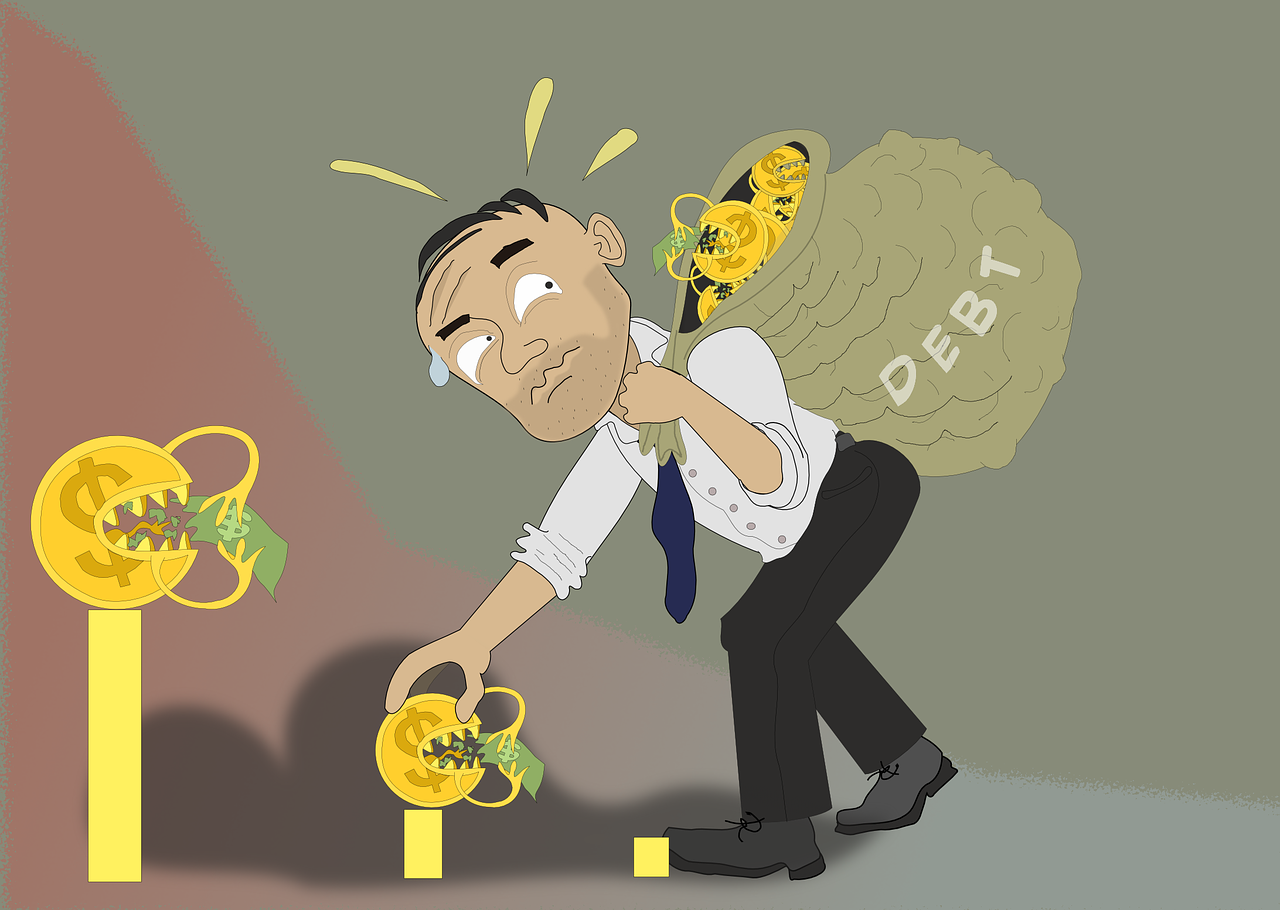

Legal Rights Regarding Debt Collections After Job Loss
Experiencing a job loss can be an unsettling time, especially if debts start piling up. Understanding your legal rights regarding debt collection becomes essential. The federal Fair Debt Collection Practices Act protects consumers from abusive debt collection practices. This law limits the methods that debt collectors can use when attempting to collect debts and provides guidelines for consumers facing debt. Debtors have the right to dispute the debt, request validation, and cease communication if harassment occurs. Furthermore, it is important to know that your basic rights include not being contacted at unreasonable hours or inappropriately aggressive manners. Additionally, under this law, collectors may not contact your work if you inform them not to. Understanding these rights is imperative for those who have lost their jobs, as it provides leverage when dealing with collectors. There are organizations and legal resources available to assist with debt concerns, which can help individuals ascertain their rights. Keep detailed records during this period, noting all communications with creditors and collectors to protect your rights against any potential legal violations.
Job loss can lead to overwhelming financial strains and diminished capacity to manage debt. During this challenging period, knowing the procedures to dispute debts can serve you well. If a debt collector contacts you demanding payment, the first step is to know how to dispute the debt. The Fair Debt Collection Practices Act allows consumers a chance to validate the debt. You must communicate your dispute in writing to the collector within 30 days of their first contact. After a dispute is filed, the collector is obligated to verify the debt before continuing collection efforts. If the debt cannot be validated, it must be deleted from your credit report. Conduct research on debt validation letters online, or consider utilizing templates to draft your own. Documentation is key; always send your letters by certified mail and keep copies for your records. If subsequent calls attempt to collect the disputed debt, you might be able to pursue legal action, depending on the situation. Being proactive after initiating a dispute can help safeguard your rights and provide a solid foundation for future financial stability.
Handling Collections After Job Loss
Handling collections after losing your job requires a careful approach and understanding of your situation. Debt collectors often do not take into account your job situation and may pursue aggressive tactics. If you’re facing harassment, remember that you can put the collection agency on notice. Inform them that you are currently unemployed and unable to meet your debt obligations. To minimize stress during this time, keeping all communications in writing is advisable. This helps build your case if you encounter aggressive or illegal collection attempts. Additionally, it’s crucial to set a budget and prioritize necessary payments such as rent and utilities before addressing debt payments. Contacting creditors directly might prove beneficial; some may offer hardship programs or payment plans suitable for your circumstances. Open and honest communication about your situation can lead to more manageable arrangements. Lastly, consider speaking with a financial advisor who specializes in unemployment and debt management. They can provide valuable insight and help you navigate through this trying period. Remember, proactive decision-making can help alleviate some pressure while regaining stability.
While it’s crucial to manage your debt responsibly after job loss, understanding bankruptcy as an option may provide relief. Filing for bankruptcy can discharge certain debts and provide a fresh start financially, yet it is not a decision to make lightly. Individuals are entitled to file under Chapter 7 or Chapter 13, depending on their unique situation. Under Chapter 7, many unsecured debts may be eliminated entirely, but individuals must meet criteria based on income and assets. However, Chapter 13 involves creating a payment plan that allows debtors to repay some of their debts over time. Both processes require legal assistance, which can provide necessary protection from aggressive collection efforts during proceedings. This legal shield allows individuals to breathe easier while reorganizing their financial responsibilities. Always try to consult with a qualified bankruptcy attorney to discuss potential pros and cons based on your financial scenario. Evaluating this path thoroughly aids in making informed decisions moving forward. Ultimately, bankruptcy can be a powerful tool, but knowledge and preparation are crucial to navigate this process effectively.
Know Your Rights Against Creditors
As you deal with collections due to job loss, knowing your rights regarding creditors can be instrumental. The Fair Debt Collection Practices Act gives consumers several important rights. For example, you’re entitled to receive a written notice about the debt owed, including the amount and creditor’s details. You also have the right to request the collector to cease contact if you find their methods distressing. Additionally, creditors cannot misrepresent themselves or the debt owed, and they must treat consumers with respect and professionalism. If you feel that a collector is acting illegally, you may file a complaint with the Consumer Financial Protection Bureau (CFPB) or your state’s attorney general. Taking action can help combat aggressive tactics that impair your well-being. Be aware that multiple collections attempts can affect your credit score during job loss. Therefore, maintaining clear communication and understanding your rights against creditors is necessary for mental clarity and financial management. Likewise, seeking local financial education resources can enhance your knowledge and help protect your assets, ensuring you remain informed as you navigate this sector.
During the struggle of managing debts after losing a job, it may be wise to consider debt counseling services. These organizations can help you to understand your options, teach debt management skills, and sometimes negotiate with creditors on your behalf. Such services can provide hope and guide you in the right direction. Reputable agencies typically offer free consultations and may discuss your situation thoroughly without pressure. It’s crucial to research any counsel to avoid predatory services that charge exorbitant fees or mislead consumers. Resources such as the National Foundation for Credit Counseling can offer support during these challenging times. Additionally, participating in financial literacy workshops can further enhance your understanding of managing debt while searching for employment. Building a solid financial foundation will benefit you in the long run, enabling recovery from any job-related debt situations. Navigate through this period by engaging with supportive services, asking for assistance, and staying informed. Personal finance can be complex, but gaining knowledge and utilizing resources can empower you to take proactive steps toward debt reduction.
Conclusion: Facing Debt Challenges
Facing debt challenges after losing employment can seem insurmountable, yet you possess rights and resources that can assist you. Knowing your legal protections is vital in reclaiming some control during uncertain financial scenarios. From communicating with collectors to understanding bankruptcy options, being informed can alleviate some of the pressure. Always ensure that you document all correspondence and seek opportunities for negotiation with creditors to ease your burden. Simultaneously, consider utilizing local financial services and nonprofits to bolster your knowledge and develop effective debt management strategies. Taking a proactive approach will not only help mitigate stress but also lay the groundwork for future financial security. Remember, navigating this terrain is a journey that requires patience, and the resources available to you can ultimately guide you to a healthier financial position. Concentrating on your rights and responsibilities can empower you during this trying time. Ultimately, staying informed and proactive will facilitate your recovery process, helping to return to a stable footing. With time and effort, it is possible to emerge from these challenges stronger and more equipped for future financial management.