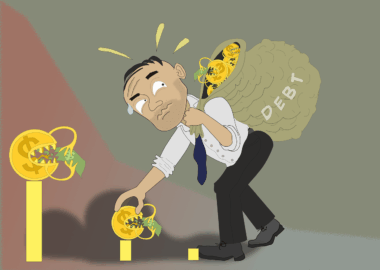

How to Create a Debt Repayment Plan That Works
Creating an effective debt repayment plan is essential to achieving financial stability. The first step is understanding your total debt amount, which includes outstanding balances from credit cards, personal loans, and any other debts. Gather all your statements to calculate a clear picture of what you owe. Next, calculate your monthly income, accounting for after-tax earnings, bonuses, or additional revenue streams. This assessment helps you grasp how much you can allocate toward debt each month. Once you know your debt and income, list your debts in order of priority. This list can include the total balance owed, monthly payment amounts, and interest rates. Target high-interest debt first while maintaining minimum payments on others. This strategy helps save on interest. Furthermore, assess your monthly expenses to identify areas to cut back on spending. Allocating these savings directly to your debt repayment plan is crucial. It can be beneficial to utilize budgeting apps or personal finance tools to track progress and expenses effectively. With commitment, you can establish a sustainable path to financial freedom that will simplify your journey to living debt-free.
Once you have a clear picture of your debts and monthly income, consider various repayment strategies. The two primary methods include the avalanche and snowball methods. The avalanche method focuses on paying off the highest-interest debt first, saving money on interest over time. This method can be more financially efficient, especially long-term. In contrast, the snowball method emphasizes paying off smaller debts first, creating quick wins and boosting motivation. Depending on your personality and financial circumstances, choose the method that best resonates with you. Additionally, consider consolidating debts into a single payment if you have several creditors. Debt consolidation loans can often reduce interest rates, as well as simplify your monthly payments. Look for reputable lenders offering favorable terms. Be cautious, though; poorly researched consolidations can lead to more debt. As you implement your repayment plan, set specific, measurable goals. For instance, aiming to pay off a specific debt within a set timeframe can help keep you accountable and focused. Monitoring your progress regularly can also empower you by showcasing financial improvements over time, boosting motivation and commitment to sticking with your plan, ultimately leading to your debt-free future.
In addition to traditional repayment strategies, be proactive and explore side hustle opportunities to generate extra income. The gig economy offers various flexible options, allowing you to earn additional funds that can be directly applied to your debt. Whether driving for a ride-share service or freelancing online, extra income can significantly speed up your repayment timeline. Furthermore, consider reducing non-essential expenses in your lifestyle. Assess areas like dining out, subscription services, or expensive habits that might be diverting funds away from your goals. Creating a spending limit for entertainment or discretionary purchases can help prioritize debt repayment. Communicate openly with creditors to negotiate lower interest rates or more manageable payment plans as needed. Many lenders are willing to cooperate, especially when you express a genuine interest in staying on track. Participate in financial education workshops or seek advice from financial advisors. Expanding your financial knowledge can provide beneficial insights into managing debt effectively. Several organizations offer free resources, such as budgeting tools and loan management tips. Make the most of these invaluable tools to enhance your financial awareness continuously.
Staying Motivated During Your Debt-Free Journey
While working towards debt freedom, maintaining motivation is essential. Set up a reward system to celebrate milestones, such as paying off certain debts or reaching savings goals. Small rewards like treating yourself to a nice meal or an enjoyable experience can reenergize your efforts. Keep track of your progress visually, such as using charts or visual aids to display your journey toward reducing debt. For many, seeing tangible progress can be a motivating factor. Surround yourself with a supportive community; share your goals with friends or family who can encourage you along the way. Joining online forums or local support groups can also provide social interaction and advice. Learn from others who have succeeded in their debt repayment goals, gaining inspiration from their stories. Evaluating your priorities regularly ensures your repayment plan remains effective and aligns with your long-term financial goals. Be patient, as obstacles arise. Life can throw curveballs, but resilience is key. Adapt your strategy and keep moving forward, even if it means adjusting your timelines. Each step taken is a victory worth celebrating as you move closer to a debt-free reality and achieve your financial dreams.
As you progress in your debt repayment journey, reassess your financial habits. Incorporating mindful spending can safeguard against accumulating new debt. Make a commitment to living within your means by tracking expenses and adhering to a budget. Consider employing the 50/30/20 rule, which allocates 50% of your income to needs, 30% to wants, and 20% to savings or debt repayment, providing structure to your financial planning. Additionally, maintaining an emergency fund prevents reliance on credit during unexpected circumstances, allowing you to avoid further debt in emergencies. Starting with a small amount contributes over time to a sustainable safety net. Focus on building healthy financial habits that support your long-term goals rather than short-term desires. Every financial decision should consider how it impacts your debt. Identify behavioral triggers that lead to unnecessary spending and develop strategies to manage them effectively. Limiting impulse purchases by waiting a few days before committing can help you reassess needs versus wants calmly. Ideally, create a financial journal to document experiences, decisions, and outcomes, serving as both a reflective practice and motivating tool on your road to a debt-free lifestyle.
Seek Professional Help If Needed
Sometimes, overcoming debt may require guidance from professionals. Debt management companies and financial advisors can offer personalized support tailored to your situation, helping you to create practical strategies for repayment. They might assist in negotiating lower rates with creditors or proposing streamlined repayment plans that fit your budget. Before engaging with a professional service, research thoroughly to ensure credibility. Customer reviews and testimonials can provide insight into the efficacy of the service you consider. Be cautious, as there are many scams in the debt management industry. Additionally, credit counseling services may help improve your understanding of effective financial management techniques. Many nonprofits offer free counseling sessions and workshops that teach budgeting, saving, and responsible credit usage. Educating yourself is critical because empowered individuals make informed decisions on managing debt effectively. Some people find that support groups provide encouragement and accountability, serving as an essential aspect of their journey to financial health. Always remember that you are not alone, and many others share similar struggles. Sharing experiences and resources can provide immense strength in overcoming financial challenges together.
The final stage of your journey towards a debt-free life is celebrating your success. Once you have paid off your debts, take a moment to reflect on the challenges faced and the victories achieved. Achieving this milestone not only signifies a reduction in financial burdens but also contributes to greater mental and emotional well-being. Consider establishing new financial goals now that you are debt-free; perhaps building an investment portfolio or saving for major life experiences is on your horizon. Maintaining the budgeting habits formed throughout your debt repayment journey can fortify your ongoing financial health. Continue to monitor spending, save diligently, and avoid future debt traps. Stay informed about financial literacy through continued learning and estate planning knowledge. Make it a habit to review your financial situation regularly to ensure sustainable progress in your financial journey. Set personal challenges to manage your income, strategizing success without the weight of debt. Finally, share your story of recovery with others—you might inspire someone else facing similar struggles to commit to their debt-free journey. Ultimately, financial freedom is achievable with perseverance, knowledge, and support.
Conclusion
Debt reduction is a significant step toward achieving financial well-being. By creating a solid repayment plan and employing effective strategies while staying committed to your goals, financial stability can be attained. Remember, the journey may be daunting, but with diligent effort and wise choices, achieving a life free from the burden of debt is possible. Adapting to unexpected circumstances along the way and remaining flexible are crucial components of ensuring ongoing success. Surround yourself with a supportive community, keep educating yourself, and remain proud of every milestone along the journey. Building a foundation for sustainable financial practices will not only mitigate stress but lay the groundwork for future prosperity. Celebrate small wins, learn from setbacks, and continue striving towards your aspirations. Maintaining a positive mindset and focusing on long-term goals will encourage perseverance in this journey. Additionally, invest time in understanding personal finance concepts and strategies that contribute over time to improved financial choice. The hard work invested in achieving debt reduction will reap long-term rewards, enriching your financial future and allowing freedom in making life choices. Keep your vision clear: a debt-free life is within reach.