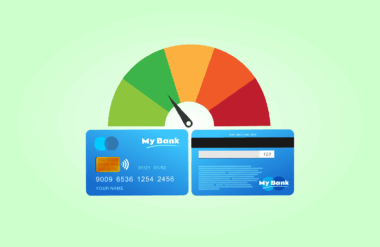

Integrating Market Trends into Credit Analysis
In the modern financial landscape, credit analysis has evolved beyond traditional methods. Analysts now integrate market trends substantially, requiring deeper insights into economic indicators. Understanding macroeconomic conditions is pivotal in assessing borrowers. Analysts examine various factors, such as GDP growth rates and inflation, to derive implications for creditworthiness. The overall economic health profoundly influences consumers’ ability to repay debts. Additionally, market trends affect interest rates, impacting borrowing costs. Analysts must continuously monitor changes in fiscal policies too. Interest rates dictate borrowing affordability, directly influencing consumer behavior and credit demand. Hence, comprehending the broader economic picture aids lenders in making informed decisions regarding credit. Credit analysis has become more dynamic due to technology advancements. Access to vast data through machine learning and analytics provides valuable insights about borrower behavior. Leveraging these trends can expose possible risks, enabling proactive measures. With technology, risk assessment can become more refined, allowing tailored credit solutions that fit market changes. As we explore the synthesis between market trends and credit analysis, it’s essential to emphasize strategic adaptations to safeguard investment portfolios and maintain sustainable lending practices.
Key Market Indicators Affecting Credit Analysis
Key market indicators significantly shape modern credit analysis. Analysts evaluate unemployment rates, consumer confidence indexes, and housing market trends. Each component plays a crucial role in predicting repayment capacities among consumers. For example, high unemployment rates usually correlate with lower consumer confidence and increased default risks. Similarly, fluctuating housing prices impact credit scores significantly. Mortgage-backed securities are affected directly by these price changes, necessitating constant monitoring. Moreover, the interest rate environment is pivotal for credit analysis. Analysts predict consumer behavior by observing rate hikes or cuts, influencing loan affordability. High-interest rates typically result in decreased borrowing, impacting overall credit demand. In contrast, low rates can stimulate borrowing, boosting economic growth. Furthermore, inflation rates describe purchasing power dynamics; inflation influences consumer savings and expenditure patterns. Bond market yields also inform credit analysts regarding risk premiums associated with various securities. By grasping these market variables, credit analysts can enhance their predictions, adjusting risk parameters according to economic shifts. Market indicators better equip credit analysts to identify trends, ultimately informing lending strategies aligned with evolving economic landscapes.
Moreover, the integration of technology in credit analysis furthers the quality of assessment. Advanced tools allow analysts to aggregate market data and borrower behavior patterns quickly. The usage of big data provides deeper insights never achievable manually. These technologies enable timely identification of potential defaults and opportunities in lending. Analysts leverage data on spending habits and payment histories to evaluate clients more accurately. Continuous monitoring systems allow them to adapt quickly to changing economic conditions as they unfold. Additionally, utilizing artificial intelligence facilitates predictive modeling. Credit analysts can better forecast future borrower tendencies by analyzing millions of data points simultaneously. This approach results in more accurate risk assessments, minimizing exposure to potential defaults. Enhanced risk mitigation strategies may emerge through such thorough analyses, allowing lenders to make more informed decisions. The convergence of market trends with technological advancements creates a proactive approach to credit risk management, aligning lending portfolios with real-time data. Effectively, this strategic integration arms credit analysts with the necessary tools to navigate an increasingly complex financial landscape, ensuring sustainable practices for both lenders and borrowers.
The Role of Economic Policies
Economic policies directly influence credit analysis, impacting borrowing behaviors significantly. Policymakers’ decisions on fiscal and monetary strategies shape the economic environment. Understanding these policies helps credit analysts evaluate future credit risks effectively. For instance, expansive monetary policies aimed at stimulating growth can lead to increased credit availability, thus expanding consumer borrowing capabilities. However, eventual tightening of these policies can signal higher risks of defaults. Inflation control measures, such as interest rate hikes, affect consumers’ expenses, leading to broader implications for credit. Maintaining a close eye on government regulations and tax policies is also crucial. Tax incentives for lending might stimulate credit growth, while unfavorable regulations could stifle lending activities altogether. Moreover, analysts must consider the potential impact of international economic policies; global trade dynamics can affect domestic consumption and lending. Currency fluctuations may also influence the cost of borrowing for consumers and businesses. By incorporating these factors into their assessments, credit analysts develop a comprehensive understanding of lending landscapes, ensuring their forecasts remain robust. Hence, the relationship between economic policies and credit analysis is cyclical, with each influencing the other systematically.
Furthermore, understanding consumer behavior is paramount in credit analysis amidst shifting market trends. Consumer sentiment drives borrowing decisions, often dictated by economic conditions. As analysts study these behavioral patterns, they discern trends that forecast repayments and defaults. Emotional factors, outside pure economic metrics, also play significant roles. For instance, during times of economic uncertainty, consumers often become more cautious, reducing their borrowing needs. Awareness of these psychological tendencies enhances credit assessments. Moreover, demographic shifts influence consumer behavior as well. Younger generations may prefer alternative credit solutions, challenging traditional lending models. Analysts must remain adaptable to these trends, fostering innovative products that resonate with emerging consumers. Tailoring credit products to cater to different demographic needs can significantly reduce default risks. Incorporating feedback from market research may help analysts adapt to changing consumer preferences. Social media platforms and online reviews may reveal consumer sentiment shifts impacting credit decisions in real-time. By aligning credit structures with evolving consumer behavior, analysts bolster lenders’ positions in competitive markets. Therefore, maintaining a finger on the pulse of consumer preferences is essential for successful credit analysis.
Final Thoughts on Credit and Market Trends
In conclusion, integrating market trends into credit analysis empowers analysts to enhance their decision-making processes. The dynamic relationship between economic indicators and consumer behavior plays a critical role in shaping credit assessments. As the financial landscape evolves, incorporating data analytics improves understanding regarding market influences on credit. Analysts can identify emerging trends, tailoring lending strategies to fit changing economic conditions. Technology continues to revolutionize credit analysis practices, from predictive analytics to real-time monitoring. This proactive approach allows lenders to mitigate risks effectively while capitalizing on opportunities in a shifting market. Furthermore, staying informed about economic policies and their implications ensures analysts remain responsive to regulatory changes. Ultimately, successful credit analysis hinges upon flexibility, adaptability, and a willingness to embrace new methodologies. Reassessing traditional strategies while integrating contemporary practices can lead to more profound insights. As we continue navigating this intricate ecosystem, it is vital to appreciate the interplay between market trends and credit analysis fully. A comprehensive understanding of this relationship equips credit analysts to strive for excellence and foster healthier lending environments that support sustainable growth.
Thus, the future of credit analysis relies heavily on the convergence of data, technology, and market awareness. Credit analysts must cultivate skills that enable them to analyze vast amounts of information effectively. The evolution of analytical frameworks will shape how credit is assessed in the long term. Embracing change and remaining attuned to market fluctuations ensures that lenders can maintain their competitiveness. Real-time data integration will likely define the next phase of credit analysis, where instantaneous insights replace traditional analyses. As analysts acquire adeptness with emergent technologies, they position themselves as indispensable assets in lending institutions. In the ever-shifting financial landscape, reading market signals accurately becomes paramount, with implications for borrowers and lenders alike. As credit markets respond to both domestic and global influences, understanding this complexity will foster better decision-making. Therefore, as we look ahead, it’s imperative for credit analysts to adapt continuously, acquiring knowledge and tools that facilitate effective credit assessments. The intersection of market trends and credit analysis will only deepen, offering new opportunities for innovation and insight. Fully embracing these shifts ensures that credit analysis remains relevant and impactful in the ever-changing world of finance.
The Path Forward for Credit Analysts
Looking ahead, credit analysts must prioritize integrating market insights and advanced analytical frameworks into their processes. A robust strategy likely encompasses collaboration across industries. Financial institutions and analysts need to work together to understand better consumer expectations. Continuous learning and professional development are essential in an environment raging with innovation. Embracing novel methodologies and technological methodologies is vital. Furthermore, experts should leverage collaboration to share findings, experiences, and lessons learned in navigating market dynamics. Such collaboration encourages broader perspectives, ensuring informed decision-making. The utilization of advanced analytics tools will enhance efficiency and accuracy in credit analysis. By leveraging technologies effectively, analysts can streamline their processes, gaining an edge over competitors. Continuous investment in tools that aid data visualization and interpretation can augment decision quality significantly. Ultimately, the journey forward must focus on cultivating a culture of adaptability. Credit analysts must be prepared to pivot according to market trends, consumer behaviors, and emerging technologies. This engagement will create a sustainable and responsible approach to credit analysis. A proactive stance regarding market integration ensures that credit analysis evolves, remaining relevant in a continuously changing financial landscape.