
The Impact of High-Interest Debt on Your Finances
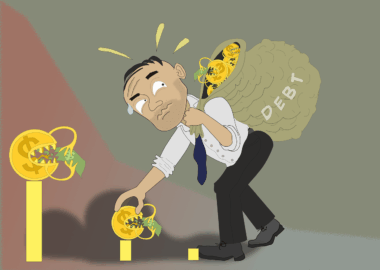
High-interest debt can significantly affect your financial health, leading to ongoing stress and anxiety. Many individuals accumulate debts due to unexpected expenses, such as medical bills or home repairs. When you rely on credit cards or payday loans, the interest rates can be astronomical. High-interest rates mean you’ll pay more over time, often leading to a cycle of debt that’s hard to escape. The impact of this can spill over into other areas of your life; it can strain relationships and hinder personal development. Additionally, with so much of your income going towards debt repayment, saving for emergencies or retirement becomes nearly impossible. Understanding the implications of high-interest rates is essential for effective personal finance management. You should consider consolidating your debts or negotiating lower interest rates. The focus should always be on creating a plan to reduce overall debt. Financial literacy plays a crucial role, as it empowers you to make informed decisions that can lead to a healthier financial future. Budgeting and financial planning can provide a pathway to recovery and stability, allowing you to regain control of your finances.
High-interest debt often leads to missed payments, further penalties, and a declining credit score. Your credit score is vital; it impacts your ability to secure loans, mortgages, or even rental agreements. A low score may result from late payments, making lenders perceive you as a higher risk. Protecting your credit score is crucial because it affects your financial future and opportunities. When you have high-interest debt, it may seem you will never escape. However, understanding your financial situation gives you tools to address it. Analyzing your income and expenditures is your first step towards managing debt effectively. Start by creating a budget to control your spending and determine how much can be allocated towards debt repayment each month. Prioritizing high-interest debts will help you save money long-term. Strategies like the snowball effect, where you pay off the smallest debts first, or the avalanche method, focusing on high-interest debts, can be effective. Moreover, seeking advice from financial advisors can provide additional insights into debt reduction strategies ensuring you take actionable steps towards becoming debt-free.
Consequences of Ignoring High-Interest Debt
Ignoring high-interest debt can lead to dire consequences for your financial stability. When debts remain unaddressed, the balance continues to accumulate due to interest rates, making the situation more challenging over time. If you only pay the minimum balance each month, your debt can linger indefinitely. This inflexible approach limits your financial growth; you may miss opportunities to invest or save money. Furthermore, unresolved debts can lead to collections and legal action, affecting both your mental well-being and daily life quality. Individuals may face wage garnishments, which means losing a portion of their income to pay off debts. This can create further stress and difficulties in managing basic living expenses, such as groceries and rent. Facing high-interest debt may feel overwhelming; however, seeking help is available. Credit counseling services can offer support tailored to your conditions. By acknowledging your debts and exploring solutions, you can gradually regain control over your finances. Developing a solid strategy for managing high-interest debt ultimately protects your financial future and relieves the pressure of crippling payments.
Moreover, high-interest debt can hinder your ability to plan for long-term goals, such as homeownership or retirement. When a significant portion of your monthly income is allocated to servicing this debt, you may find it nearly impossible to save effectively. It’s often noted that high-interest payments compound over time, further stretching your finances. The burden of these payments can lead to stress and a sense of hopelessness. However, understanding the true cost of high-interest debt is a critical first step in addressing the issue. The longer you wait to tackle high-interest debt, the more challenging it will become to manage. Additionally, financial education resources can provide valuable insights into effective debt management. Look for materials that help you understand interest calculations, repayment strategies, and budgeting techniques. Breaking free from the cycle of high-interest debt requires dedication and a solid plan. Implementing strategies like debt snowball or avalanche methods can significantly impact your overall financial health. Remember, regaining control over your finances is a gradual process; focus on small, achievable milestones to keep your motivation high.
Creating a Debt Repayment Strategy
Establishing a solid debt repayment strategy is essential for those struggling with high-interest rates. Prioritize assessing your total debts, including interest rates and minimum payments. This information helps you form a clear picture of your financial landscape, guiding your approach towards repayment. Determine a realistic budget and commit to allocating a percentage of your monthly income towards debt repayment. Strategies such as the debt avalanche can help you tackle high-interest debts first, quickly reducing the total interest paid over time. Alternatively, the debt snowball strategy focuses on paying off the smallest debts first, providing emotional encouragement as you clear your balances. Consider consolidating high-interest debts into a lower-interest loan to simplify repayments and potentially save money. This may involve exploring options like personal loans or balance transfer credit cards. Always remain mindful of maintaining a positive payment track record, as consistent repayments can gradually improve your credit score. As you create and execute your debt repayment plan, celebrate small victories to boost morale and maintain momentum. Progress in debt reduction fosters positive spending habits and ultimately leads to financial freedom.
Tracking your progress in reducing high-interest debt is essential to stay motivated. You can harness various tools and apps designed to assist in monitoring your debts and finances effectively. Regularly reviewing your budget and debt repayment plans offers insights into areas needing improvement. Armed with this information, you can adjust your strategies, ensuring that you are on the right path. Remember that staying flexible is vital, allowing you to adapt to any changes in your financial situation. In addition, creating and maintaining an emergency fund can shift your focus from immediate debt repayment to broader financial goals. This fund prevents you from relying on high-interest loans for unexpected expenses, ultimately aiding your debt management efforts. Educating yourself on personal finance best practices ensures you make informed choices regarding expenses and investments. Consider joining online forums or local groups focused on personal finance discussions to learn from others who have experienced similar challenges. Surrounding yourself with a supportive community can empower you to continue on the path toward financial stability and reduced debt.
Conclusion: Achieving Financial Freedom
Ultimately, achieving financial freedom from high-interest debt requires commitment, persistence, and a well-structed strategy. By taking a proactive approach to your financial health, you can combat the stress associated with overwhelming debts. Start by educating yourself on managing personal finances and exploring available resources. Create a comprehensive repayment plan tailored to your unique situation, enabling you to take actionable steps that lead to gradual improvements. Set realistic goals for yourself and track your progress. Celebrating milestones, no matter how small, reinforces positive financial habits and keeps you motivated. Additionally, surround yourself with supportive individuals who understand your financial goals; their encouragement can aid you during challenging times. Reducing high-interest debt not only improves your financial situation but also significantly enhances your overall quality of life. Focus on developing good financial habits that will serve you well into the future. Remember to prioritize saving and investing once you have tackled your debt; this can help build a secure financial future. In time, you’ll find yourself emerging from the burden of high-interest debt, empowered to make more informed financial choices.
Retaining a long-term perspective as you work to eliminate high-interest debts is critical for sustained financial success. While the journey toward becoming debt-free can be tough, the rewards are well worth the effort. Embrace the lessons you learn throughout this process, applying them to all aspects of your financial life. Seek assistance when necessary, as no one should navigate financial challenges alone. Communicating your situation candidly with financial advisors can open doors to new strategies and solutions. Explore options that fit your lifestyle, as there’s always more than one way to achieve your goals. Don’t underestimate the power of resilience and determination; every step towards debt reduction paves the way for an improved financial future. Your commitment to overcoming high-interest debt will propel you toward long-term stability and peace of mind. As you experience the freedom that comes from living without the burden of debt, you empower yourself to make better financial choices in the future. Embrace this sense of liberation as you continue working on your overall financial health.