
Digital Wallets vs. Physical Wallets: Pros and Cons
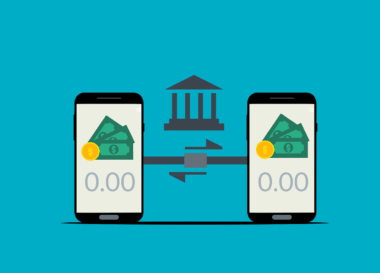
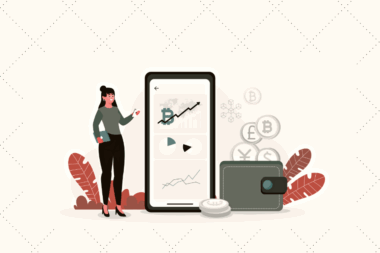
In our modern world, two types of wallets exist that are prevalent in financial transactions: digital wallets and physical wallets. First, digital wallets streamline payments through apps on smartphones like Apple Pay and Google Wallet. These wallets allow users to store card information securely, enabling seamless transactions in stores or online. Moreover, digital wallets often offer additional features such as transaction tracking and loyalty rewards, enhancing user engagement. Users can access their funds effortlessly, eliminating the need for cash or physical cards. In contrast, physical wallets carry cards and cash that can be more tangible and familiar. However, carrying multiple cards can become cumbersome, leading to potential misplacement. Reliability is another aspect; physical wallets face risks of theft or loss, while digital wallets usually have robust security protocols. Ultimately, each type of wallet has merits. Digital wallets cater to convenience and innovation, while physical wallets resonate with traditional users seeking security. This article explores detailed pros and cons of both types of wallets, helping users decide which financial solution best suits their lifestyle.
Advantages of Digital Wallets
Digital wallets boast several advantages that appeal to tech-savvy consumers. For one, these wallets simplify transactions, allowing users to make payments quickly, be it in-store or online. They often support various payment methods, including credit cards and bank transfers, making it easy for users to manage their finances. Additionally, many digital wallets offer enhanced security features such as biometrics, multi-factor authentication, and encryption. These layers of protection safeguard users’ personal and financial information. Digital wallets also provide transaction history tracking, helping users budget their spending more effectively. Users can access their accounts from their devices, offering real-time insights into their financial activity. Furthermore, many digital wallets integrate with loyalty programs, delivering rewards directly to the user’s device without needing physical cards. Another benefit is their ability to facilitate international transactions with lower fees and competitive exchange rates. As online shopping continues to thrive, the convenience and ease of use of digital wallets make them an attractive option for consumers seeking efficient financial solutions.
Conversely, physical wallets possess certain advantages of their own that cannot be overlooked. One significant benefit is the tactile nature of handling cash and cards, providing a sense of security for many users. Physical wallets allow people to see their money as they spend, which can help in maintaining budgeting discipline. Since physical wallets don’t rely on technology, they remain accessible regardless of internet connectivity or device issues. For instance, in remote areas with limited connectivity, cash transactions are often the only option available. Also, some users feel more secure using cash as a payment method, avoiding potential risks associated with data breaches that can affect digital wallets. Physical wallets may function as a tangible reminder of finances; seeing bills can create a connection that helps users monitor their expenditures consciously. Moreover, there’s a social aspect to physical wallets, as handing over cash might feel more personal than tapping a phone screen. Ultimately, physical wallets cater to those who prefer a traditional approach to financial transactions and whose comfort remains paramount.
Disadvantages of Digital Wallets
While digital wallets present numerous benefits, they come with notable disadvantages that users should consider. Primarily, the reliance on technology can be a barrier for some individuals, especially older adults or those uncomfortable with smartphones. Technical issues, such as app crashes or battery failures, can leave users unable to make transactions when needed, causing frustration. Additionally, the security of digital wallets, while improved, still faces potential risks such as hacking or phishing attacks that could compromise sensitive data. Users must remain vigilant and adopt practices to protect their information, including creating strong passwords and regularly monitoring account activity. Moreover, not all retailers accept digital wallets, particularly in rural areas or independent shops. This limitation can hinder users’ ability to make purchases freely and may require them to carry cash or cards anyway. Lastly, digital wallets often require internet access, which may not always be available. In situations where connectivity fails, users might find themselves unprepared. These drawbacks highlight the need for careful consideration before adopting a digital wallet as a primary financial tool.
In comparison, physical wallets come with disadvantages as well, which are crucial to understand. One major drawback is the risk of theft or loss; if a physical wallet is misplaced or stolen, not only can it lead to financial losses, but it also necessitates the tedious process of replacing cards and identification. Furthermore, carrying a physical wallet can be cumbersome, especially if it becomes overcrowded with cards, receipts, and coins. This often leads to bulky wallets that can feel inconvenient. Another downside is the lack of transaction tracking; users must manually monitor their spending without the benefits of automatic summaries or alerts, potentially making budgeting more challenging. Moreover, physical wallets do not provide security features like biometric locks found in digital wallets, making them more susceptible to unauthorized access. Cash transactions also leave no digital footprint, limiting users’ ability to review their spending habits. Additionally, the growth of cashless societies may render physical wallets less efficient in the long run, as digital payment methods become more widespread. These disadvantages should be weighed when deciding between wallet types.
Making the Right Choice for You
Making the right choice between digital wallets and physical wallets ultimately depends on one’s lifestyle and spending habits. For users who prioritize convenience, speed, and comprehensive financial management tools, digital wallets are likely more appealing. They cater to those who engage in frequent online shopping and prefer quick transactions through their smartphones. Furthermore, individuals eager to access their transaction history easily and receive rewards may find digital wallets to be optimal. However, those who value the tactile experience of cash or those with concerns about technology may lean toward traditional wallets. Physical wallets continue to be a reliable option, especially for individuals who might encounter technology issues or prefer the anonymity cash provides. It’s essential to assess comfort level with technology as well as payment practices when deciding. Ultimately, many users might find a hybrid approach beneficial, using both digital and physical wallets according to their situations. Balancing technology with traditional methods can create a seamless financial experience that meets various personal needs. Consider experimenting with both options to discover what works best for you.
In conclusion, the choice between digital wallets and physical wallets comes down to personal preferences and financial habits. Digital wallets excel in providing convenience, enhanced security, and integrated financial management features, making them suitable for many modern consumers. However, they are not without their challenges, including security risks and potential technology barriers. On the opposite side, physical wallets offer tangible financial management, ease of use in various environments, and reduced reliance on technology. Nonetheless, physical wallets also face drawbacks such as risks of theft and limited transactions tracking that may hinder effective budgeting. Evaluating both options requires a thorough understanding of one’s values and daily routines; it is essential to select a wallet that aligns with your lifestyle, ensuring that your financial transactions are smooth and secure. Striking a balance between modern technology and traditional methods can be highly beneficial. As the world continues to evolve and new payment methods emerge, understanding the pros and cons of each wallet type will ensure that you make informed decisions about your finances.