
How to Budget for Car Parking and Toll Fees Effectively
Budgeting for car expenses, specifically parking and toll fees, can sometimes seem daunting. However, it doesn’t need to be overwhelming. The first step is understanding the regular expenses you incur when driving. Begin by reflecting on your monthly parking and toll fees. Track these expenses for a month or two to identify a pattern. Next, categorize different parking lots, toll roads, or zones you frequent and their costs. Ensure you account for variations, such as peak hours when rates may increase. Maintaining a budget will help you control these costs effectively. Also, consider using apps or tools to monitor parking availability and toll rates, which can help you save money. Knowing when and where to pay can significantly minimize your expenses. Once you’ve analyzed your spending habits, create a suitable budget. Setting aside a dedicated amount monthly for these expenses will ease financial stress. Continuously revisiting your budget allows you to make adjustments as needed. Lastly, be proactive in seeking discounts or passes that offer lower rates for frequent parking and toll usage. This will enhance your overall budget.
Another practical tip is to explore alternative options for parking and toll payments. Many areas offer digital payment systems that streamline the process and often provide discounts for frequent users. Using these systems can also reduce the hassle associated with carrying change for tolls or buying parking tickets. For instance, numerous apps provide real-time information on parking availability. This feature enables you to find spots quickly and avoid delays, saving time and additional fuel costs. Evaluating your driving habits also plays a crucial role. If you consistently travel to specific locations, research parking strategies that could minimize costs. Carpooling may also offer significant savings, especially concerning toll costs. You can split tolls with others and reduce the number of trips made. Allocating a percentage of your budget to public transportation can further alleviate parking issues altogether. Commuting by train or bus can often be cheaper than paying for parking. Regularly reevaluating your driving routes can help you identify more cost-effective paths and avoid unnecessary toll roads. Researching local promotions or discounted parking rates for frequent users can also reveal unexpected savings.
Travel Planning and Budgeting
Planning your travels can enable better management of your parking and toll fees. If you have multiple trips planned, explore all travel options, including public transportation. However, if you need to drive, consider aligning your parking with your itinerary. Use route planning tools to pinpoint parking locations near your destinations. This not only saves you time but also reduces parking costs. Many areas offer discounted rates for longer stays, allowing you to save if you plan accordingly. Researching the locations beforehand can unlock better pricing structures. Moreover, consider the timing of your travel; peak hours may result in inflated toll and parking prices. Traveling during off-peak hours can often save you significant amounts in fees. Another consideration is whether you can schedule appointments or activities that combine multiple trips in a single outing, thus minimizing unnecessary driving. Additionally, engaging with websites that specialize in travel budgeting and car expenses can reveal more options to reduce costs. By incorporating such practices into your routine, you can more efficiently manage your budget and expenses, leading to a smoother financial journey.
It’s essential to remain disciplined to stick to your budget for car parking and toll fees. Staying within your budget requires commitment and regular tracking of expenses. Keeping a detailed log of all parking fees and tolls will help you gain clarity on your overall spending. Analyze your monthly reports to determine whether you are adhering to your budget effectively. If not, identify where cuts can be made to stay on track. Consider maintaining a savings account dedicated specifically to these costs. This approach can help avoid unexpected financial burdens and allows for a planned expenditure approach to expenses. By pulling funds directly from your savings, you can smooth over any fluctuations in expenses while ensuring you do not exceed your budget. Additionally, familiarity with peak and off-peak hours helps in planning your outings better, allowing for lower costs. Investigating opportunities for parking validations when visiting specific businesses can lead to significant savings as well. Always ensure to account for annual fees or subscriptions related to parking or toll road access. This will ensure your budgeting strategies are comprehensive and practical.
Utilize Technology for Better Tracking
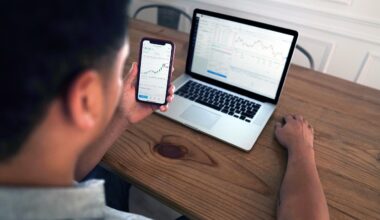
In the digital age, many applications can assist in effectively budgeting your car expenses, including parking and toll fees. These apps allow users to enter expenses and track their spending habits over time. By recording every toll and parking payment, you not only see the total amount spent but also identify trends. Some applications even provide reminders for when bills are due or when to refill pre-paid toll accounts. Integrating mobile payment systems can also simplify transactions. This way, you can easily manage and pay for parking without carrying cash. Utilizing apps that offer insights into other users’ experiences at specific parking lots can help you select cheaper options. Moreover, accumulating rewards points through payment apps can provide discounts on future travels, adding financial benefit. Ensuring you have accounts set up properly with various parking services can lead to additional savings as many companies offer bulk purchase discounts or monthly memberships. Always conduct thorough research on upcoming fees for tolls and parking to stay informed. Awareness of changes can help you adjust your budget proactively to keep expenses where they should be.
Finally, as part of your budgeting strategy, consider the impact of long-term trends and changing fees on your overall expenses. Annual increases in toll rates or parking fees can significantly influence your budget. To mitigate this, plan for incremental increases by allocating a slight rise in your monthly budget. Additionally, assess the viability of moving closer to your workplace or essential locations. This could diminish the need for extensive parking expenses. Furthermore, becoming familiar with your local area can lead to discovering alternative parking solutions. Sometimes, free parking may be available blocks away from event locations. While this may require a short walk, the savings can be substantial. Staying proactive about your car expenses does not only involve budgeting but recognizing when adjustments are necessary. Keep up with community discussions regarding parking and tolls, and leverage that knowledge to your advantage. Ultimately, budgeting for car parking and toll fees needs constant assessment. Remaining adaptive to the financial landscape can enhance your overall financial well-being.
Conclusion
In conclusion, effective budgeting for car parking and toll fees requires careful planning, discipline, and the smart use of technology. By understanding your expenses and tracking them consistently, you can develop a budget that realistically reflects your needs. Utilizing mobile apps and budget management tools ensures the monitoring of expenditures over time, helping you make informed decisions. Plan your trips wisely, considering alternatives where possible. Whether carpooling to reduce fees, using public transportation, or arranging outings more strategically, each step can contribute to a healthier budget. Moreover, staying aware of changing fees and trends allows for timely adjustments to your budget. Creating a dedicated savings account for these expenses enhances your financial flexibility and reduces stress. Engaging with community resources and participating in discussions can provide valuable insights and potential savings on local parking options. By adopting these practices, you can formulate robust strategies for your parking and toll expenses, making your budgeting process streamlined. Remember, a well-managed budget can lead to more funds available for other essential areas in your life while ensuring you are always prepared for upcoming expenses.
This final segment emphasizes the importance of continuously reevaluating your approach towards budgeting for car expenses. Checking in regularly to see how well your budget aligns with your actual expenditures is paramount. This evaluation reveals areas needing attention or adjustments to maintain a balanced budget. Regular communication with family members or housemates regarding shared transportation or parking solutions can bring new perspectives to managing these costs well. Finally, stay informed about public initiatives or changes in transportation policies that could affect your expenses. Awareness of any new developments can offer alternative routes or savings that hadn’t previously been considered. Embracing a proactive attitude toward managing your car fees ensures that they fit comfortably within your overall financial strategy. Keeping an eye on potential future changes will let you adapt accordingly. Thus, becoming a savvy budgeter for car parking and toll fees provides the groundwork for a more financially stable future. A clear understanding will help you navigate these expenses competently and effectively, paving the way for better overall financial health. Consistency in practice will ultimately lead to a more streamlined and efficient budgeting experience.