
Common Mistakes in B2B Customer Journey Mapping and How to Avoid Them
Mapping the customer journey in a B2B context can be complex, and there are several common mistakes that organizations tend to make. One frequent error is failing to engage stakeholders early in the process. This lack of involvement can lead to a disjointed view of the customer journey, causing misalignment between customer needs and business objectives. It’s essential to involve key stakeholders such as sales, marketing, and customer service teams right from the beginning. Another mistake is relying solely on demographics and not diving deeper into behavioral data. Focusing on surface-level details can neglect the more nuanced aspects of the customer experience. Understanding the motivations behind customer behaviors allows for more effective strategies. Organizations should also avoid creating overly complicated journeys that are hard to follow. Simplifying the stages and touchpoints is vital. Regularly reviewing and updating the customer journey map is crucial, too, as both the market landscape and customer expectations frequently change.
Moreover, another mistake is not integrating feedback loops for continuous improvement. Customer journey mapping should not be a one-time exercise but a living document that evolves over time. Without actively seeking feedback, companies miss opportunities to refine and enhance their strategies. Tools such as surveys, interviews, and analytics can be valuable in gathering insights that inform updates to the journey. Lastly, failing to track the effectiveness of the journey mapping efforts can lead to stagnation. It’s vital to set clear KPIs and metrics in place to gauge success. Analyzing metrics like customer satisfaction, conversion rates, and retention figures can provide insight into what’s working and what needs adjustment. By consistently monitoring these indicators, businesses can ascertain whether their customer journey maps are achieving desired outcomes. The importance of aligning the customer journey with the broader business objectives cannot be understated, and each segment must contribute to the overall experience. Ensuring every stage counts will help optimize the customer journey and ultimately drive better results.
Understanding the Importance of Clarity in Mapping
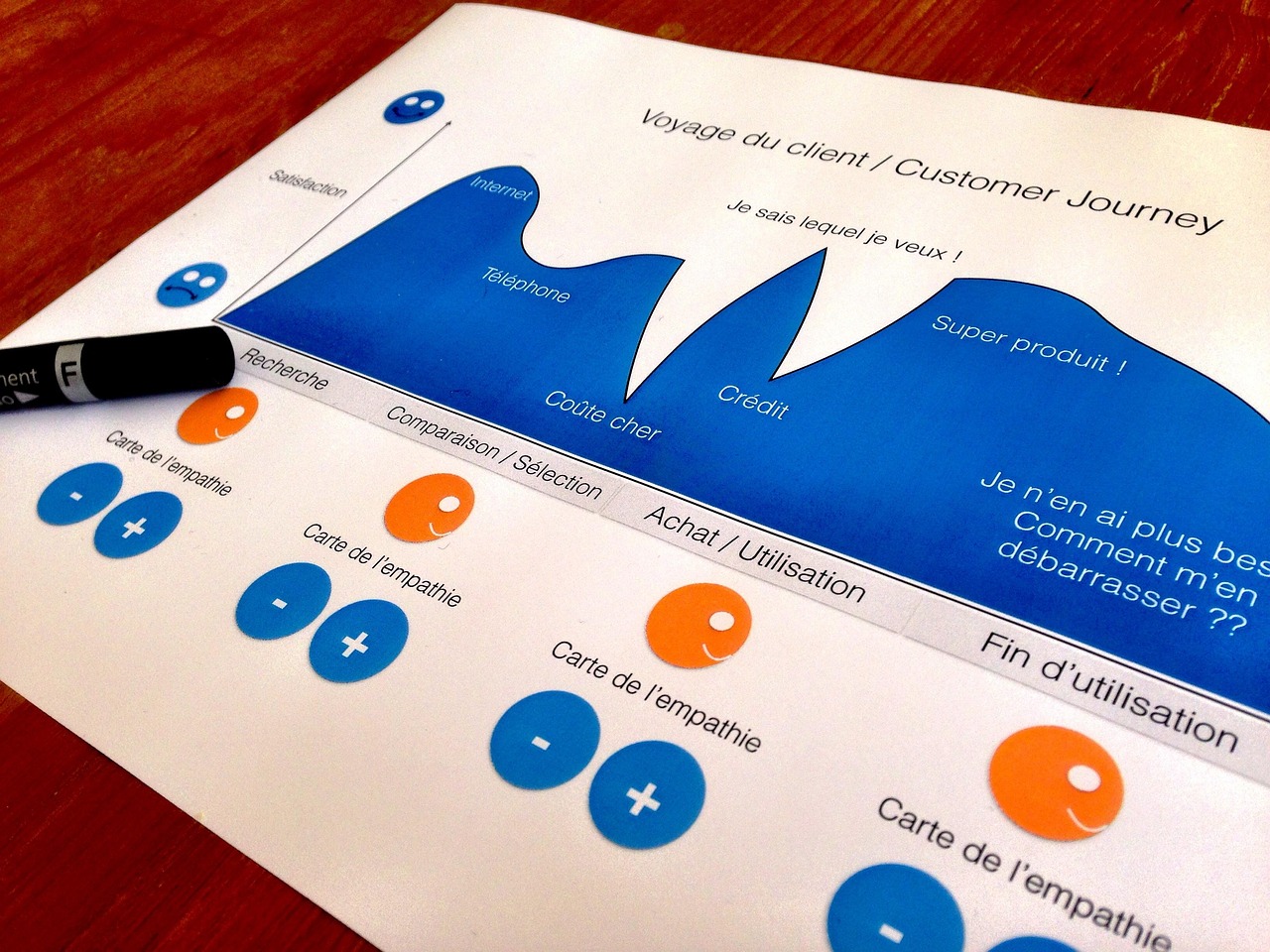
When mapping the B2B customer journey, clarity is paramount. One prevalent pitfall is using vague language or jargon that can confuse stakeholders. A clear, concise mapping document is more likely to be well received and effectively utilized across teams. Teams must adopt consistent terminology and frameworks that everyone can easily understand. Visual aids, such as flowcharts and diagrams, can enhance comprehension and retention of information. Furthermore, it’s important to recognize that different stakeholders may have varying perspectives on the customer journey. Marketing might focus on brand touchpoints, while sales may prioritize closing techniques. A holistic approach that bridges these perspectives ensures everyone is on the same page, facilitating collaboration and understanding. Moreover, it’s crucial to map the journey from the customer’s perspective, not just from the internal team’s viewpoint. This shift focuses on empathy, enabling organizations to identify pain points and opportunities along the customer journey. Taking the time to refine communication and foster a clear understanding across teams will ultimately improve engagement and enhance the overall customer experience.
Additionally, addressing the emotional aspect of the buyer’s journey is often overlooked. Business decisions are rarely just rational; they frequently involve emotional influences. Failing to recognize the emotional drivers can lead to missed opportunities to connect and resonate with potential customers. To capture this dimension, teams should consider how different touchpoints impact feelings. Including narratives, testimonials, or case studies can make the journey relatable. This approach humanizes the experience and helps to establish trust with potential customers. Moreover, data collection should include qualitative feedback. While quantitative data provides solid metrics, qualitative insights unveil the ‘why’ behind customer behaviors. Combining both gives a comprehensive understanding of the customer journey. Lastly, while technology plays a huge role in mapping, over-reliance on it can backfire. Relying heavily on automation without weaving in personal touch can disconnect teams from the actual customer experience. The balance of technology, data, and human touch will form a more complete perception of the customer journey and ensure a tailor-made experience for B2B clients.
Importance of Cross-Functional Collaboration
Cross-functional collaboration plays a crucial role in B2B customer journey mapping. A frequent mistake in many organizations is the siloing of departments, where teams operate independently without factoring in other perspectives. This separation can inhibit a holistic view of the customer journey, leading to misaligned strategies that may confuse customers. Collaborative strategies foster a shared understanding of customer expectations. Regular workshops or brainstorming sessions can be efficient, allowing various teams to contribute to the mapping process. Encouraging joint ownership of the customer journey among stakeholders fosters accountability. Collaboration also helps in identifying gaps and inconsistencies throughout the journey. Furthermore, technology can assist in promoting collaboration. Tools like shared project management platforms or collaborative software can enable better communication. Through collective input and ideas, decision-makers can create a more cohesive customer journey that resonates with clients. It’s vital to recognize that every touchpoint can influence customer perceptions and experiences. By engaging multiple perspectives, teams can innovate and find unique solutions to address customer pain points, ultimately leading to higher satisfaction rates.
Moreover, it’s essential to maintain a focus on the end user during the mapping process. Customer feedback must guide decisions throughout the journey mapping effort. This involves not merely viewing satisfaction metrics but also evaluating overall sentiment. Straightforward ways to capture this information include customer surveys, online reviews, and interviews that gather insights on experiences directly from users. Through understanding their preferences, businesses can tailor journey maps to better resonate with their audience. Another common mistake is neglecting the post-purchase phase, which is crucial in fostering long-term customer relationships. Companies should not underestimate this part of the customer journey. Identifying opportunities for upselling or cross-selling after completing a purchase can ensure continued engagement. Developing retention strategies should be part of a comprehensive journey map. Including post-purchase touchpoints enhances customer satisfaction, encouraging referrals and repeat business. Monitoring and analyzing interactions throughout the entire journey will shine a light on potential issues and reveal areas needing improvement. Ultimately, charting the entire customer experience shows commitment to customer-centered practices.
Leveraging Data for Continuous Adjustment
Utilizing data to inform the B2B customer journey map is fundamental for effectiveness. However, it’s common for companies to rely on outdated information that no longer reflects current customer behaviors and preferences. Regularly updating data ensures that the customer journey resonates with the latest trends. Furthermore, data should encompass not only demographics but also behavioral analytics, including web behaviors, purchasing patterns, and interactions. Segmenting data by customer types allows businesses to tailor journeys based on specific needs. Additionally, understanding the different stages of the buyer’s journey helps refine the experience. It’s equally important to track engagement metrics such as email open rates, click-through rates, and website interactions. This information provides essential insights into what resonates with customers. With this data, companies can identify gaps and opportunities in their mapping. There should also be a feedback loop that allows for ongoing adjustments based on real-time information and emerging trends. Companies can ensure their customer journey mapping remains relevant and effective by embracing a data-driven mindset.
Finally, many organizations neglect the importance of having a clearly defined process for journey mapping. Establishing standards for how the map is created, maintained, and evaluated ensures consistency across teams. Without a defined process, the resulting journey map may vary significantly between different functions, leading to confusion and inefficiency. All teams should align on a shared methodology to optimize results. This could include regular collaborative meetings, guidelines on data collection and analysis, and shared goals for the mapping process. Therefore, documenting the methodology is fundamental for ongoing success and should incorporate input from diverse functions. Effective journey mapping isn’t just an exercise in documentation; it should be a strategy that aligns every aspect of the customer’s journey with the company’s objectives. Setting expectations for updates and reviews further enhances the process by keeping insights aligned with changing customer behaviors. An effective customer journey map not only maps out customer interactions but also embodies the organization’s commitment to maintaining a customer-centric approach at every level.