
Social Media Integration with Retail Loyalty Apps: Enhancing Reach and Rewards
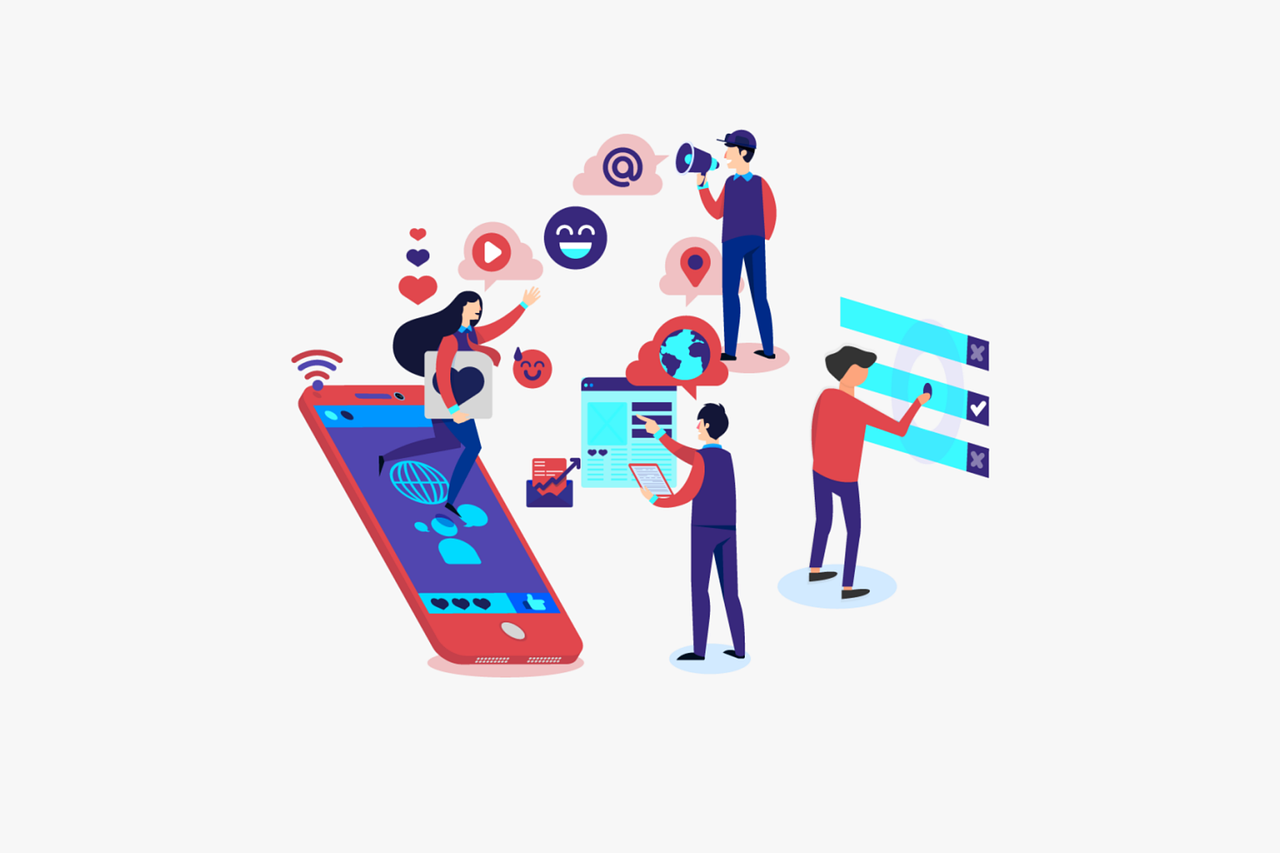
In today’s digital landscape, retail loyalty apps have become a vital component of customer engagement strategies. Integrating social media into these apps can enhance user experiences significantly. With millions of daily active users, platforms like Facebook, Instagram, and Twitter serve as perfect channels for promotion. Through social media, retailers can share exclusive offers, creating buzz and excitement about their loyalty programs. Additionally, users generally prefer apps that offer seamless social experiences. This includes options to share rewards, achievements, or even special discounts through their social channels. By allowing users to showcase their loyalty achievements, businesses can leverage peer-to-peer networks effectively. Furthermore, social media integration helps in gathering valuable data on user preferences, as well as how effectively promotions are performing. Ultimately, utilizing social media within loyalty apps not only enhances reach but also builds community and brand loyalty. Businesses can take advantage of heightened visibility and increased engagement to strengthen relationships with their customers, ultimately driving sales and revenue growth. Thus, social media integration stands out as a strategic necessity for brands aiming for a competitive edge.
Implementing social media features in retail loyalty apps requires careful planning and execution. Businesses must first identify which social platforms their target audience uses most frequently. Understanding user demographics will help tailor promotional efforts more effectively. For instance, younger audiences may lean toward platforms like TikTok or Snapchat, while older shoppers might prefer Facebook or LinkedIn. Retailers can include features for sharing promotions, reviews, and user-generated content directly through their loyalty apps. This approach not only raises awareness but also instills a sense of belonging among users, as they can invite friends and family to join in on the rewards. Another key aspect is ensuring that sharing options are intuitive and user-friendly. Complicated processes can deter users from engaging with the app. Furthermore, brands must monitor engagement metrics to evaluate the success of social media features. Analyzing what works and what doesn’t helps improve strategies over time and can significantly enhance customer retention. Adopting a flexible approach means consistently updating the app based on user feedback and changing social media trends, thus keeping the experience fresh and engaging.
The Benefits of Loyalty Programs via Social Media
Incorporating loyalty programs in social media strategies yields numerous benefits. First and foremost, it enhances customer visibility and interaction. Consumers increasingly rely on social networking for discovering new brands, discounts, and products. Retailers can thus boost their outreach through targeted ads and organic posts. Another major benefit is the direct feedback loop generated through social engagement. Customers often leave reviews or comments, answering questions and providing constructive criticism. Retailers can use this feedback to refine loyalty programs, improving user satisfaction. Furthermore, social media campaigns encourage sharing amongst potential customers, effectively growing brand awareness. The more visible a brand is, the more likely it is to convert new users into loyal customers. Facilitating referrals or rewards for sharing content serves to motivate existing users as well. Building a community around loyalty programs fosters brand loyalty and enhances consumer trust. Engaging visuals, compelling storytelling, and incentives for participation all come together to create a dynamic and interactive experience. As such, social media becomes an indispensable tool for bridging relationships between consumers and brands in retail.
Another crucial factor in effective integration is offering customizable user experiences. Retailers should allow customers to choose how they want to engage with their loyalty programs on social media. This may involve selecting which social networks to link, customizing notifications, or deciding how much information to share. Greater control leads to higher satisfaction and encourages users to engage more actively with the program. Furthermore, providing rewards for engaging with the brand on social media can drive participation substantially. For example, users could unlock bonuses or perks every time they share a post about their favorite products. Additionally, implementing gamification elements further elevates consumer interest. Elements like leaderboards or challenges encourage friendly competition among users, motivating them to stay involved. To ensure continuous growth, retailers should monitor user engagement on social media and adjust rewards accordingly. Digital marketing trends evolve rapidly, and businesses need to remain adaptable to ensure effectiveness over the long term. Continuous improvement based on analytics and changing consumer preferences will set the foundation for creating a successful loyalty program.
Challenges in Social Media Integration
Despite the many advantages, integrating social media with retail loyalty apps is not without its challenges. One significant concern involves data privacy and security. Users are increasingly cautious about how their information is utilized and shared, particularly on social media platforms. Retailers must ensure they comply with data protection laws and maintain transparency regarding their data usage policies. Moreover, technical challenges can arise during the integration process. Ensuring that social media features work seamlessly within an app can require substantial development resources. Retailers might face difficulties syncing user data across platforms or ensuring that sharing functionalities are smooth and effective. Furthermore, it is essential to maintain brand consistency across all communication channels. Inconsistent messaging can confuse users, detracting from the perceived value of loyalty programs. Evaluating engagement metrics presents another challenge, as businesses must differentiate between organic interactions and those driven by paid promotions. Finally, user adoption can be slow if proper marketing strategies are not in place. Retailers must continuously promote effective integrations, emphasize their value, and educate users about their benefits to encourage participation.
To overcome these challenges, retailers can adopt a strategic approach toward implementing social media integrations into their loyalty apps. A phased rollout can help identify any technical glitches early on, addressing them before a full launch. It is also beneficial to conduct user testing, collecting feedback on the app’s usability and the integrations offered. Encouraging a feedback mechanism presents additional opportunities for learning and growth. Retailers should ensure transparent communication about how user data will be handled and that robust security features protect sensitive information. Additionally, leveraging influencer partnerships may prove advantageous for obtaining genuine engagement and building trust in the brand. By promoting authenticity and providing value through social media, brands can broaden the reach of their loyalty programs substantially. Training employees on the importance of social media engagement and ensuring that staff understands how to interact with users online can also create a more positive experience. Ultimately, integrating social media successfully requires cooperation between marketing, technology, and customer support.
Future Trends in Retail Loyalty Apps
Looking ahead, the evolution of retail loyalty apps will undoubtedly be influenced by advancements in technology and changing consumer behavior. Artificial intelligence and machine learning could play essential roles in personalizing the customer experience. AI-driven analytics can help retailers understand consumer preferences better, allowing tailored offers and rewards that resonate with individual users. Additionally, augmented reality (AR) experiences may become popular within loyalty programs, enhancing online interactions and engaging users in innovative ways. Imagine accessing virtual fitting rooms while reviewing loyalty rewards or sharing AR experiences on social media. Furthermore, the rise of blockchain technology may transform how loyalty points and rewards are handled, providing greater transparency and security for consumers. As customers become more environmentally conscious, sustainability will also affect loyalty programs, prompting brands to offer rewards for eco-friendly purchases. Retailers who can meet these evolving demands will be better positioned to maintain their competitive edge in the market. Collaboration with tech companies could unlock new possibilities for engaging consumers and enhancing the overall value of loyalty programs. Thus, successful retailers will need to keep an eye on emerging trends.
In conclusion, integrating social media with retail loyalty apps is crucial for enhancing customer engagement, broadening reach, and increasing brand loyalty. Retailers who strategically implement these integrations can offer rewarding experiences. They can utilize user-generated content, promote social sharing features, and maintain consistent messaging across platforms. Furthermore, overcoming challenges related to privacy, security, and technical issues will be vital to achieving long-term success. By focusing on using data for personalization and tapping into emerging technologies, brands can foster deeper connections with consumers. Social media integration enhances the loyalty framework through its various features, creating communities that engage users beyond mere transactions. Future loyalty programs will likely incorporate sustainability as a key factor, appealing to eco-conscious consumers. Retailers need to respond swiftly to changing customer expectations, emerging trends, and technological advancements. By remaining adaptable, businesses can ensure the longevity and relevance of their loyalty programs. In turn, happy consumers can lead to sustainable profitability and growth, solidifying the brand’s place within a competitive retail landscape. Ultimately, effective integration represents a dynamic opportunity for retailers in leveraging social media within loyalty strategies.