
Measuring the Impact of Chatbots on CRM Performance Metrics
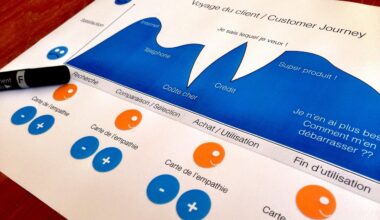
In today’s businesses, the deployment of chatbots is revolutionizing how companies engage with customers in the realm of Customer Relationship Management (CRM). Chatbots automate communication, streamline tasks, and provide real-time assistance, which enhances customer satisfaction. These digital assistants are pivotal in tracking various performance metrics such as response times, customer retention rates, and overall satisfaction levels. Businesses utilizing chatbots can witness significant improvements in operational efficiency, enabling human resources to focus on complex inquiries while routine queries are handled by bots. Metrics provide insights into the customer’s journey, helping identify common issues and preferences. Furthermore, when chatbots are closely monitored, businesses can harness their data potential for ongoing enhancements. Metrics such as chat duration and resolution types are essential in refining chatbot scripts for better customer experiences. Consequently, companies should routinely assess chatbot interactions to ensure they meet the evolving needs of their customers. Companies failing to measure these metrics can miss valuable data, leading to suboptimal chatbot performance and, ultimately, diminished customer relations.
Chatbots play a critical role in enhancing customer engagement within CRM platforms. The integration of these digital tools can lead to increased lead generation and higher conversion rates. By engaging customers at various touchpoints, chatbots assist in nurturing leads through personalized conversations tailored to individual preferences. This engagement is crucial as prospective customers today expect seamless, prompt, and informative responses. Monitoring metrics such as lead conversion rates can demonstrate the effectiveness of chatbots in driving sales. Businesses can analyze how chatbot interactions influence conversion probabilities by exploring customer behaviors through the gathered data. Moreover, evaluating time-to-resolution metrics showcases the efficiency of chatbots compared to traditional methods. This deadline minimizes customer frustration, ensuring that inquiries are handled promptly. To fully leverage the chatbots’ potential, businesses must invest in training their systems using machine learning techniques, which allows for improved conversational capabilities and better responses over time. Finally, integrating customer feedback into chatbot performance assessments can guide businesses in refining their approach and strategy, enhancing customer satisfaction while targeting CRM goals effectively.
Boosting Customer Satisfaction through Chatbots
Customer satisfaction is fundamentally linked to the efficiency and effectiveness of communication systems within a CRM strategy. Chatbots provide a platform that offers 24/7 support, enabling customers to seek assistance whenever they need it. This immediacy contributes significantly to customer satisfaction levels, as users appreciate timely responses. Businesses can measure this satisfaction through Net Promoter Scores (NPS), which evaluate customers’ willingness to recommend services after interacting with chatbots. Analyzing feedback can further illuminate how well chatbots meet customer expectations. Furthermore, chatbots can efficiently collect feedback after interactions, enabling companies to fine-tune their customer communication methods. Incorporating this feedback into chatbot algorithms enhances their adaptability and responsiveness, leading to improved performance metrics over time. For instance, the chatbot could learn which responses yield higher satisfaction scores and modify its responses accordingly. Overall, customer satisfaction metrics driven by chatbot functionality can empower businesses to cultivate deeper customer loyalty and long-lasting relationships. Understanding these dynamics is instrumental in orchestrating a more effective CRM strategy that embraces automation while prioritizing the client’s experience.
The success of chatbots within CRM systems is also quantified through a variety of key performance indicators (KPIs). These metrics enable companies to gauge both operational and customer-focused outcomes effectively. One essential KPI is the average handling time (AHT), which assesses how efficiently a chatbot resolves inquiries. By comparing AHT with traditional customer service methods, businesses can ascertain enhancements in operational efficiency. Additionally, the volume of inquiries handled is another significant metric; chatbots can manage multiple requests at once, which conventional methods cannot achieve efficiently. This ability not only reduces costs associated with human resources but also leads to improved customer engagement. Moreover, monitoring escalations to human agents can show how effectively chatbots address inquiries. High escalation rates may indicate issues in training or script execution, guiding necessary adjustments. Companies can further utilize conversion-rate metrics to assess the overall effectiveness of chatbots in guiding customers through the sales funnel. By thoroughly analyzing these KPIs, businesses can make informed decisions that drive substantial CRM growth and improvements, ensuring that customer needs are consistently met.
Implementing Learning for Continuous Improvement
For chatbots to maintain relevance, they must continually evolve based on customer interactions and feedback. Machine learning, a powerful technology, enables chatbots to analyze vast volumes of data, allowing them to identify patterns and optimize responses. These adaptations lead to improved performance metrics across the board. Gathering data from customer interactions can illuminate what areas require bolstering in terms of conversational style and content. Consequently, chatbots can be enhanced to provide more accurate, relevant, and gratifying experiences for users. Metrics such as user engagement rates and repeat interaction frequency are critical indicators for assessing whether chatbots are successfully adapting and maintaining customer interest. Moreover, these improvements pivot upon the importance of utilizing customer insights for chatbot upgrades. Reinforcing machine learning algorithms with real-time data equips chatbots with the intelligence necessary to be more sensitive to shifts in customer preferences. Consequently, businesses can anticipate future needs and pivot their strategies to maintain high customer satisfaction and retention rates. Leveraging continuous learning ensures a powerful competitive advantage in the fast-paced landscape of customer service.
The cost-effectiveness of chatbots in the CRM landscape is another metric worth measuring. Deploying chatbots can dramatically reduce costs associated with customer support. Businesses can attain substantial savings due to decreased reliance on human staff, enabling reallocations to other critical areas. Metrics such as operational costs per interaction provide insight into how effectively chatbots are driving down expenses. Companies could compare costs before and after implementing chatbots to quantify benefits accurately. Additionally, the scalability of chatbots allows businesses to meet fluctuating demand without incurring substantial hiring costs. During peak times, chatbots maintain high service levels while managing workloads that traditionally require increasing staffing levels. This financial benefit ultimately contributes to improved ROI, making chatbots a smart investment for modern businesses. However, organizations must remain vigilant in monitoring performance metrics to ensure that cost reductions do not compromise service quality. A balanced approach can lead to long-term success, providing customers with seamless interactions while ensuring the business operates efficiently within its budget. Effective tracking of cost metrics will enable businesses to understand their financial performance associated with chatbot integration.
The Future of Chatbots in CRM
Looking ahead, the role of chatbots in CRM is set to expand, integrating advanced technologies such as artificial intelligence (AI) and natural language processing (NLP). These advancements promise to enhance the performance metrics associated with customer interactions significantly. Companies must anticipate how these technologies will reshape customer experiences and interactions. By adopting AI-driven chatbots, businesses can provide a more personalized customer journey, leading to higher satisfaction and loyalty rates. Analytics derived from chatbots will become invaluable, directing organizations to understand their clients’ evolving needs better. Having an adaptive chatbot that can learn and grow over time will be a crucial component of future CRM strategies. Anticipating customer needs through predictive analytics will improve service responsiveness and effectiveness. Organizations can prepare for this future by investing in data analytics tools and training their teams to leverage chatbot insights effectively. Keeping pace with technological advancements and consumer preferences will enable businesses to remain competitive in their respective markets. As a whole, the evolution of chatbot technology is poised to redefine how businesses leverage CRM for improved customer relationships.
In conclusion, the impact of chatbots on CRM performance metrics is profound and multifaceted. As companies continue to adopt these innovations, they must measure various metrics that assess their effectiveness accurately. All aspects, from customer satisfaction to operational efficiency, can be enhanced through thoughtful exploration of chatbot performance. This exploration is not merely about adopting technology; it is about embedding these solutions into the business culture, prioritizing ongoing optimization and responsive interactions that resonate with customers. Companies that embrace chatbots aligned with their CRM systems can expect to see measurable improvements across the board, driving success in their endeavors. A commitment to evaluating performance metrics will enable businesses to capitalize on the opportunities chatbots present in this rapidly transforming landscape. Businesses must engage in regular assessments to fine-tune their chatbots continually, ensuring sustained effectiveness in serving customers’ needs. Looking forward, those organizations that invest strategically in chatbots and monitor relevant CRM metrics will remain at the forefront of customer service excellence. By doing so, they will build stronger relationships and foster customer loyalty, paving the way for long-lasting success.