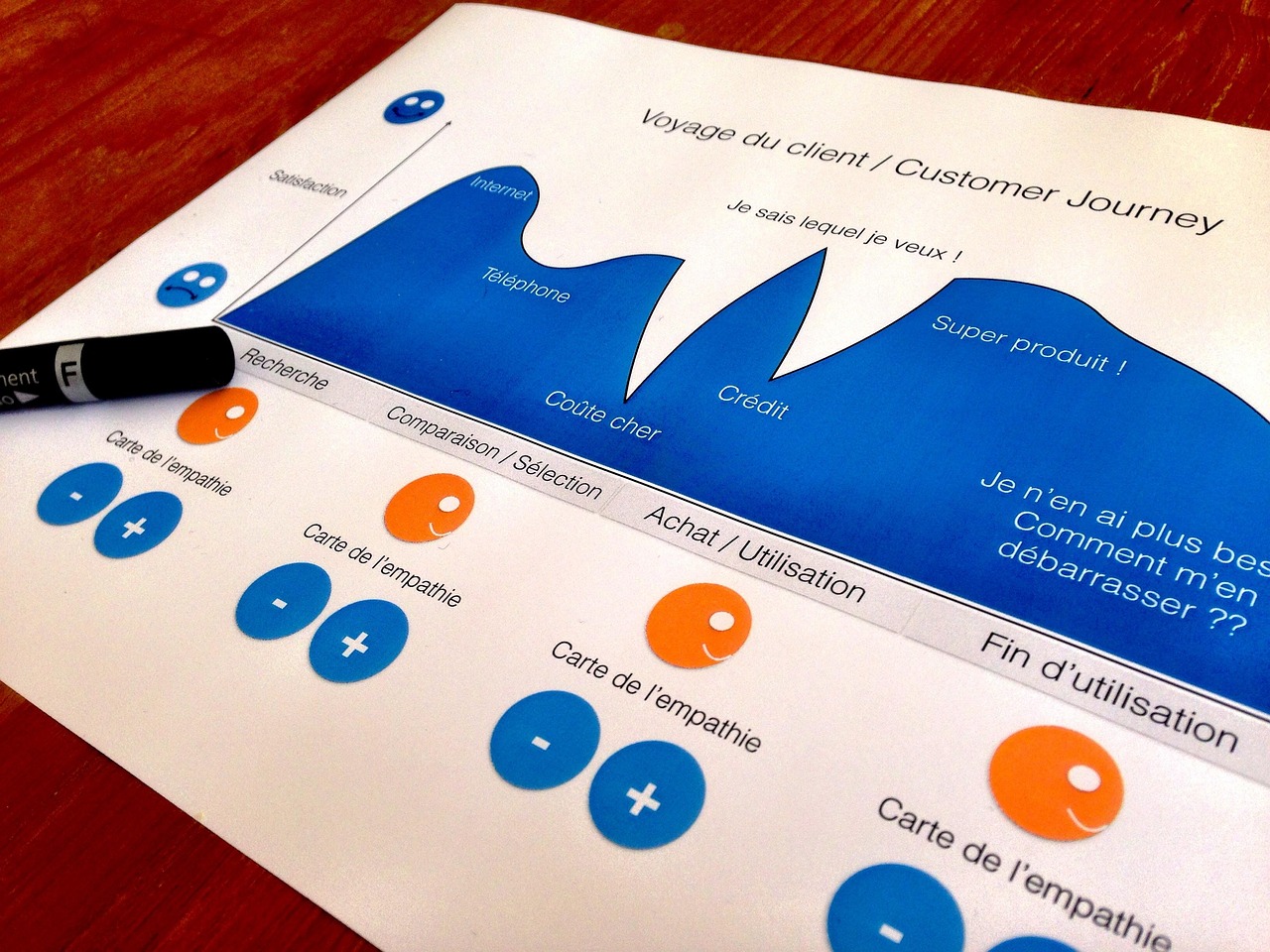

Customer Journey Mapping in B2C Event Marketing
Understanding the customer journey is crucial for successful B2C event marketing. It involves mapping out the steps potential attendees take from discovering an event to participating in it. By identifying these stages, marketers can tailor their strategies to enhance customer engagement. The typical journey consists of awareness, consideration, decision, and post-event stages. During the awareness stage, potential attendees learn about the event through various channels. Social media, email marketing, and influencer promotions are essential for creating buzz around the event. The consideration phase involves attendees evaluating whether the event meets their needs. Providing detailed information about speakers, agenda, and benefits can help in this analysis. Decisions are made based on ticket pricing, availability, and added value such as exclusive access to content. Post-event follow-ups are vital for feedback collection and nurturing long-term relationships. Engaging with attendees post-event can lead to loyalty and recommendations for future events. In a fierce competitive environment, effective mapping of the customer journey can distinguish a brand, ensuring sustained interest and attendance for future events.
Stages of the Customer Journey
The customer journey in B2C event marketing can significantly be divided into distinct stages. These stages include awareness, interest, decision-making, attendance, and post-event engagement. Each stage represents a unique opportunity to engage potential customers and convert them into loyal attendees. The awareness stage is where potential customers first encounter the event details through various channels, such as social media and targeted ads. Here, event marketers should focus on creating compelling content to generate interest, including video teasers and intriguing graphics. The interest stage occurs when potential attendees seek additional details about the event, making thorough information essential. This is the time to showcase the event’s value proposition clearly. During the decision-making phase, marketing strategies like limited-time offers or early bird tickets can incentivize ticket purchases. Once customers attend the event, their experiences must be engaging and memorable. Creating a sense of community fosters relationships that last beyond the event. Finally, after the event concludes, it’s crucial to engage attendees through personalized emails, surveys, and exclusive content to keep the conversation going.
Building a detailed customer journey map allows marketers to visualize each stage. This strategy can highlight crucial touchpoints where customer experience can be enhanced. For example, employing tools such as surveys and web analytics can pinpoint where attendees drop off in their journey or show high engagement. The key to a successful customer journey map lies in understanding customer personas. By developing detailed personas, marketers can tailor their messaging and focus on the most effective channels for each demographic group. Knowing different customer segments helps in crafting personalized marketing communications that resonate with the audience. Event organizers can employ automation tools to deliver targeted messages at different journey stages effectively. For instance, reminders can be sent before an event, while appreciation notes can follow afterward, reinforcing the relationship. Additionally, incorporating feedback mechanisms into the journey can improve future events by acting on insights gathered post-event. Overall, a well-crafted customer journey map empowers marketers in B2C event marketing to optimize each stage, ensuring a fulfilling and engaging experience for attendees throughout their lifecycle.
Importance of Personalization
Personalization plays a vital role in enhancing the customer journey in B2C event marketing. Attendees today expect tailored experiences, making it essential for brands to leverage data effectively. By harnessing customer data, marketers can create personalized campaigns that speak directly to the needs and interests of potential attendees. Customizing content and communication helps in addressing the unique preferences of individuals. For instance, leveraging past engagement data enables marketers to send targeted promotions for similar events that would likely attract attention. Moreover, using attendee insights can inform the creation of content that resonates with different segments of the audience. Engaging attendees using their names and relevant recommendations can significantly enhance the user experience. Additionally, personalization can extend beyond pre-event marketing; at the event itself, creating personalized experiences boosts attendee satisfaction and leads to positive word-of-mouth. Interactive elements such as mobile apps or personalized agendas cater to individual preferences. Furthermore, post-event personalized communication reinforces the connection with attendees, encouraging future participation and loyalty. Ultimately, prioritizing personalization throughout the customer journey significantly enhances retention, leads to increased attendance, and encourages ongoing interaction.
Moreover, integrating technology into the customer journey enhances the overall event experience. Innovations like mobile applications and social media integrations facilitate real-time interaction, thus streamlining engagement at every touchpoint. Mobile apps can offer event schedules, provide networking opportunities, and allow attendees to receive notifications. This on-the-go accessibility greatly improves attendee interaction and satisfaction. Additionally, social media can be used to create event-specific hashtags, encouraging users to share their experiences. Engaging potential customers through social media prior to and during events can increase attendance numbers. Furthermore, using analytics to monitor social media interactions aids in understanding customer sentiment and refining marketing strategies. The role of technology in enhancing the customer journey cannot be underestimated; it serves as a bridge, connecting organizers with attendees’ wants and needs. Aside from interactive technology, virtual reality experiences can also provide a unique perspective of an event. These innovative strategies create memorable and immersive experiences, increasing the likelihood of repeat attendance. Thus, employing a tech-oriented approach during various stages of the journey can create a major competitive advantage in the B2C event marketing landscape.
Collecting Feedback and Improving Strategies
Feedback collection is an essential component of refining the customer journey in B2C event marketing. By obtaining insights directly from attendees, marketers can identify strengths and weaknesses in their strategies. Methods such as post-event surveys, follow-up emails, and social media interactions facilitate this feedback collection. Carefully crafted survey questions can reveal critical information about the attendees’ experiences related to content, logistics, and overall satisfaction. Marketers should consider implementing rapid feedback mechanisms during the event through live polls or feedback kiosks to gather real-time reactions. Such approaches can make immediate changes and improve attendee satisfaction while the event is ongoing. Additionally, analyzing data on ticket sales and engagement metrics can shed light on which marketing strategies worked best. This data-driven approach allows organizers to refine their strategies for future events, maximizing return on investment. Feedback not only assists in improving future events but also shows attendees that their opinions are valued, fostering loyalty. Ultimately, a commitment to continuous improvement ensures that B2C event marketing evolves with changing customer needs and preferences, enhancing attendee experiences over time.
In conclusion, mapping the customer journey in B2C event marketing is paramount for success. By understanding and optimizing each journey stage, event marketers can significantly boost engagement and branding effectiveness. From awareness to post-event engagement, each stage offers opportunities to connect with attendees and foster relationships. Furthermore, personalizing experiences and leveraging technology enhances attendee satisfaction and ensures memorable events. Event marketers must actively collect and analyze feedback to adapt their strategies continually. This proactive approach aids in identifying areas for growth and highlights successful practices that can be replicated. Investing effort into enhancing the customer journey ultimately leads to higher attendance, increased loyalty, and stronger relationships. Implementing a comprehensive strategy focused on customer experience is more than just a trend; it becomes indispensable in today’s competitive landscape. As events evolve, so too will the strategies to customize experiences for attendees. In a world where customer expectations rise continually, those who prioritize the customer journey will stand out, driving future success and establishing lasting loyalty in the B2C event sector.
The final takeaway emphasizes the necessity of a strategic approach in B2C event marketing. Understanding each phase of the customer journey equips marketers to make informed decisions that resonate with attendees. The combination of technology, personalization, and active feedback loops positions brands to effectively cater to audience preferences. By maximizing the impact of every interaction, event marketers solidify the foundation for enhanced customer loyalty. As the event industry grows increasingly intricate, adapting strategies to fit customer expectations will differentiate successful brands from others. Those committed to elevating the customer journey will reap the rewards in terms of attendance and satisfaction. An ongoing commitment to evaluating and refining these processes ensures that events not only meet but exceed the expectations of attendees. This results in innovative and unforgettable experiences that attendees will share and celebrate. In crafting the future of B2C event marketing, leveraging the customer journey will no longer be optional but required. Long-term success depends on the ability to consistently create value for attendees through effective engagement, personalization, and strategic marketing efforts.