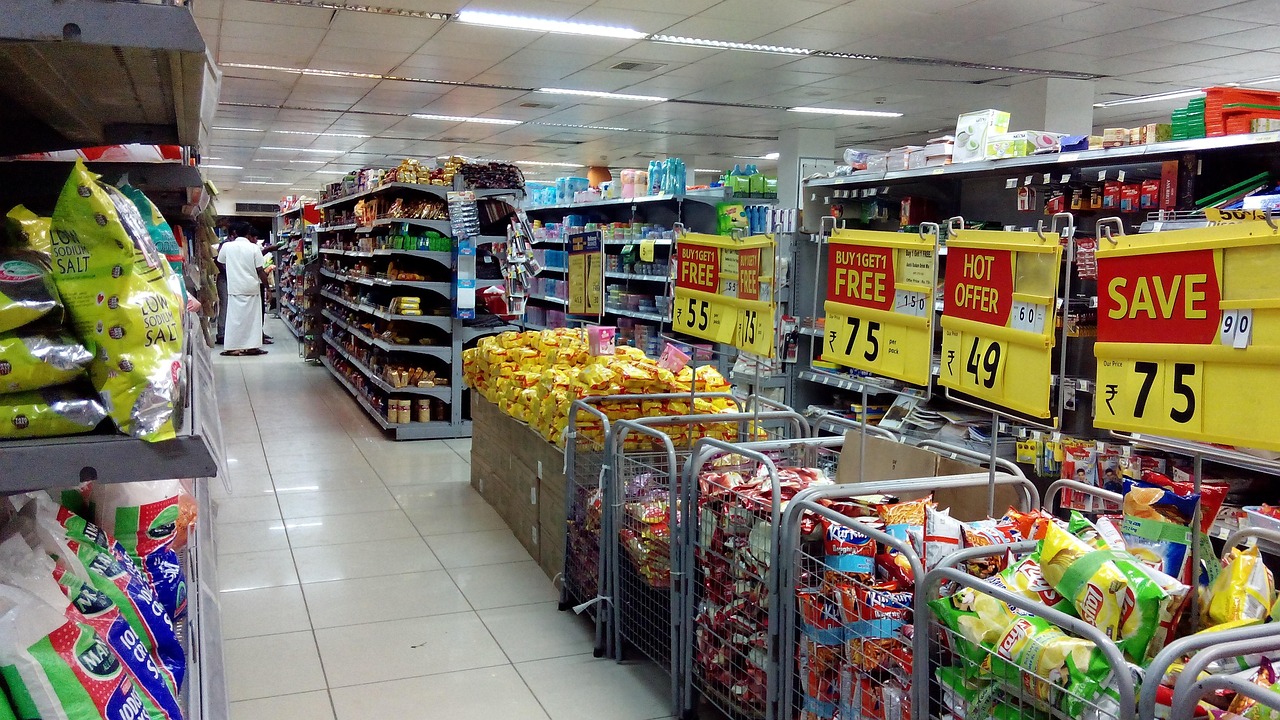

Timing Your Grocery Shopping for Best Discounts
Effective grocery shopping requires planning and timing. Understanding when to shop can yield significant savings and double your discounts. Supermarkets often have specific days when they mark down prices, particularly for perishable items or seasonal goods. For instance, many stores reduce prices on meats and fresh produce at the end of the week to clear inventory. Be mindful of these trends, and plan your shopping trips accordingly. Seek to establish a routine to ensure you’ll be shopping on those discount days. Additionally, keep track of sales cycles, which generally occur every two weeks. Join your local grocery store’s loyalty program to gain access to exclusive coupons and discounts only for members. Utilize site apps to stay updated on promoted deals, and consider creating a shopping list based on weekly flyers. Such preparation not only guides what you buy but also helps avoid impulse purchases that hurt your budget. Always compare unit prices to ensure you’re getting the best deals in each store. In conclusion, effectively timing your grocery shopping equates to smarter spending and significant savings with strategic planning in place.
Another key strategy in saving on groceries involves staying informed about seasonal produce. Produce items often hit their peak season, resulting in lower prices. During these times, you can expect higher quality and better value for your purchase. Take the time to research when different fruits and vegetables are in season in your area, as this varies by location. For example, tomatoes are generally more affordable in the summer, while squash might be cheaper in fall. Buy these items in bulk when prices drop and consider preserving them through canning or freezing. This way, you can enjoy seasonal flavors year-round at a fraction of the cost. Additionally, familiarize yourself with your grocery store layout, where they often place on sale items at eye level, with less discounted products on higher or lower shelves. Recognizing this habit can help you find discounts more easily. Make a habit of checking different stores for price variations as certain chains may offer more favorable discounts than others. Employing these strategies alongside correct timing can enhance the effectiveness of your grocery trips and significantly reduce overheads.
Utilizing Coupons for Added Savings
Incorporating coupons into your grocery shopping can amplify your savings significantly. Many grocery stores offer various ways to utilize coupons, whether through physical newspapers or digital platforms. Start by subscribing to local newspaper deliveries or downloading coupon apps, which consolidate offers from multiple retailers. Planning your meals around items with available discounts can optimize your use of these coupons. Be strategic and match your coupons with sales for double discounts. A common way to maximize savings is stacking manufacturer and store coupons. Always read the terms of the discounts to ensure they apply correctly. Pay attention to both expiration dates and product limitations. Another effective tactic is gathering digital coupons; many stores now offer apps allowing clipable deals directly to your loyalty card to streamline the process. Stay organized by categorizing your coupons before heading to the store, making the checkout process quick and flawless. Moreover, remember to check websites for printable coupons. Every little bit helps when it comes to your grocery budget, and being resourceful with coupons can yield exceptional savings, transforming your grocery shopping principles.
Shopping at off-peak hours can also lead you to more savings. Most grocery stores experience rush hours, particularly during weekends or after work. Shopping early in the morning on weekdays can provide you with fresher selections, and less crowded aisles might lead to fewer distractions. This peaceful environment allows you to focus on making smarter choices. Stores may offer random flash sales during quieter hours, providing unexpected savings opportunities. More importantly, employee attention is often more readily available, offering assistance in locating items for your list. When stocking up on non-perishable items, consider purchasing in bulk during these hours to take advantage of any discounts available. Lookout for clearance racks as well; some stores have dedicated sections for deeply discounted items that might be ending their shelf life soon. Additionally, utilizing apps that track price drops or special discounts in real-time during your shopping trip can also make a substantial difference. With less competition for sales and discounts, shopping at the right time puts you in a superior position for securing remarkable deals on your weekly grocery haul.
Meal Planning for Strategic Shopping
Meal planning is a fantastic method of maximizing savings while grocery shopping. By preparing a weekly meal plan based on the current sales and available coupons, you can streamline what you need to buy and avoid needless items that might lead to overspending. Start by organizing recipes for the week and noting ingredients that overlap across meals, promoting efficient usage. A planned grocery list can save both time and money, reducing stress in the store. Understanding your family’s nutritional needs also guides your planning and eliminates food wastage. Stick to the list while shopping, and avoid impulse buys that lead to increased spending. Consider combining meal prep with batch cooking, allowing you to prepare meals in advance. This can save time and ensure you always have nutritious options ready, cutting down on takeout costs. Consolidating meals can also prompt you to utilize items from previous purchases, ensuring they don’t spoil. More importantly, revisit your list frequently as you research discounts and tailor meals around what’s available. In essence, meal planning is a strategic ally in your grocery shopping game, assisting in phenomenal savings each week.
Another aspect of effective grocery shopping involves taking advantage of loyalty programs and apps. Many supermarkets now incorporate loyalty features that reward customers for spending. These rewards may come in the form of points that can be redeemed for discounts or free products later. Always ensure that you sign up for any reward programs your grocery store offers to maximize savings. Stay updated through newsletters or social media outlets, where stores might share exclusive promotions. Using these platforms effectively can lead to boosted discounts, which can contribute heavily to your overall savings. Don’t forget to download any store-specific apps; often, they provide unique coupons or deals that aren’t available elsewhere. Utilizing these incentives significantly enhances your shopping experience, making it more budget-friendly. Regularly monitoring transaction summaries allows tracking of expenses and rewarding receipt management, which is critical to your budgeting efforts. Moreover, many of these apps allow for easy planning of meals, further enhancing your shopping experience. Collectively, accessing and utilizing loyalty programs can yield substantial savings, which can positively impact your grocery budget in the long run.
Understanding Price Matching
Lastly, one of the most effective strategies for maximizing your grocery savings is price matching. Many grocery stores now offer price matching guarantees, which allow you to buy with confidence that you’re getting the best deal available. If you find a cheaper price advertised by local competitors, your store can match that price, ensuring you don’t have to go to multiple locations. Ensure you understand the terms and conditions associated with price matching at your store. Some stores may require you to show proof or limit the products eligible for price matching. Develop a habit of comparing store flyers before shopping, making certain you take note of which items have the biggest price differences. Online research can also be beneficial; many stores provide price comparison tools. Consider creating a chart focusing on staple goods that frequently vary in price to help keep track efficiently. However, always ensure your grocery shopping habit remains convenient and doesn’t lead to excessive time investment. Chaining these practices together will not only result in enormous savings but also establish you as a smart shopper. In essence, invest time in maximizing your grocery strategies for substantial benefits overtime.
By employing various strategies such as the timing of your shopping trips, understanding seasonal discounts, leveraging coupons and loyalty programs, price matching, and meal planning, you can drastically reduce your grocery expenditures. These practices, when combined, will not just enhance your shopping experience but also promote a more mindful consumption habit, ensuring your budget is equally respected. Commence implementing changes gradually within your grocery routine, and observe whether this newfound approach positively impacts your overall savings. Equipping yourself with knowledge regarding local grocery discounts is indispensable as it ensures smarter spending. Over time, you’ll notice how these practices not only save you money but eventually contribute positively to your financial health. Building on a foundation of fiscal responsibility is crucial for long-term wealth. As you become increasingly adept at managing your grocery needs, the potential for saving multiplies. With a focus on strategic grocery shopping, you enhance the enjoyment of your culinary experiences while being conscious about expenditures. Embrace these tips wholeheartedly for an improved grocery shopping experience. The path to smarter shopping is now clearer, and it is up to you to implement these lessons!