
Integrating Social Media to Enhance Event Marketing ROI
Using social media effectively can significantly boost Event Marketing ROI. By promoting events across various platforms, organizations can reach larger audiences, engage potential attendees, and create buzz before, during, and after the event. Start by identifying the right social media channels for your target audience. Platforms like Facebook, Twitter, Instagram, and LinkedIn each serve different demographics and engagement styles. Develop tailored content for each platform, such as vibrant images on Instagram, informative posts on LinkedIn, and interactive polls on Twitter. Building a dedicated event hashtag can also enhance visibility, as it encourages user-generated content and conversation. Further, consider collaborating with influencers relevant to your industry to maximize outreach. This partnership can enhance credibility while attracting new segments of attendees who trust the influencer’s recommendations. Live-streaming segments of the event can also cater to virtual attendees who are unable to attend in person, thus extending the reach and impact of your engagement efforts. Finally, don’t forget to gather feedback from participants post-event. This will help refine future social media strategies for better outcomes.
Effective measurement of social media activity in relation to event marketing efforts is crucial for optimizing ROI. Utilize tracking tools and analytics to assess the performance of your social media campaigns. Start by setting clear goals and KPIs focused on engagement metrics, such as likes, shares, comments, and click-through rates. Tools like Google Analytics, Hootsuite, or Socialbakers can provide insights into audience interactions and content performance. For instance, identify which posts generated the most interest or which platforms drove the highest traffic to your event registration page. This data will help you understand what resonates with your audience and refine your strategies accordingly. In addition to measuring reach, also focus on conversions by monitoring how many engaged users actually registered and attended the event. This aspect is where you can draw direct lines from social media efforts to ROI. If you find certain platforms underperforming, consider reallocating resources toward more effective channels. Ultimately, a data-driven approach allows teams to justify the budget spent on social media marketing in relation to the tangible returns generated from successful event attendance.
Engaging Your Audience Pre-Event
Engagement strategies initiated on social media before an event are critical in boosting overall attendance and excitement. Begin several weeks in advance by creating a content calendar tailored around event milestones, such as speaker announcements, agenda reveals, and ticket sales promotions. Consider hosting a countdown series to keep your audience engaged and curious about the upcoming event. Create compelling content, including behind-the-scenes sneak peeks, interviews with speakers, or testimonials from past attendees, to generate buzz. Visual content, such as short video clips or eye-catching graphics, should be priority to grab attention in crowded feeds. Encourage interaction by asking questions related to the event and responding to comments or direct messages promptly to foster community. Running targeted ad campaigns that drive specific audiences to the registration page can also reinforce interest and potential attendance. Furthermore, consider using polls or contests that may offer free tickets to generate excitement. These tactics help create a sense of community around the event. Also, ensure your registration process is seamless to avoid losing interested parties at the final step.
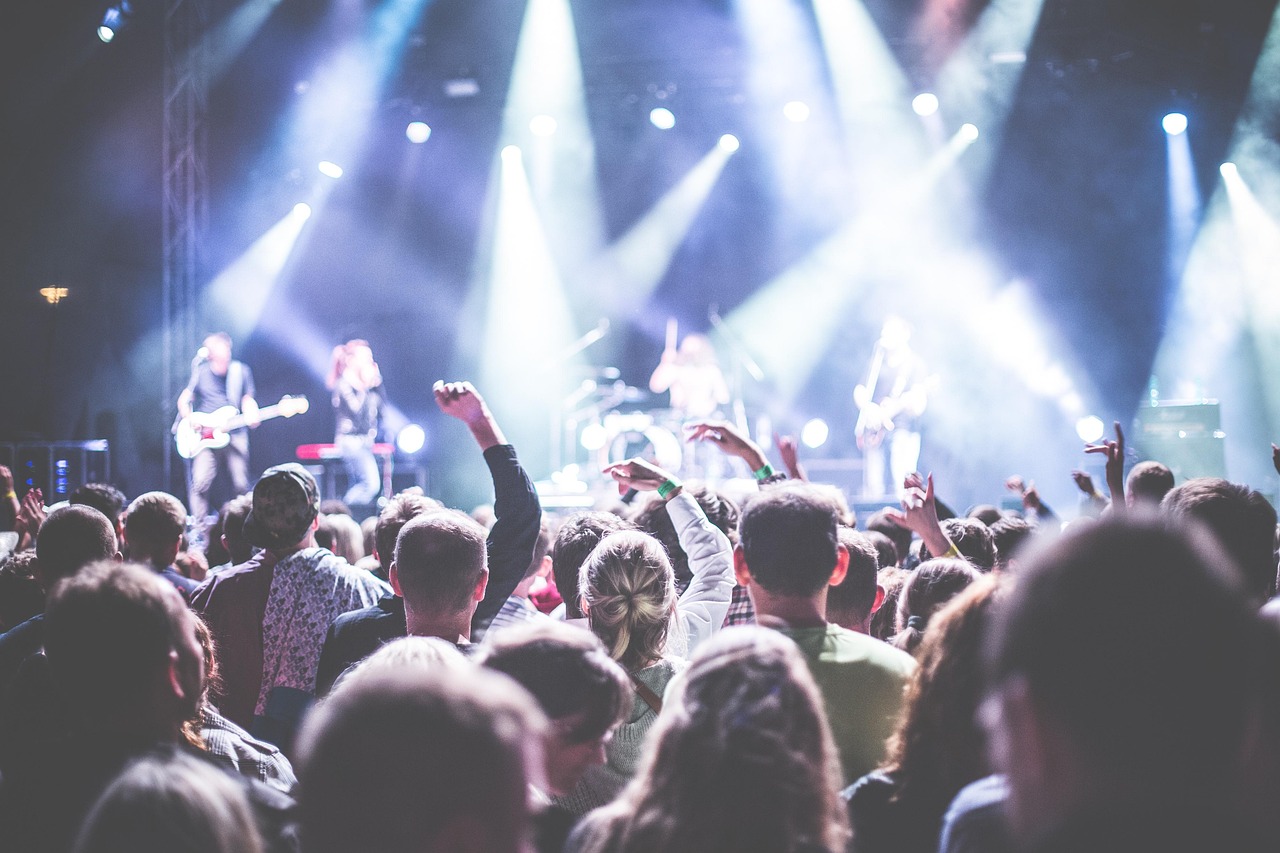
During the event, maintaining a robust social media presence is crucial for enhancing engagement and amplifying attendee experiences. Have a dedicated social media team or a few volunteers tasked with posting live updates throughout the event. Sharing key moments, insightful quotes from speakers, or audience participation can keep online engagement levels high. Use real-time polling and Q&A sessions to involve both in-person and virtual attendees, encouraging hashtag usage to build community dialogue online. Offering incentives for social sharing, such as contests for the best posts tagged with the event hashtag, can further promote participation. Additionally, if any speaker provides unique insights or breakout sessions that resonate well, share snippets of those on your channels for those who couldn’t attend. Capture quality images and videos for storytelling and future marketing efforts. Partners or sponsors of the event can also be tapped to increase reach by engaging their audiences on social media. Additionally, setting up charging stations that highlight your event hashtag encourages further posts from attendees while they recharge devices, thus enhancing visibility.
Post-Event Strategies
After your event concludes, it is essential to maintain the momentum gained through social media engagement further. Begin by sharing thank-you posts to speakers, sponsors, and attendees alike, fostering goodwill and reinforcing community connections. Curate user-generated content from attendees who shared their experiences, reposting or highlighting the best moments shared with your event hashtag. This not only encourages attendees but also enhances your brand’s image for future events by showcasing genuine experiences. Additionally, create detailed reports analyzing engagement metrics, feedback gathered, and tangible outcomes from the event. This data will be instrumental in communicating the ROI of your event to stakeholders and refining future social media strategies. Utilize follow-up email campaigns to reconnect with attendees, providing them with access to event highlights, recorded sessions, and other valuable resources. Creating a post-event survey can further collect insights into attendee experiences and preferences, which can help tailor future events to audience expectations. Ultimately, a focused post-event strategy ensures that you maintain relevance in your target audience’s minds and prepare for your next successful event.
Collaboration with influencers and industry leaders extends the reach of social media campaigns linked to your events. Engage influencers well in advance, inviting them to participate in discussions related to your event themes on their platforms. This creates organic buzz and facilitates access to their established audiences. Create collaborative content, such as interviews, guest blog posts, or social media takeovers that not only promote the event but also provide valuable insights related to the themes of the event. Encourage influencers to share their personal experiences and reasons for attending, further enticing their followers. Additionally, consider leveraging partnerships with organizations that align with your audience’s interests, creating joint campaigns that help showcase the value of the event. Such collaborations can take various forms, like co-hosted webinars leading up to the actual event. Producing shared content can facilitate cross-promotion which amplifies reach, builds excitement, and ultimately drives registrations more effectively than solo efforts. Remember to articulate clear expectations from your partners and continuously engage with them throughout the campaign timeline, ensuring a successful partnership.
Conclusion on Social Media and Event Marketing ROI
The integration of social media into event marketing strategies dramatically enhances overall ROI through increased engagement, visibility, and post-event retention. Continuous feedback and engagement are vital to refining future strategies. Since social media allows for real-time feedback cycles, event organizers can respond and adjust strategies quickly during campaigns. Collecting data and insights before, during, and after events is essential for understanding audience behavior and preferences. Aligning goals with social media marketing objectives streamlines efforts and maximizes returns on marketing investments. Besides, effective social media strategies create long-term relationships with attendees, building a community eager for future interactions. Remember to focus on quality content that resonates with your audience while nurturing existing relationships to foster loyalty and attract new attendees. This cycle of engagement, feedback, and continuous improvement assures that not only will current events shine but future endeavors will be supported by a robust community of engaged attendees, stakeholders, and partners. By prioritizing social media in your event strategy, you significantly boost your ability to achieve and exceed desired marketing ROI.
Marketing ROI matters tremendously in today’s business landscape, particularly for event marketing. Through this sphere, businesses can leverage social media’s expansive reach for their unique offerings. The success of integrating these platforms relies on a holistic approach where potential audiences are engaged before, during, and after events.