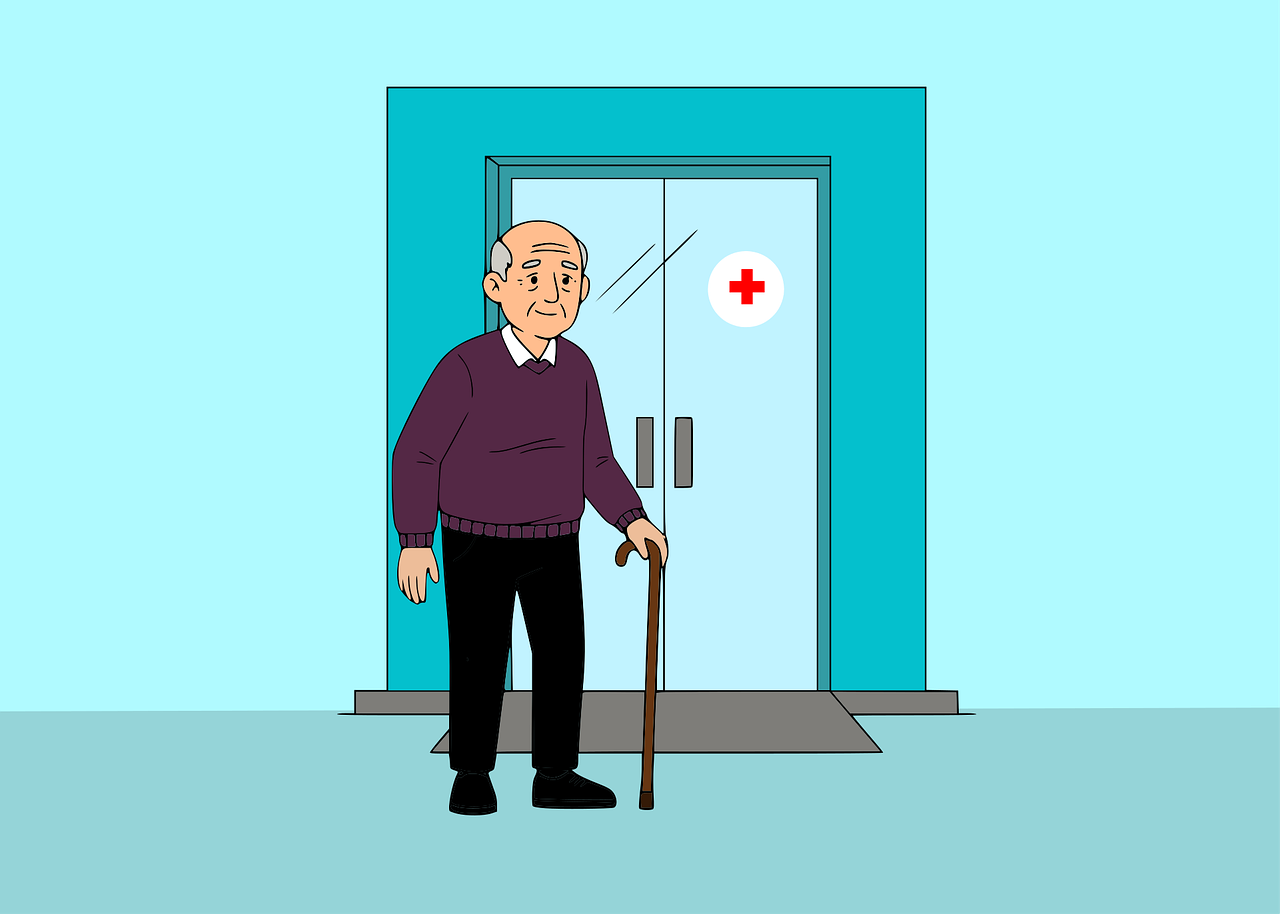

Estate Planning and Healthcare Directives for Retirees
Retirement planning involves various aspects, especially regarding healthcare. Healthcare directives are crucial legal documents, enabling retirees to outline medical preferences. They express wishes when individuals cannot communicate healthcare decisions. Moreover, advanced directives significantly reduce stress on families by clarifying decisions in tough times. These essential documents include durable powers of attorney and living wills. A durable power of attorney appoints someone to manage financial affairs, while living wills specify medical treatment preferences. Understanding these instruments proves vital in ensuring respect for one’s wishes. It’s advisable to review and update healthcare directives regularly, accommodating life changes. Including family discussions enhances transparency and ensures all understand these preferences. Therefore, it strengthens relationships while addressing potential concerns effectively. Remember, healthcare planning should align with estate planning to facilitate a smooth transition. Without clear directives, families might face challenges in adhering to the retiree’s wishes. Consider consulting legal and financial advisors specializing in retirement. They can offer tailored advice reflecting personal conditions. This approach ensures comprehensive coverage of all essential areas, from healthcare decisions to asset distribution, fulfilling both emotional and practical needs.
Effective communication plays a significant role in estate planning and healthcare. Engaging family members allows for discussion about healthcare directives. Many retirees often overlook the emotional aspect tied to healthcare decisions. Therefore, scheduling family meetings to discuss one’s health preferences helps clarify intentions. Open dialogues foster understanding, subsequently allowing everyone to agree on decisions. Additionally, documenting these conversations in advance directives further reinforces the retiree’s wishes. Family members can feel secure in knowing they respect those wishes. Regularly reviewing healthcare directives becomes essential, especially with evolving personal health circumstances. Adapting these to reflect changing opinions shows openness and flexibility. Furthermore, making copies available to family members ensures easy access when necessary. Besides healthcare directives, integrating estate planning into these discussions ensures comprehensive coverage of one’s wishes. Estate plans address asset distribution and legal responsibilities following one’s passing. Consequently, coupled planning leads to clearer transitions for family members. Balancing these aspects benefits the retiree, loved ones, and even caregivers. Ultimately, effective communication among family members enhances collaboration during emergencies, establishing a unified approach towards healthcare and estate decisions.
Healthcare costs can significantly impact retirees, affecting their financial wellbeing. Unfortunately, many overlook these expenses when planning their retirement. Therefore, understanding potential medical expenses is crucial. Conducting thorough research allows retirees to estimate healthcare costs correctly. This knowledge equips retirees with the necessary insights to adjust budgets accordingly. Additionally, exploring various insurance plans, such as Medicare, can provide essential coverage. It’s valuable to understand different components of Medicare, including parts A, B, C, and D. Each part covers specific services vital for comprehensive health benefits. Evaluating which plans align with individual healthcare needs offers retirees peace of mind. Furthermore, researching supplemental insurance options can help bridge potential gaps in coverage. Long-term care is another crucial aspect often underestimated by retirees. Adequate long-term care planning ensures enough resources to cover potential needs, offering independence and security. Overall, taking a comprehensive approach towards healthcare planning allows retirees to balance their budgets and healthcare preferences. Proper planning not only addresses immediate needs but also prepares for unforeseen circumstances, enhancing overall retirement quality. Additionally, potential collaborations with financial professionals can aid in crafting sustainable budgets that accommodate health-related expenses.
The Importance of Regularly Updating Healthcare Directives
Consistently updating healthcare directives remains essential for retirees. Changes in health status, family dynamics, or personal preferences necessitate regular reviews. Moreover, ensuring preferences align with current values and goals is vital. Reassessing healthcare directives can maintain clarity for retirees, specific to their evolving needs. Introducing new family members or dealing with shifts in relationships can alter perspectives significantly. This emphasizes the importance of open dialogue during these discussions. Communicating changes to family members and healthcare providers ensures everyone understands current preferences. Consequently, updating directives should happen alongside significant life transitions like marriage, divorce, or relocation. Frequent revisiting of these documents prepares individuals for unexpected health crises. A proactive approach contributes to ensuring the appropriate parties maintain their capabilities to act upon expressed wishes. Keeping healthcare directives in accessible locations reduces pressures during emergencies. Consider electronic versions securely stored in clouds to facilitate connection with trusted family members and caregivers. Furthermore, encourage comprehensive awareness among healthcare institutions by providing copies of directives. This enhances collaborative environments that genuinely prioritize the individual’s health-related decisions. Overall, these proactive measures establish an environment emphasizing the importance of everyone adhering to established healthcare wishes.
Financial implications of retirement directly link to healthcare directives and estate planning. Retirees must recognize how these documents impact their overall financial strategy. Comprehensive estate plans encompass various elements beyond healthcare wishes, influencing asset distributions after death. Factors like taxes, inheritance laws, and relevant state regulations play significant roles in determining asset allocation. Using trusts can effectively manage these elements, ensuring realignment with protected goals. They help streamline asset distribution while minimizing tax burdens on beneficiaries. Additionally, some estates benefit from charitable giving strategies that further optimize estate planning. Engaging with financial advisors specializing in retirement and estate planning proves invaluable. This professional insight aids in researching allowances and tax implications affecting both healthcare expenses and estate distribution. Proper planning enables retirees to maximize financial resources while addressing healthcare decisions effectively. Further assistance often arises from attorneys experienced in estate affairs, particularly regarding trusts and wills. Collaborating with such professionals enhances comprehension of complex legal language found in many documents. Planning encompasses not only wills but also living trusts and beneficiary designations, thereby aiding in seamless transitions. Overall, the intricacies of combining healthcare and estate planning pave the way for secure financial futures.
Final Considerations in Healthcare Planning
Preparing for retirement encompasses thoughts about the future of healthcare. Retirees need to embrace a comprehensive understanding of healthcare and estate planning. Recognizing the importance of respective roles in ensuring smooth transitions proves invaluable. These detailed plans should combine holistic preferences and practicality. Whether prioritizing healthcare wishes, long-term care provisions, or asset distribution, alignment is paramount. Time invested in creating and reviewing healthcare directives culminates in providing clarity during emergencies. Understanding family dynamics and potential evolving needs requires constant engagement with loved ones. This collaborative effort emphasizes how each plan remains individual and reflective of personal desires. Facilitating open-ended conversations surrounding healthcare ideals strengthens relationships while easing the burden during health-related crises. It creates a holistic approach that integrates emotional support into decision-making processes. Building these practices into regular habits fosters proactive environments beneficial for everyone involved. Ultimately, balancing financial planning with healthcare directives grants retirees peace of mind. It allows retirees to navigate the final chapter confidently, relying on established paths reflecting genuine wishes. This dual strategy underscores the significance of retirement planning, ensuring comfort for both retirees and their families throughout their journeys.
In conclusion, understanding the interplay between estate planning and healthcare directives is vital for retirees and their loved ones. Adapting to the challenges of aging necessitates preparing for future uncertainties surrounding health and financial aspects. Having clear processes means ensuring that estate and healthcare wishes resonate effectively at critical moments. A commitment to continuous discussions within families ensures that healthcare options remain aligned with personal values. Establishing enduring relationships centered on transparent communication facilitates smoother transitions while recognizing diverse viewpoints. Seeking professional advice when necessary aids individuals in navigating complex territory surrounding legal requirements. Ultimately, planning for healthcare and estate management must reflect one’s values and circumstances. Embracing both aspects cultivates strong groundwork for effective decision-making in critical moments. Careful consideration encourages individuals to think proactively, allowing space for possible future adjustments concerning healthcare needs. Regularly updating directives and relying on trusted advisors creates environments where items blend seamlessly together. Ultimately, an integrated approach transforms what might feel overwhelming into manageable tasks, ensuring retirees face the future with confidence and contentment.
Establishing detailed healthcare and estate plans can significantly impact the lives of retirees. Creating a strategic framework that harmonizes both aspects encompasses careful analysis and reflection on personal preferences. By preparing now, the individual’s wishes regarding healthcare, asset distribution, and end-of-life decisions get prioritized, ensuring seamless execution in critical times. Each retiree’s journey remains unique, underscoring the value of crafting tailored plans. Moreover, obtaining necessary legal documentation ensures both healthcare decisions and estate execution align harmoniously. The thoughtful coordination of financial investments, healthcare provisions, and legal arrangements fosters security and resilience. Ultimately, this integrated approach underscores the importance of such directives, significantly enhancing the quality of life during retirement. Retirees must be proactive in addressing these complex issues. Their commitment to open discussions with family and professionals alike lays groundwork for success. Emphasizing the importance of regular reviews and commitment to revisiting these documents keeps goals aligned with aspirations. In doing so, retirees cultivate not just peace of mind but also clear pathways reflecting their passions and desires. With open lines of communication, lasting connections with family can flourish, fostering supportive environments in times of need.