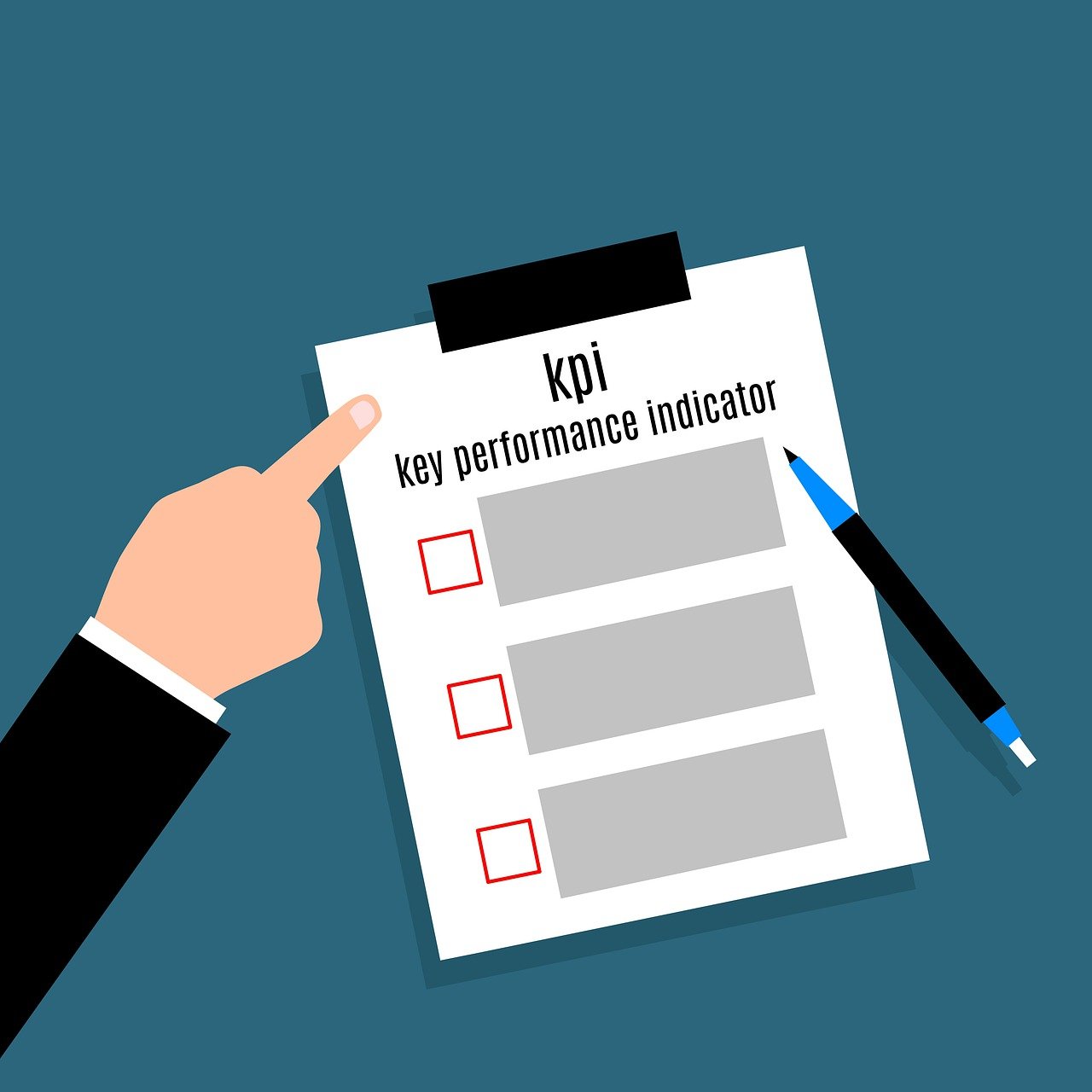

Failing to Measure Performance: A Critical Viral Marketing Error
Viral marketing can be a tremendous asset for businesses looking to expand their reach and grow their customer base. However, one of the most critical mistakes companies make in this realm is failing to measure performance effectively. When a business overlooks this essential step, it loses the ability to gauge whether its marketing campaigns are yielding the desired results. Without proper metrics, it becomes nearly impossible to analyze the effectiveness of various strategies, leaving marketers in the dark. Not only does this create confusion about what is working, but it also leads to resource wastage on ineffective campaigns. Businesses should define clear key performance indicators (KPIs) that align with their marketing objectives. For instance, these KPIs might include customer engagement levels, share rates, and overall conversions. Monitoring these metrics closely enables companies to pivot their strategies based on data rather than guesswork. This focus on analysis not only bolsters a campaign’s potential but can also inform future viral marketing initiatives. Ultimately, understanding what provides value empowers businesses to refine their efforts more effectively.
To successfully engage in viral marketing, businesses must establish a systematic approach towards performance measurement. Ignoring this vital aspect can result in missed opportunities and reduced impact of marketing efforts. A pivotal part of measuring performance is utilizing analytics tools that provide insights into audience behavior. Businesses should employ tools like Google Analytics to track web traffic and user interactions. In addition, social media platforms often have built-in analytics that can help measure engagement and conversion metrics. Another important strategy involves creating A/B testing environments where different versions of marketing materials are evaluated side by side. This testing can elucidate which elements of a marketing strategy resonate best with the target audience. Beyond tracking immediate outcomes, firms should evaluate long-term brand awareness and loyalty as part of the performance assessment. Staying attuned to customer feedback is also crucial for improvement. This can be accomplished via surveys or direct engagement on social media channels. By adopting a comprehensive approach to performance measurement, companies can leverage valuable insights, enhance their viral marketing strategies, and maximize their return on investment.
Setting Clear Objectives for Viral Campaigns
Establishing clear objectives is a fundamental part of effective viral marketing. Companies need to determine what outcomes they expect from their campaigns to ensure their efforts yield measurable success. This clarity helps in both shaping the campaign and selecting the appropriate metrics for performance evaluation. Common objectives may include increasing brand awareness, boosting sales, or driving website traffic. Without well-defined goals, companies often find themselves meandering without direction, leading to an inability to measure the campaign’s effectiveness. Additionally, organizations should communicate these objectives to their teams to ensure everyone is on the same page. Aligning team members with defined goals creates a unified direction, enhancing the overall synergy across marketing functions. It is equally crucial to revisit these objectives after each campaign to reassess their relevance and potential for future campaigns. Flexibility in adjusting goals can lead to improved strategies tailored to market dynamics and audience preferences. In a constantly changing digital landscape, having the ability to adapt ensures that each viral campaign maintains its edge and effectiveness in engaging with potential customers.
Another prevalent mistake in viral marketing occurs when businesses overlook the significance of audience segmentation. An effective marketing strategy should involve identifying and targeting specific audience segments rather than applying a generic approach. Recognizing distinct groups within the broader audience can inform more personalized messaging, ultimately enhancing engagement levels. Companies can utilize demographics, psychographics, and behavioral insights to create highly tailored campaigns. For instance, segmenting an audience based on their interests enables businesses to craft personalized content that resonates deeply with each group. By understanding their audience’s unique motivations and behaviors, brands can address their specific pain points. This targeted approach maximizes the chances of generating shares and referrals, crucial for the success of viral marketing. Additionally, proper segmentation helps businesses predict which types of content will perform better in terms of engagement. When marketers base their strategies on informed segment data, they gain a compelling edge in crafting viral campaigns. As segmentation requires ongoing research, maintaining up-to-date insights is key to effective targeting across various viral marketing efforts.
Learning from Failures and Successes
One of the most important aspects of performance measurement is learning from both failures and successes. Each viral marketing campaign provides valuable data that can be analyzed post-campaign to understand what worked and what did not. Organizations should build a culture of continuous learning where insights gleaned from campaigns inform future strategies. This iterative process fosters an environment where marketers feel empowered to experiment and innovate, knowing that measuring outcomes will provide clarity on the effectiveness of their actions. Establishing a process for documenting campaign results and lessons learned is essential. Creating reports that detail key outcomes, metrics, and insights can serve as a reference for future planning and execution of campaigns. Additionally, conducting team debriefs can facilitate shared learning experiences across departments. Sharing success stories not only boosts team morale but allows for the replication of effective tactics in future initiatives. Conversely, openly discussing failures provides opportunities to identify pitfalls, thereby avoiding similar mistakes in upcoming campaigns. This cycle of reflection and adaptation strengthens overarching marketing strategies, paving the way for improved performance in subsequent viral marketing projects.
A common yet critical misstep in viral marketing is neglecting to integrate customer feedback into performance evaluations. Organizations must prioritize gathering and analyzing feedback to gain a holistic view of their marketing impact. Engaging customers through surveys or social media interactions can provide insights into their preferences and perceptions. By systematically collecting feedback, businesses can identify areas for improvement and make necessary adjustments to their marketing tactics. This engagement also fosters a sense of community and loyalty among customers, as they feel their opinions are valued. Additionally, understanding customers’ insights allows companies to fine-tune future campaigns, ensuring they resonate more profoundly with the target audience. Implementing a feedback loop helps businesses adapt their marketing approaches based on real-time data, ultimately enhancing customer satisfaction. Moreover, leveraging tools that automatically gather feedback during and after marketing campaigns can streamline this process. As a result, organizations can operate more responsively to customer needs and preferences. Cultivating a culture of responsiveness based on customer feedback empowers brands to stay relevant in the fast-paced digital landscape and maintain a competitive edge.
The Importance of Consistent Metrics
In the realm of viral marketing, establishing consistent metrics for evaluating performance is paramount for sustained success. Companies must ensure that they measure the same outcomes across different campaigns to establish a benchmark for performance evaluation. Consistency in metrics allows marketers to observe trends and make data-driven decisions. It also sets a clear expectation for results, helping the teams to understand what constitutes success. This clarity fosters accountability among team members, motivating them to strive for excellence. Moreover, consistent metrics enable organizations to compare various campaigns against one another, highlighting best practices and areas that need improvement. By setting a standard for assessment, businesses can engage in more effective strategic planning and resource allocation. Various metrics, such as engagement rates, conversion rates, or return on ad spend, should be tracked uniformly across campaigns. Consistent evaluation gives businesses a clearer picture of their overall marketing effectiveness and enables them to refine their strategies. In conclusion, ensuring consistent metrics not only enhances performance measurement but also strengthens the organization’s overall marketing approach, facilitating better outcomes.
Finally, it is essential for businesses to embrace technology and innovation in measuring performance in viral marketing campaigns. As digital marketing evolves, new tools emerge that offer deeper insights and more efficient ways of tracking performance. For instance, advanced analytics platforms use artificial intelligence to predict outcomes and suggest optimization strategies based on real-time data analysis. By integrating these technologies, companies can not only measure performance more accurately but also gain actionable insights that drive future decisions. Furthermore, social media platforms continually upgrade their features, allowing brands to access a wealth of performance data at their fingertips. Organizations should remain agile, adopting tools and technologies that fit their specific needs. Regularly revisiting their analytics setup can lead to significant improvements in how performance is measured and understood. Additionally, investing in training for teams to effectively use these tools greatly enhances theoretical capabilities. Embracing technology ultimately empowers businesses to derive value from performance metrics, driving success in viral marketing strategies. Adapting to the changing technological landscape ensures that companies remain competitive and successful in achieving their viral marketing goals.