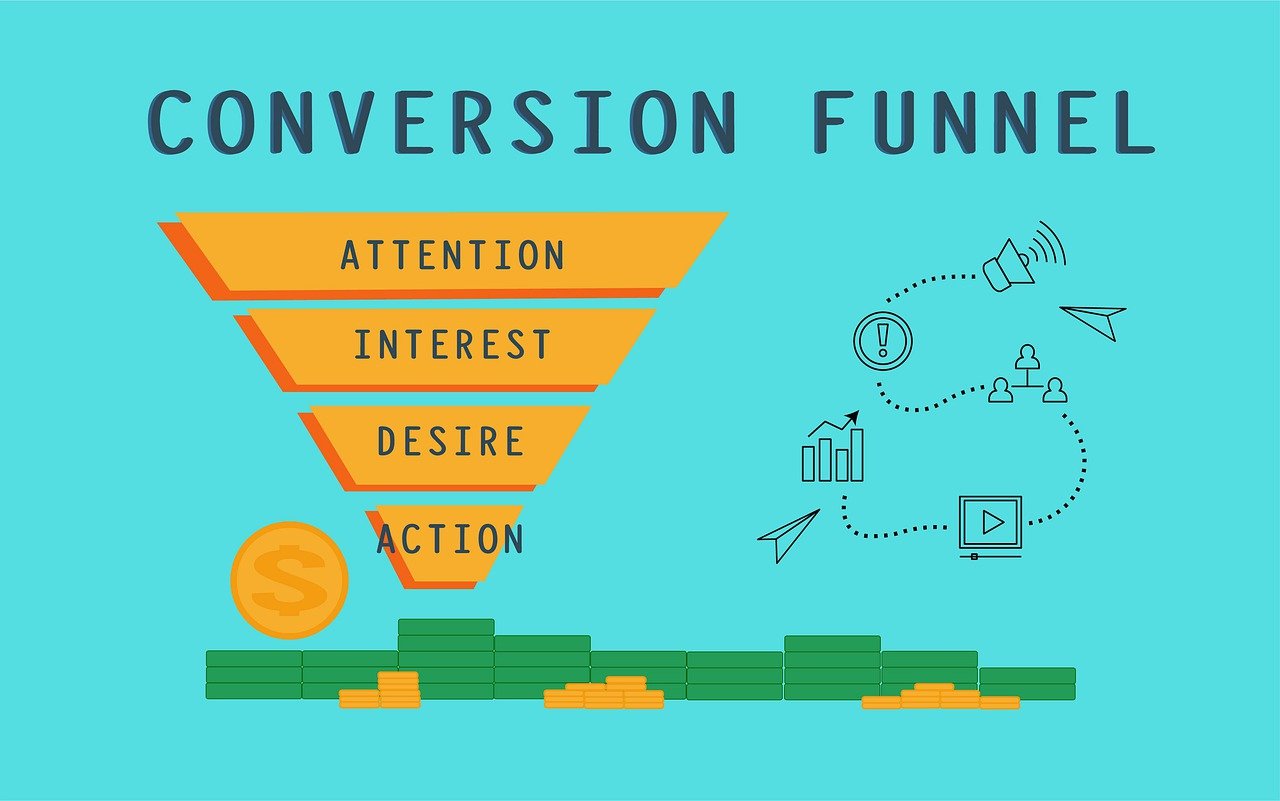

The Integration of Marketing Automation in B2B Sales Funnels
When tackling B2B sales funnels, marketing automation becomes crucial. The dynamics of B2B transactions involve longer sales cycles compared to B2C approaches. Therefore, understanding the pain points in the sales funnel is essential. Marketing automation streamlines efforts by managing leads effectively, nurturing them through personalized content. Businesses can design automated campaigns tailored to specific segments, ensuring that each lead receives relevant information. Automated workflows allow businesses to trigger responses based on user actions. For example, if a prospect downloads a white paper, they can receive a follow-up email with related resources. This targeted engagement increases the chances of conversion significantly. The integration also enables lead scoring, which helps prioritize prospects based on their behavior and interactions. Tracking engagement provides insights into which strategies are working and which need adjustments. As a result, marketers can allocate resources efficiently. Moreover, automation offers analytics that help refine strategies continually. When marketing and sales teams work together, automated processes bridge the gap between them, ensuring that leads transition successfully through the funnel.
A critical aspect of this integration is data synchronization. Having a unified platform allows sales and marketing teams to access vital information in real time. This capability ensures enhanced communication and collaboration, leading to improved outcomes. Lead data captured from various channels feeds directly into CRM systems, accruing valuable insights for decision-making. An efficient workflow ensures that insights drawn from data analytics inform future strategies. For instance, if a specific piece of content is proven to convert well, teams can amplify its distribution. Furthermore, segmenting the audience allows for more effective targeting. Different segments demonstrate unique behaviors, which marketing automation can exploit through tailored messaging. The tools can schedule campaigns, manage social media posts, and provide real-time analytics. Automation also eliminates manual tasks, freeing up valuable time for teams to focus on critical strategies and relationship-building efforts. The ability to conduct A/B testing becomes simpler with automation. Teams can simultaneously test different aspects of their funnels while tracking results without extensive manual intervention, making optimization a much smoother experience.
Additionally, using marketing automation tools enhances the customer experience by fostering timely interactions. In B2B environments, stakeholders often make higher-stakes decisions; therefore, responsiveness is crucial. Automated emails triggered by specific actions maintain a continuous dialogue with prospects. By delivering relevant content at each stage of the buyer’s journey, businesses can multiply their chances of closing deals. Personalized content sent through automation creates a more engaging experience, potentially increasing loyalty and trust. Understanding how leads interact with content provides additional data points, further refining audience targeting. Integration often leads to improved customer satisfaction, as prospects feel valued and informed. The automation process helps ensure that no lead feels neglected, maximizing opportunities available in the funnel. Furthermore, incorporating chatbots can significantly enhance customer interaction timelines. Chatbots offer immediate assistance to inquiries, which is invaluable in a B2B context. They can answer questions, provide support, and even guide users to relevant content, ensuring that businesses remain visible and accessible. Automation thus equips B2B companies with the responsiveness required to stay relevant in competitive markets.
Analytics and Insights
Another relevant component of marketing automation in B2B sales funnels is the analytics that comes with these systems. Many modern marketing automation platforms provide insights into campaign performance, sales conversions, and customer engagement levels. By accessing data analytics, businesses can make informed decisions and shape future strategies. This understanding translates to higher ROI, allowing organizations to fine-tune their messaging and increase impact. For instance, examining conversion metrics can highlight which channels yield the best results. Marketing teams can then prioritize those methods for future campaigns. By harnessing analytics, teams can further identify areas that require optimization, ultimately boosting the efficiency of sales funnels. Additionally, the power of real-time reporting enables businesses to react to emerging trends swiftly. Whether it involves altering content or adjusting the timing of outreach efforts, data-driven decision-making becomes seamless. B2B companies often face complex market dynamics, making adaptation essential. Continuous learning from analytics ensures that organizations stay aligned with market demands. Moreover, analytics provide foresight, helping anticipate potential obstacles before they become detrimental issues within funnels.
Moreover, integrating customer relationship management systems with marketing automation platforms creates a more cohesive approach. A CRM system serves as a centralized database for all customer interactions, giving marketing and sales teams complete visibility. This integration fosters collaboration, as everyone accesses the same data, eliminating silos that often hinder communication. Enhanced transparency allows team members to work towards a unified goal, leading to more effective lead nurturing. Furthermore, this synergy enables personalization at a higher level. When teams understand each lead’s history, preferences, and behaviors, they can tailor their messaging even more effectively. Addressing prospects’ specific pain points through personalized outreach becomes far more achievable. As leads progress through the sales funnel, they receive communications that resonate with their needs, ultimately accelerating decision-making. Personalized experiences in B2B environments significantly contribute to higher conversion rates. Consequently, streamlined communication between marketing and sales is paramount. Utilizing automated tools to schedule meetings or manage contacts can facilitate smoother handoffs at critical funnel stages. This automated support ensures no lead falls through the cracks of communication, allowing seamless transitions throughout the buying journey.
Furthermore, the scalability provided by marketing automation benefits B2B sales funnels immensely. As businesses grow, managing leads becomes more complex. Automation tools scale with these changes, integrating additional functionalities as required. For instance, when introducing new products or services, marketers can create targeted campaigns without overwhelming staff resources. This adaptability ensures teams can maintain efficiency without sacrificing quality. Marketing automation also empowers businesses to experiment with new tactics without risk. For instance, campaigns can be tested in smaller segments before broader implementation. Keeping resources finite enhances sustainability while maximizing effectiveness, driving growth and innovation. Additionally, marketing automation offers integration capabilities with other tools, enhancing overall functioning. Businesses can connect their eCommerce platforms, email marketing systems, and analytics tools seamlessly. This interconnectedness enriches data accuracy, leading to informed decision-making across all business aspects. Being informed translates to improved sales forecasting and strategy adjustment. The automation flexibility means businesses remain agile in an ever-evolving B2B landscape. As companies adapt, marketing automation consistently offers an operational backbone to support evolving strategies.
Future of Marketing Automation in B2B
As we progress, the future of marketing automation in B2B contexts appears promising, given its continuous evolution. Innovations like artificial intelligence and machine learning are set to enhance automation capabilities further. These advanced technologies help in predicting customer behavior more accurately, enabling businesses to deliver highly personalized content. Predictive analytics becomes a reality, allowing teams to forecast customer needs and preferences. This foresight can shape marketing endeavors, maximizing the efficacy of campaigns. Additionally, automation solutions are becoming increasingly user-friendly. This accessibility empowers more teams across organizations to leverage these powerful tools, regardless of their technical expertise. As more organizations adopt these solutions, standardization of marketing practices will likely emerge across industries. Moreover, compliance and data security issues are being addressed by these tools, assuring businesses that they can operate within legal parameters. As B2B markets grow more competitive, the need for refinement and optimization will only intensify. Marketing automation will undoubtedly become a mainstay for organizations looking to enhance their sales funnels effectively. Successful integration allows B2B companies to streamline processes, improve accuracy, and nurture leads successfully.
In conclusion, the integration of marketing automation in B2B sales funnels provides numerous advantages. By streamlining processes, enhancing communication, and utilizing data insights, businesses improve conversion rates and customer experiences. Marketing automation simplifies tasks and creates opportunities for growth, allowing organizations to thrive in competitive environments. The ability to customize and personalize outreach efforts heightens the effectiveness of marketing endeavors. Furthermore, the scalability offered by marketing automation tools ensures that companies can adapt to market fluctuations effortlessly. As technology continues to evolve, B2B businesses that embrace these advancements will remain ahead of the curve. They will foster stronger relationships with clients while maximizing their marketing investments. It is clear that marketing automation has become a fundamental aspect of effective B2B marketing strategies. As organizations harness its potential, they lay the groundwork for future success in their B2B sales funnels. Ultimately, proper implementation and continued optimization serve as key drivers of competitive advantage. These aspects create a roadmap for sustainable growth and innovation within B2B contexts.