
Groupthink and Its Role in Amplifying Financial Bubbles
Groupthink significantly influences decision-making in financial markets, especially during bubbles. It refers to the psychological phenomenon where individuals conform to group opinions, leading to consensus without critical reasoning. This conformity often disregards data analysis and promotes herd behavior, which can amplify stock market bubbles. During periods of rising prices, groupthink can cause investors to overlook warnings and negative indicators. Consequently, they engage in irrational buying, thinking that their peers are better informed. This collective mindset can sustain bubbles longer than fundamentally justified. Historical events, such as the dot-com bubble, illustrate the consequences of groupthink. Investors collectively disregarded the underlying value of technology firms, driven by the excitement to fit in. When reality set in, massive sell-offs followed, resulting in significant financial losses. To combat groupthink, investors need to foster critical thinking and encourage dissenting opinions within their groups. Creating a diverse investment committee that welcomes varied perspectives can mitigate the effects of this psychological trap. Thus, understanding groupthink is essential for investors and financial analysts, as being aware may lead to more grounded investment strategies that resist market bubbles.
Another critical aspect of groupthink involves the dynamics of market sentiment, where collective emotions gain traction. In times of economic prosperity, the optimism shared among investors fuels overconfidence, which directly contributes to the formation of financial bubbles. The rallying effect, where enthusiasm grows incrementally, leads investors to ignore cautionary signals. Consequently, bubbles inflate as more participants enter the market, driven by prevailing positive sentiments rather than rational evaluations. The phenomenon was evident in the housing market boom, where soaring prices created an unsustainable belief of perpetual growth. Many investors, despite lacking knowledge in real estate, joined the fray, convinced by social proof. This blind adherence creates an echo chamber, reinforcing positive feedback loops and driving prices further upward. Investors often express disbelief when predictions of a downturn arise because the prevailing sentiment overshadows their rational judgment. To break this cycle of emotional investing, education is key. Individuals must develop the ability to recognize the signs of irrational exuberance early on. Awareness enables investors to approach market trends critically, helping preserve their capital during inevitable corrections that follow excessive market euphoria.
Consequences of Overconfidence and Herd Mentality
Overconfidence among investors is often accentuated by groupthink, leading to risky financial decisions. When individuals possess an inflated sense of their market abilities, they frequently underestimate risks associated with financial assets. This phenomenon emerges as participants witness others experiencing success, skewing their perception and leading to reckless behavior. As stock prices climb, confidence breeds complacency, making it increasingly difficult to consider the potential for losses. The accompanying herd mentality operates under the premise that if everyone is buying, it must be the correct decision. This line of thinking exacerbates financial bubbles, as masses rush into investments without sufficient research. Historical financial crises reveal patterns of overconfidence preceding market crashes. The dot-com bubble, for example, was fueled by investors convinced that technology stocks would only rise. When reality set in, the sudden air came out of the market, leading to dramatic losses and illustrating how deep groupthink can affect collective financial health. To prevent similar situations, investors must maintain a level of skepticism and thorough analysis. Building strategies based on reason rather than emotion can lead to more sustainable investment practices in the long run.
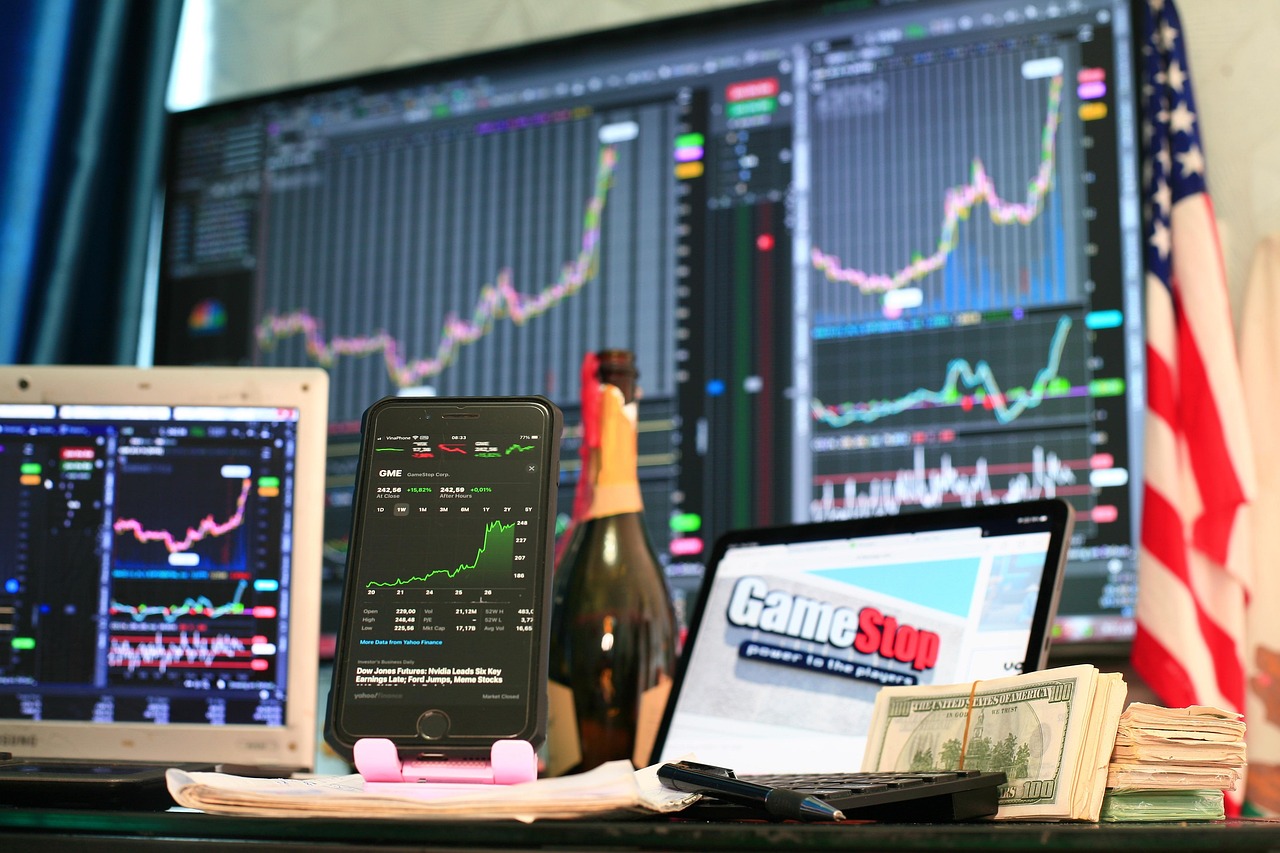
Another significant factor in the interplay between groupthink and financial bubbles is the influence of social media. The rapid spread of information and opinions across platforms can distort market perceptions and consolidate groupthink behaviors. In the digital age, opinions from popular figures or trends can sway public sentiment within minutes, often overshadowing factual analysis. Retail investors, emboldened by online communities, tend to mimic strategies without understanding the underlying mechanics of the market. This creates an echo chamber where shared beliefs are amplified further until stocks detach from their fundamentals. Social media can also create FOMO, or fear of missing out, leading individuals to participate in irrational buying behaviors. Iconic examples include meme stocks, where community-driven hype eclipses traditional valuation metrics. These trends reveal how social networks actively contribute to the detachment between stock prices and company values. To combat this, emotional intelligence and critical thinking become essential tools for investors. In a media-saturated world, individuals must approach information with skepticism, ensuring that their investment decisions remain rooted in analysis rather than impulsive group dynamics that fuel bubbles.
Strategies to Mitigate the Impact of Groupthink
To counteract the detrimental effects of groupthink, implementing a few strategic measures within investing circles can be incredibly effective. One approach involves establishing clear organizational structures that encourage dissenting opinions. Investment committees should actively seek out and include diverse viewpoints, ensuring that dominant narratives do not overshadow minority perspectives. Educating all members on cognitive biases, including groupthink, can help foster a culture of critical thinking. Furthermore, the introduction of scenario planning exercises challenges conventional wisdom and prompts individuals to evaluate various market outcomes. This proactive measure reduces reliance on group consensus as the sole criterion for decision-making. Additionally, utilizing structured decision-making frameworks can guide investors in evaluating choices based on objective criteria rather than social pressure. Implementing regular reviews of investment strategies can also mitigate the impact of external market hype. By adopting a disciplined approach, investors can remain alert to potential bubble formation trends and act accordingly. These strategies not only enhance investment practices but also cultivate a more resilient mindset among stakeholders, significantly benefiting their long-term financial careers and health.
Another essential component involves the role of emotional intelligence in recognizing groupthink tendencies. Investors must develop the ability to identify when emotional dynamics overshadow rational judgment. Practicing empathy with fellow stakeholders can clarify underlying motivations, revealing whether decisions are driven by sound logic or collective sentiment. Self-awareness also plays a critical role in this process, as investors must confront their predispositions towards herd behavior. Regularly reflecting on personal investment decisions fosters an environment of accountability, pushing individuals to question the validity of choices made in group settings. Workshops or team-building exercises focused on emotional intelligence also promote healthy discussions around investment performance and decisions. By cultivating these skills, investors sharpen their acumen, enabling them to navigate through the chaotic marketplace effectively. Furthermore, understanding emotional influences can lead to more thoughtful conversations around risk tolerance, ultimately contributing to more diversified portfolios. Emotional intelligence serves not only as a defensive tool against groupthink but also as an asset in establishing constructive relationships within investment teams. This holistic approach enhances overall decision-making capacity and promotes sustainable financial practices.
Conclusion: Understanding and Resisting Groupthink
In conclusion, recognizing the impact of groupthink on financial bubbles is essential for effective investing. As psychological tendencies catalyze herd behavior, investors must remain vigilant and proactive in their analysis. The interplay between collective emotions and market dynamics can significantly skew perceptions, leading participants to act irrationally, especially during periods of euphoria. By understanding groupthink’s nuances, investors can adopt strategies to mitigate its influence, equipping themselves with the necessary tools to make informed decisions. Encouraging diverse viewpoints, fostering critical thinking, and promoting emotional intelligence are vital components for navigating tumultuous markets. Furthermore, developing personal accountability leads to healthier investment practices, reducing the risk of future bubbles. While the temptation to conform may be strong, those who resist will find themselves better positioned for long-term success. As we continue to evolve within dynamic financial landscapes, awareness and strategic adaptability become synonymous with sustainability. Ultimately, grasping the mechanisms of groupthink empowers investors to emerge resilient, capable of discerning between collective excitement and reasoned judgment amid the chaos of market fluctuations, preserving financial integrity.