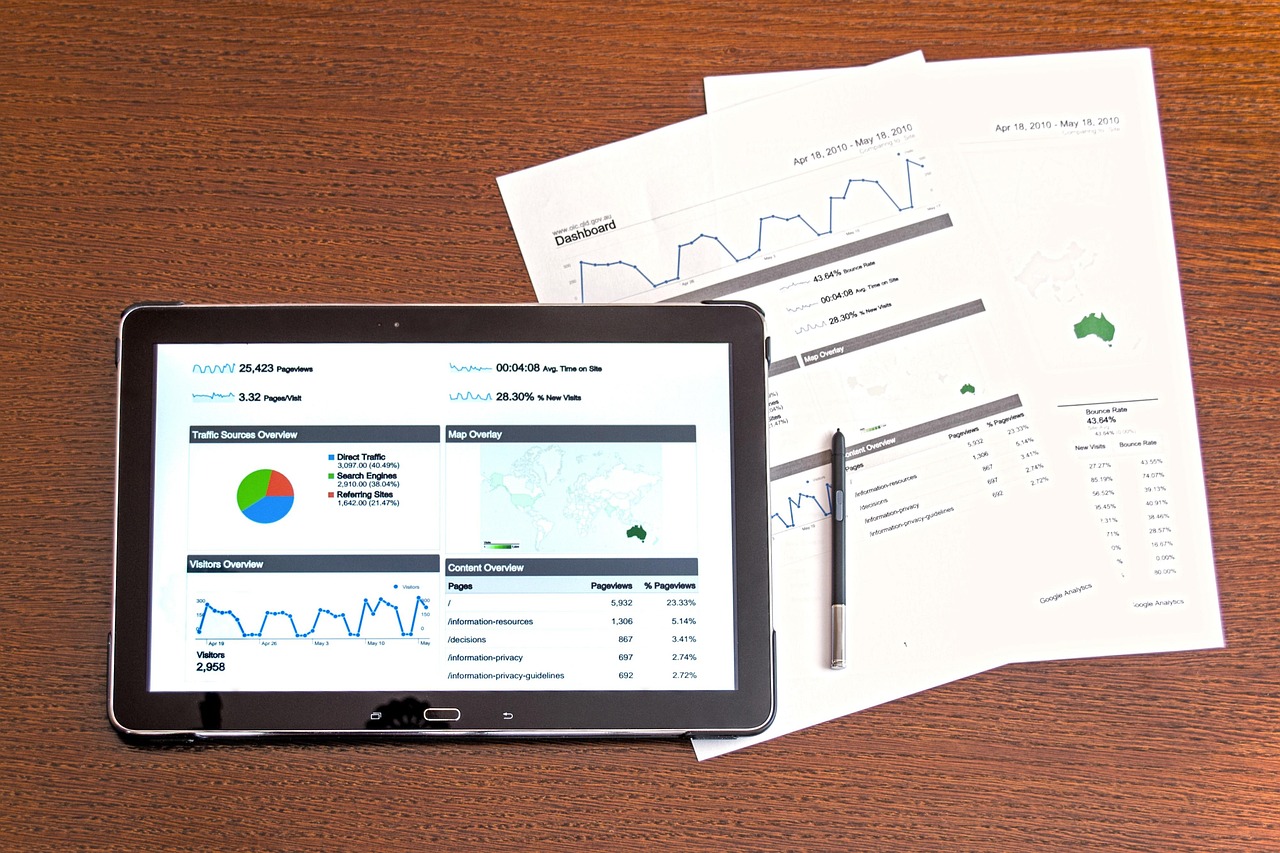

Marketing Analytics: From Data to Behavioral Insights
Understanding consumer behavior is crucial for successful marketing strategies. Behavioral analytics is a powerful tool that allows marketers to delve deep into customer actions. It leverages data from various touchpoints to provide insights into how consumers interact with brands. This analysis not only helps in identifying purchasing patterns but also enhances customer engagement by tailoring communication effectively. By monitoring websites, social media, and other platforms, businesses can gain actionable insights. This can lead to better targeting and improved conversion rates. Additionally, behavioral analytics can help in predicting future behaviors by analyzing past actions. It empowers marketers to make data-driven decisions rather than relying on traditional gut feelings. Furthermore, the integration of artificial intelligence with analytics tools is transforming how data is interpreted. AI algorithms can identify trends in massive datasets, uncovering hidden patterns that may not be evident during manual analysis. Consequently, investing in behavioral analytics is essential for companies aiming to enhance their marketing efforts. As consumer expectations rise, businesses must rely on these insights to stay ahead of the competition.
With the rise of big data, marketers have access to a staggering amount of information. However, the key lies in effectively utilizing this data to gather insights. Behavioral analytics focuses on the actions and interactions of consumers, thus painting a clearer picture of customer preferences. By employing tracking tools like cookies and web beacons, businesses can follow users’ journeys online. Understanding where customers drop off or engage is essential in refining marketing strategies. Additionally, this understanding aids in creating targeted campaigns that resonate with individual consumers. For instance, if a customer frequently browses specific products, personalized recommendations can significantly impact their purchasing decision. Analyzing this data over time can reveal trends that help businesses adapt swiftly to changes in consumer behavior. Furthermore, segmentation becomes more precise with insights gleaned from behavioral data. It allows marketers to tailor messages based on demographics, psychographics, and behavioral segments. As a result, the likelihood of capturing consumer interest increases exponentially. By focusing on behavioral insights, companies can cultivate loyalty and foster deeper connections with their audience, ultimately resulting in higher sales and customer retention.
The Role of Data in Understanding Behavior
Data quality is essential in the realm of behavioral analytics. Poor data can lead to misguided conclusions and strategies that waste resources. Hence, businesses must employ data validation techniques to ensure accuracy. This involves regularly cleaning and updating data sources to maintain integrity. Moreover, segmentation allows for a nuanced understanding of diverse clientele. Companies can analyze behaviors across different segments to discover what drives purchasing decisions among various demographics. Furthermore, a holistic view of consumer behavior includes incorporating multiple data sources. This might include social media interactions, purchase history, and even customer service engagements. By consolidating these insights, marketers gain a more comprehensive picture of the customer journey. Understanding not just what customers buy but also why they make those decisions is the crux of behavioral analytics. This deeper understanding enables brands to adjust their strategies accordingly. For instance, recognizing that customers abandon carts due to unclear checkout processes can lead to improved user experiences. Ultimately, integrating robust data practices is imperative for extracting valuable insights from behavioral analytics efforts.
Integrating technological advancements, including machine learning and AI, has witnessed significant growth in behavioral analytics. These technologies can sift through vast amounts of data rapidly, enabling marketers to identify consumer behaviors with unprecedented accuracy. Additionally, predictive analytics allows businesses to forecast future consumer actions. By utilizing historical data, machine learning algorithms can predict trends and suggest actionable strategies. For instance, if a specific product shows an increase in interest leading up to a seasonal event, marketers can allocate resources accordingly. Another innovative approach involves using sentiment analysis to gauge consumer emotions towards products. By analyzing social media feedback and reviews, brands can adjust their offerings to better suit customer preferences. Enhanced targeting is achieved through predictive models, ensuring that marketing messages reach the right audience at optimal times. Moreover, personalized marketing based on behavioral insights enhances customer satisfaction by making interactions more relevant. This tailored experience fosters brand loyalty and can significantly impact a customer’s lifetime value. In this constantly evolving digital world, embracing technologies that harness behavioral analytics is vital for sustained marketing success.
Transforming Insights Into Strategies
Once valuable insights are gathered from behavioral analytics, transforming them into actionable marketing strategies is crucial. The first step involves prioritizing data findings based on impact potential. Marketers should focus on insights that align with their business goals. For example, if analytics reveal that a significant portion of users abandons their shopping carts, implementing strategies to streamline the checkout process could yield substantial results. Testing different approaches and analyzing their effectiveness is integral to an agile marketing strategy. Employing A/B testing allows marketers to refine their messaging by understanding what resonates with their audience best. Additionally, leveraging insights can help in optimizing marketing channels. Knowing where customers engage most allows businesses to allocate budgets more effectively. Furthermore, utilizing personalization in marketing campaigns heightens their relevance and effectiveness. This might include tailored emails, website content, or targeted ads based on previous user behavior. Writing compelling narratives driven by customer insights can boost engagement, resulting in higher conversion rates. Ultimately, turning behavioral insights into concrete strategies ensures that marketing efforts are not only informed by data but also aligned with evolving consumer needs.
Moreover, continuous monitoring and iteration of strategies based on new insights are vital in behavioral analytics. The marketing landscape is dynamic, and consumer behaviors can shift rapidly due to varying factors. Thus, regularly revisiting analytics results helps in staying relevant and appropriate. Feedback loops enable marketers to gather information from their campaigns, adapting techniques as necessary to optimize results. Customer engagement must be analyzed regularly to identify emerging trends or concerns quickly. A proactive approach allows businesses to pivot their strategies effectively to meet changing demands. Additionally, the importance of collaboration between teams cannot be overstated. Marketing, sales, customer service, and IT departments must unite their efforts to harness behavioral insights fully. Integrating various perspectives fosters a deeper understanding of customer motivations. Further, engaging customers solicit feedback can provide invaluable insights that quantitative data might miss. Utilizing surveys or feedback forms facilitates direct communication with customers, enhancing relationships and yielding deeper insights. In conclusion, a robust ecosystem around behavioral analytics leads to comprehensive marketing strategies and better consumer engagement.
Future Trends in Behavioral Analytics
As we look ahead, several trends are shaping the future of behavioral analytics in marketing. One prominent trend is the increasing importance of data privacy and consumer trust. As regulations tighten globally, marketers must find innovative ways to gather insights without compromising personal data. Transparency in data usage is critical to gaining consumer trust. Therefore, businesses will need to adapt to these changing legal frameworks, ensuring compliance while still achieving their analytical goals. Another trend impacting behavioral analytics is the advancement of artificial intelligence. Enhanced tools for analyzing consumer behavior are on the rise, making insights easier to access and interpret. Machine learning algorithms will continue improving their ability to predict consumer actions based on historical behaviors. Additionally, real-time analytics are becoming increasingly vital. Consumers expect timely responses and personalized interactions, prompting marketers to be agile and responsive. Tools that provide instantaneous insights into customer behavior will help brands optimize their strategies on-the-go. Overall, the future of behavioral analytics in marketing looks promising, with technology driving improvements in understanding and engaging with customers effectively.
Ultimately, the integration of behavioral analytics into marketing strategies represents a significant shift towards data-driven decision-making. As businesses embrace these insights, they become more adept at nurturing consumer connections. Behavioral analytics provides the foundation for marketing initiatives that resonate with target audiences. Companies utilizing these insights are not just reacting to trends but proactively shaping customer experiences. Such an approach leads to increased brand loyalty and higher conversion rates. Moreover, the ongoing evolution of technology continues to empower marketers with more sophisticated tools and techniques. The ability to analyze consumer behavior deeply enables the exact targeting of marketing efforts, leading to better business outcomes. Therefore, investing in behavioral analytics should be a cornerstone of any modern marketing strategy. Companies that recognize its potential will undoubtedly remain competitive in a crowded marketplace. Engaging with consumers on a personal level is increasingly vital. This underscores the necessity of understanding behavior through analytics. In conclusion, harnessing data to gain behavioral insights empowers businesses, setting the stage for sustained growth and success in the digital era.