
How Data Analytics Transforms Customer Segmentation
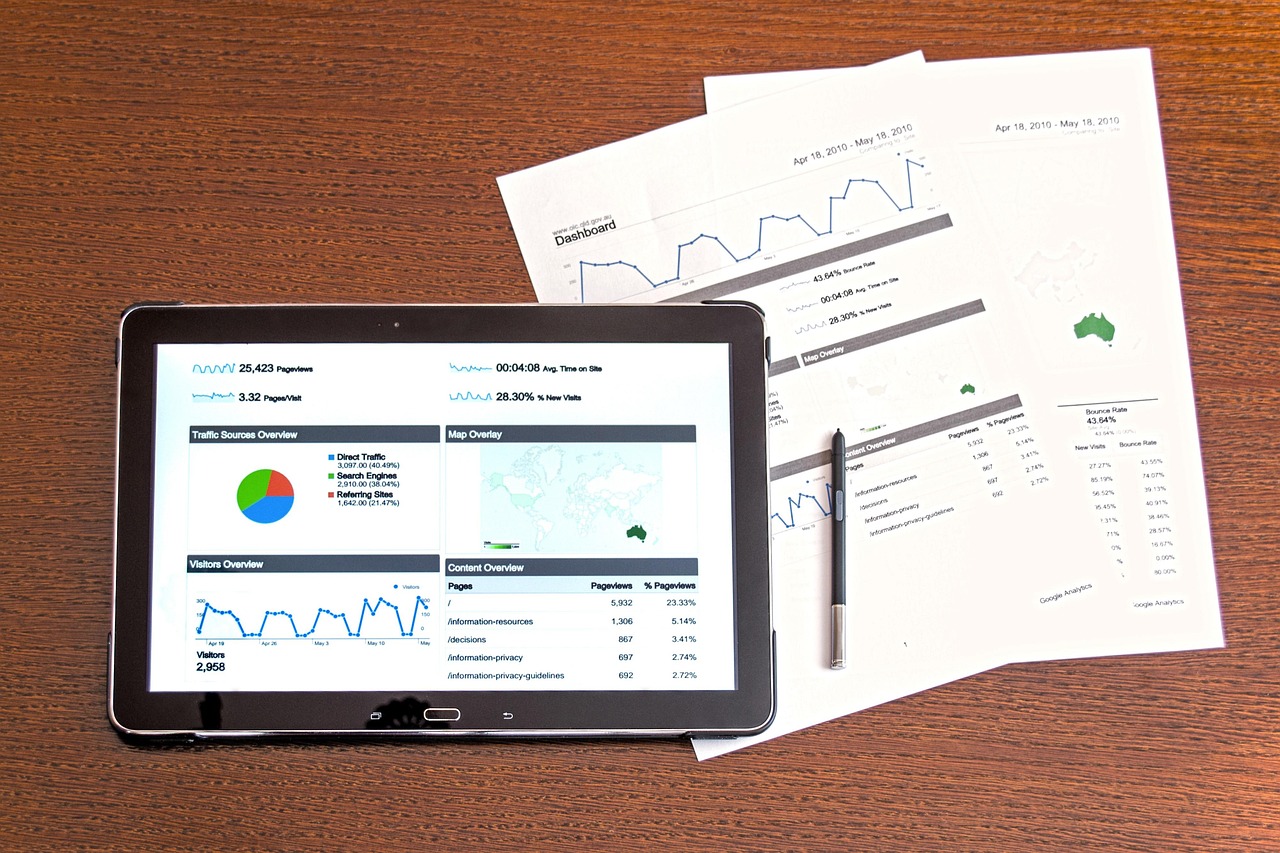
Data analytics has become a cornerstone of modern marketing strategies. By leveraging advanced techniques, businesses can analyze vast amounts of data to derive insights that would be impossible to uncover manually. Customer segmentation is one area that particularly benefits from these analytics. Traditional methods often relied on broad demographics that did not capture the complexity of buyer behaviors. Data analytics offers a more nuanced view, employing algorithms and machine learning to dissect customer data into meaningful segments. This enhances targeting and personalization, allowing enterprises to craft tailored marketing messages. With improved accuracy, companies can align their strategies with actual customer needs and preferences. As technologies evolve, the importance of harnessing data analytics in segmentation processes continues to rise. Furthermore, utilizing platforms that integrate analytics can streamline the process of gathering and interpreting data, making it more manageable for marketers. In the competitive landscape today, relying on intuition alone is no longer adequate. Organizations now emphasize data-driven decision-making, which aids tactical planning. Ultimately, this shift to data analytics not only improves customer experiences but also drives significant revenue growth and customer loyalty for brands operating in various industries.
Understanding customer behavior is essential for any effective marketing campaign. Data analytics enables businesses to capture detailed insights into customer preferences, purchase history, and behaviors across numerous touchpoints. By segmenting customers based on real data rather than assumptions, marketers can identify distinct groups that exhibit similar characteristics and behaviors. For instance, segmentation may reveal clusters of customers interested in specific products or services, resulting in targeted campaigns that resonate more deeply. This tailored approach increases engagement rates and, ultimately, conversion rates. With tools like predictive analytics, companies can also forecast future purchasing behaviors, offering even more precision in tailoring marketing strategies. Additionally, businesses can test various marketing messages for different segments to assess effectiveness and ongoing optimization. As they collect and analyze data continuously, organizations can refine their marketing efforts in real time. For marketing teams, the ability to harness data efficiently not only enhances their visibility into customer segments but leads to actionable insights that can be implemented across various campaigns. Overall, data analytics empowers marketers to navigate the complexities of customer preferences, leading to more effective strategies and outcomes in customer engagement.
Data privacy has become a critical issue in modern marketing practices. As companies increasingly rely on data analytics for customer segmentation, they must balance leveraging customer insights with respecting privacy. Regulations like GDPR and CCPA mandate that businesses handle customer data responsibly. Therefore, marketers must ensure that their data collection and analysis practices are compliant with these regulations. Transparency is key in fostering trust with customers who may be skeptical about how their data is being used. Furthermore, consumers are increasingly aware of data breaches, making them more critical of companies that do not prioritize secure data practices. Building trust requires businesses to communicate clearly about their data usage policies. Marketers should prioritize obtaining explicit consent when collecting data while also offering customers genuine value in exchange. Providing personalized experiences and recommendations driven by analytics can justify data sharing, ultimately benefiting both customers and companies. Brands that successfully navigate these challenges will be well-positioned to utilize data analytics effectively. Hence, developing a robust framework for data governance ensures that marketing efforts remain ethical while capitalizing on the advantages of advanced analytics.
The Role of Machine Learning in Segmentation
Machine learning plays an increasingly pivotal role in enhancing customer segmentation through data analytics. By utilizing algorithms, businesses can automatically identify patterns in customer data, making segmentation more effective and dynamic. Unlike traditional segmentation, which may rely on historical data snapshots, machine learning allows marketers to create more agile segments. These segments can evolve based on changes in customer behavior in real time. Consequently, marketers are better equipped to address the shifting demands of their audiences. For example, machine learning can help identify new, emerging segments that may not have been visible using conventional methods. Implementing these technologies can increase operational efficiency, allowing marketing teams to focus on strategy and creative aspects, rather than being bogged down by data processing tasks. Moreover, machine learning systems can process large datasets quickly, providing marketers with actionable insights faster than ever before. As businesses adopt these sophisticated technologies, they significantly enhance their ability to connect with customers meaningfully. By leveraging machine learning in customer segmentation, brands can yield more personalized experiences that drive engagement and foster long-lasting customer relationships, ultimately boosting brand loyalty and sales.
Another significant benefit of data analytics in customer segmentation lies in its ability to enhance marketing strategy effectiveness. By enabling precise targeting, companies can allocate their resources more efficiently, optimizing their marketing budgets. Instead of casting a wide net, businesses can focus their energies on high-potential segments more likely to convert. Analyzing data helps identify which segments yield the best results, allowing teams to tailor campaigns efficiently to resonate with specific profiles. Furthermore, businesses can derive insights on ideal engagement channels for each segment. For instance, some audiences may respond better to email marketing, while others may prefer social media outreach. Understanding these preferences enables marketers to design multi-channel campaigns that effectively reach and engage target audiences. The strategic insights gleaned from data analytics allow businesses to pivot when necessary. For example, if certain segments are not performing as expected, marketers can quickly analyze trends and adjust campaigns accordingly. These capabilities provide a competitive edge in the marketplace, as responsive and adaptable marketing strategies can lead to significantly improved customer relationships and overall outcomes.
Real-Time Analytics and Its Impact
Real-time analytics provides businesses with immediate insights, revolutionizing customer segmentation efforts. By utilizing real-time data, marketers can adapt their campaigns dynamically, responding to customer behaviors as they happen. This level of responsiveness allows for timely adjustments to targeting strategies, ultimately enhancing customer relevance and satisfaction. For instance, if a particular promotional offer is identified as successful in real time, marketers can increase its reach to targeted segments without delay. This flexibility not only helps in capitalizing on successes but also aids in mitigating losses by phasing out underperforming tactics swiftly. Additionally, real-time analytics can facilitate the identification of trends as they develop, giving companies a head-start on emerging market preferences and behaviors. The capacity for rapid decision-making is crucial, especially in fast-paced industries where customer preferences may shift significantly in short periods. Incorporating these analytics into daily operations empowers marketing teams to make data-driven decisions with confidence, without the lag associated with traditional data measurement methods. Ultimately, real-time analytics can lead to improved marketing ROI and strengthened relationships with customers who feel recognized and understood.
To maximize the benefits of data analytics in customer segmentation, organizations must invest in the right technology and talent. Implementing robust analytical tools is crucial for extracting actionable insights from the collected data. Companies must explore platforms that offer comprehensive capabilities, such as predictive analytics, customer journey mapping, and visualization tools. Equipping marketing teams with the right skill sets to interpret data and translate insights into strategies is equally important. This may involve ongoing training for existing personnel or hiring specialists with expertise in data analytics. Fostering a data-driven culture within the organization encourages all departments to rely on analytics when making decisions. Collaboration between teams can further enhance segmentation processes by incorporating diverse perspectives and expertise. In this regard, adopting cross-functional teams can be beneficial, as they bring together information from sales, customer service, and product development. By creating an ecosystem where data analytics is valued and effectively used, businesses can experience transformative changes in customer segmentation, leading to notable improvements in engagement, loyalty, and long-term business success.
Conclusion: Embracing a Data-Driven Future
As data analytics continues to advance, its role in customer segmentation is set to become even more significant. Embracing these technologies will drive differentiation in highly competitive markets. Companies that fully leverage data analytics are poised to grasp a deeper understanding of their audiences, creating more personalized and responsive marketing efforts. In doing so, businesses can not only enhance customer experiences but also foster deeper connections between their brands and customer bases. Data-driven decision-making is now essential for sustainable business growth as customers increasingly demand tailored interactions. As marketers continue to refine their strategies, data analytics’ dynamism will help them navigate market complexities. This requires ongoing adaptation and a commitment to continuous learning in data-driven methodologies. By embracing these changes, companies will not only stay relevant but also excel in delivering value to customers. The investments made today to enhance analytical capabilities will yield substantial returns, translating into higher engagement rates and revenues. Ultimately, integrating data analytics into customer segmentation strategies presents a remarkable opportunity for businesses across domains to thrive in an ever-evolving digital landscape.